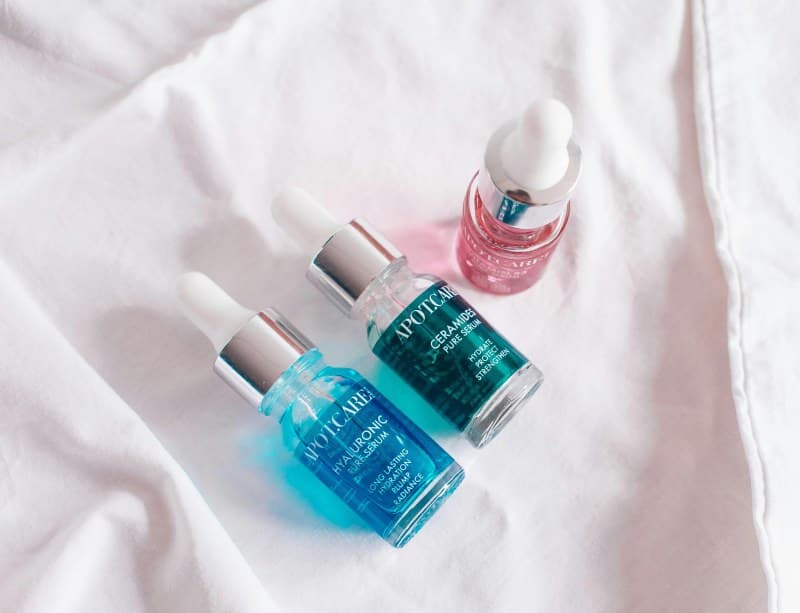
Last month, my friend Mia stood in the skincare aisle, staring at three hyaluronic acid (HA) serums. She’d heard it’s a “magic” ingredient but couldn’t figure out why one was $10 and another $50, or if it would work for her oily skin. Sound familiar? HA is everywhere, but most of us don’t know the real deal behind the hype.
What Is Hyaluronic Acid, Anyway?
HA is a naturally occurring molecule in your body—it’s found in your skin, joints, and eyes. Its superpower? It can hold up to 1,000 times its weight in water. That’s why it’s a go-to for plump, hydrated skin. But here’s the catch: your body’s HA production slows down as you age, so adding it topically helps replenish what you lose.
5 Common Hyaluronic Acid Myths Debunked
- Myth 1: HA is only for dry skin. Nope! Oily skin needs hydration too—HA balances oil production by keeping skin from overcompensating with excess sebum.
- Myth 2: Expensive HA is better. Not necessarily. The effectiveness depends on molecular weight, not price. A $15 serum with the right weight can work as well as a luxury one.
- Myth 3: HA dries out skin if you don’t use water. Half true—HA draws moisture to your skin, so if you apply it on dry skin, it might pull moisture from deeper layers. Always apply on damp skin or with a toner!
- Myth 4: You can’t mix HA with other ingredients. HA plays well with most—vitamin C, retinol, and niacinamide all pair nicely. Just patch-test new combinations.
- Myth 5: HA is sticky. Modern formulas are lightweight and absorb quickly. If yours feels sticky, you might be using too much (a pea-sized amount is enough).
Types of Hyaluronic Acid: Molecular Weight Matters
Not all HA is the same—its molecular weight affects how it works on your skin. Here’s a quick breakdown:
| Molecular Weight Type | Size | Benefit | Best For |
|---|---|---|---|
| Low | Small (under 100 kDa) | Penetrates deep into skin layers to boost hydration from within | Dry, mature skin |
| Medium | Medium (100–500 kDa) | Hydrates upper layers and improves texture | Normal, combination skin |
| High | Large (over 500 kDa) | Forms a protective layer to lock in moisture | Oily, sensitive skin (or as a final step) |
Routine Tips for Every Skin Type
Dry Skin
Layer a low-molecular-weight HA serum under a thick moisturizer to lock in deep hydration. Try applying it right after washing your face while your skin is still damp.
Oily Skin
Use a high-molecular-weight HA serum (it won’t clog pores) followed by a lightweight, oil-free moisturizer. This keeps skin hydrated without adding greasiness.
Sensitive Skin
Stick to fragrance-free HA products with simple ingredients. Apply a medium-molecular-weight serum to avoid irritation.
Q&A: Your HA Questions Answered
Q: Can I use HA every day?
A: Yes! HA is gentle enough for daily use—morning and night. Just remember to apply it on damp skin.
Q: Does HA help with fine lines?
A: Yes! By plumping skin, HA reduces the appearance of fine lines caused by dehydration. It’s not a permanent fix, but it’s a great temporary boost.
“The best foundation you can wear is healthy, glowing skin.” — Coco Chanel
This rings true because HA’s main job is to keep your skin plump and hydrated—the foundation of that healthy glow. Whether you’re Mia trying to pick a serum or a skincare newbie, understanding HA helps you make smarter choices for your skin.