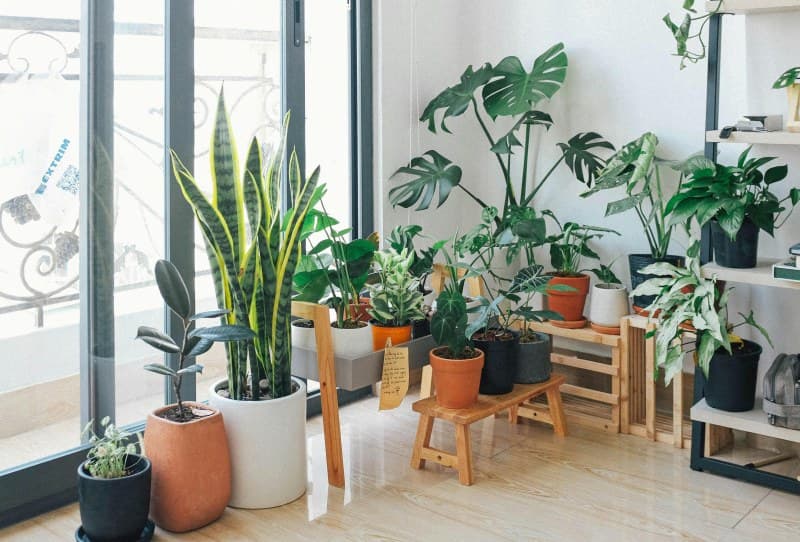
Last month, my friend Lisa proudly told me she’d finally nailed her houseplant routine—every Sunday, she’d grab her watering can and douse each pot, no exceptions. Two weeks later, her favorite succulent was yellowing at the base, and her pothos had droopy leaves that felt mushy to the touch. She was confused: ‘I followed the schedule perfectly!’ But that’s the problem—plants don’t care about our calendars.
The Truth About Fixed Watering Schedules
Fixed schedules sound convenient, but they ignore the variables that affect a plant’s thirst. A succulent in a small pot near a sunny window dries out way faster than a fern in a large pot in a dark corner. Even the same plant needs less water in winter (when growth slows) than in summer (when it’s actively growing). The key isn’t a schedule—it’s paying attention.
5 Common Watering Myths Debunked
- Myth 1: Water every X days. Truth: Soil moisture is the only reliable indicator. Stick your finger 1-2 inches into the soil—if it’s dry, water; if damp, wait.
- Myth 2: Overwatering is better than underwatering. Truth: Overwatering causes root rot (fungal growth that kills roots), which is way harder to fix than underwatering (most plants bounce back if you water them soon).
- Myth3: All plants need the same amount of water. Truth: Succulents need water once every 2-4 weeks; ferns need it 2-3 times a week. Do a quick check of your plant’s specific needs.
- Myth4: Wilting leaves mean the plant is thirsty. Truth: Wilting can be a sign of overwatering too! If the soil is wet and leaves are wilted, root rot is likely.
- Myth5: Tap water is bad for all plants. Truth: Most houseplants (like pothos, snake plants) tolerate tap water. Sensitive plants (orchids, air plants) might need filtered water, but it’s not a rule for everyone.
Overwatering vs Underwatering: Spot the Difference
Confused about whether your plant is thirsty or drowning? Here’s a quick comparison:
| Sign | Overwatering | Underwatering |
|---|---|---|
| Leaf condition | Mushy, yellow, or brown at the base | Dry, crispy, or curled at the edges |
| Soil texture | Always damp; may smell moldy | Hard, crumbly, and completely dry |
| Root appearance | Brown, slimy, and rotten | Light tan, firm, and healthy |
| Pot weight | Heavy (even days after watering) | Light (feels empty) |
A Word from the Wise
“The care of the earth is our most ancient and most worthy, and after all our most pleasing responsibility.” — Thomas Jefferson
Jefferson’s words apply to houseplants too. Caring for them isn’t about sticking to a routine—it’s about understanding their needs. Just like we don’t drink the same amount of water every day (more when we’re active, less when we’re resting), plants adjust their thirst based on their environment.
FAQ: How Do I Know When My Plant Needs Water?
Q: I’m still unsure—what’s the easiest way to check?
A: Try the “lift test.” Pick up your pot: dry soil is light, wet soil is heavy. For small plants, this works like a charm. For larger ones, use a moisture meter (they’re cheap and easy to use) or stick your finger into the soil as we mentioned earlier.
Final Tips to Keep Your Plants Happy
1. Drain excess water: Always empty the saucer under your pot after watering to prevent root rot. 2. Adjust for seasons: Water less in winter (plants grow slower) and more in summer (evaporation is higher). 3. Use the right pot: Pots with drainage holes are non-negotiable—they let excess water escape, so you don’t drown your plant.
Next time you reach for your watering can, skip the calendar. Check your plant’s soil, lift the pot, and listen to what it’s telling you. Your plants will thank you for it!