Last year, I wandered into a tiny matcha shop in Kyoto, Japan, with zero Japanese beyond “arigatou.” I pointed at the vibrant green powder behind the counter, smiled, and held up one finger. The owner, a soft-spoken woman in her 60s, nodded, then gestured for me to sit. She brought out a bowl of frothy matcha and a small red bean sweet—on the house. We sat in silence for a few minutes, watching the rain outside, then she pointed to a photo of her granddaughter on the wall. I smiled and showed her a picture of my dog on my phone. No words were needed; it was one of the most memorable moments of my trip.
Is Speaking the Local Language Really Necessary to Connect?
Many travelers believe fluency in the local language is the only way to have meaningful interactions with locals. But the truth is, connection isn’t just about words. It’s about curiosity, respect, and willingness to meet someone halfway. Basic phrases (like “hello” or “thank you”) are polite and appreciated, but you don’t need to hold a conversation to build a bond.
Two Key Myths Debunked
Myth 1: Body language doesn’t matter as much as words
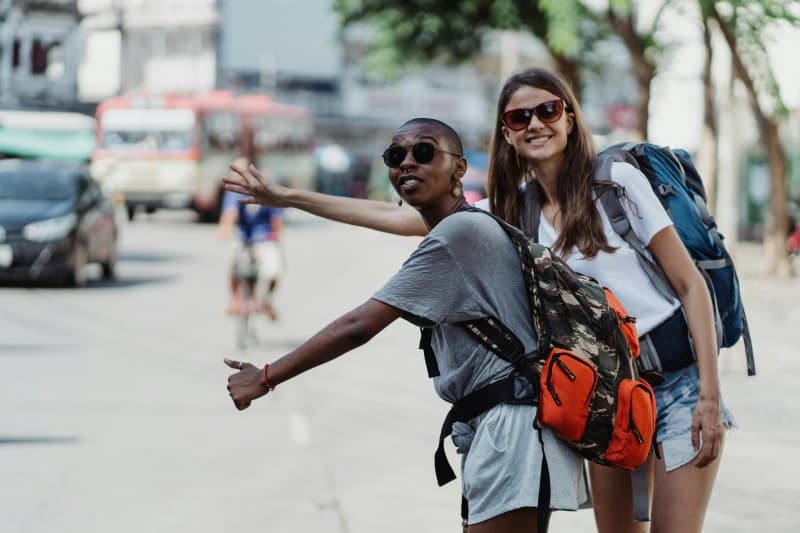
Body language is a universal language. A warm smile, a nod, or an open posture can convey friendliness even if you don’t share a tongue. For example, in Bali, I once asked a street vendor for directions by pointing at my map and tilting my head. He didn’t speak English, but he took my map, drew a big arrow, and gave me a thumbs up. His gestures were clear and kind—no words needed.
Myth 2: Tourists can’t have meaningful interactions without language
Meaningful interactions don’t require long conversations. When I volunteered at a rice farm in Vietnam, the farmers didn’t speak English, but we worked side by side. They showed me how to plant rice seedlings with hand signals, and I taught them a silly dance from my home country. By the end of the day, we were laughing and sharing snacks—all without saying a single sentence to each other.
To help you understand the differences between connecting with and without language, here’s a quick comparison:
| Aspect | With Basic Local Language | Without Local Language |
|---|---|---|
| Connection Depth | Can lead to short conversations (e.g., asking about their day) | Focuses on non-verbal bonds (e.g., shared activities) |
| Effort Required | Requires learning basic phrases (10-15 minutes of practice) | Requires using gestures, drawings, or translation apps |
| Local Reaction | Locals often appreciate the effort to speak their language | Locals may find it endearing and respond with patience |
“Actions speak louder than words.” — Abraham Lincoln
This classic quote sums up travel connections perfectly. A small act of kindness (like helping a vendor carry their goods) or a genuine smile can create a memory that lasts longer than any conversation. Locals notice when you’re trying to connect, even if you don’t have the right words.
Common Q&A
Q: What’s the easiest way to connect with locals if I don’t speak their language?
A: Try these simple tricks: Carry a small notebook to draw or write key words (like “food” or “direction”). Use a translation app for basic phrases (but don’t rely on it too much—gestures are more personal). Or ask about their work or hobbies with gestures (e.g., pointing at their craft and giving a thumbs up). Most locals will be happy to engage with you.
At the end of the day, travel is about human connection. You don’t need to be fluent in every language to make friends or have meaningful experiences. All you need is an open mind and a willingness to try. So next time you’re in a foreign country, don’t let the language barrier hold you back—smile, gesture, and see where the conversation (without words) takes you.