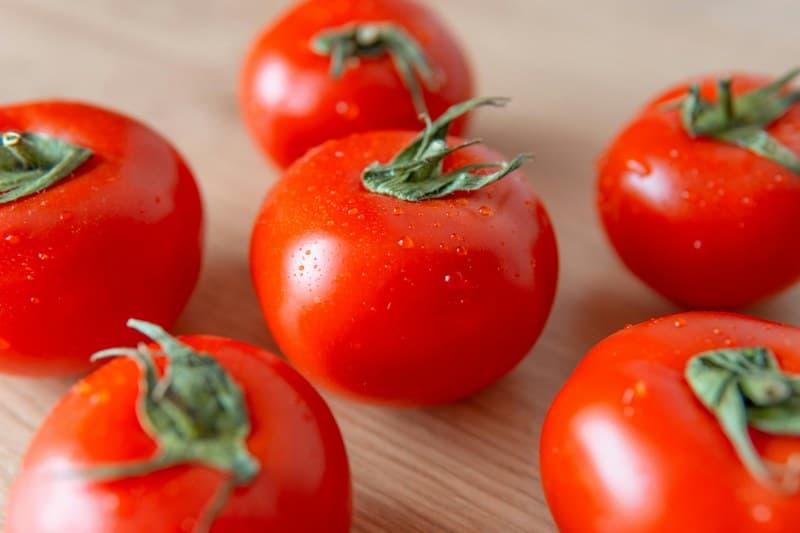
Last week, I picked up a pint of sun-warmed cherry tomatoes from the farmers’ market. They were bright red, slightly soft, and smelled like summer. I left them on the counter, thinking that’s what everyone says to do. By the next day, half were mushy and covered in tiny mold spots. My neighbor laughed and said, “You should’ve put them in the fridge!” But I’d always heard refrigeration ruins their flavor. So who was right?
The Big Myth: To Refrigerate or Not?
The answer isn’t black and white. The key is ripeness. Unripe tomatoes (green or pale pink) need warmth to turn red and develop flavor. But once they’re fully ripe—bright red, slightly yielding to pressure—refrigeration can slow decay without major flavor loss. The cold does break down some enzymes that give tomatoes their sweetness, but if you take them out an hour before eating, they’ll regain most of their taste.
Tomato Storage Cheat Sheet: A Quick Comparison
Here’s how to store tomatoes based on their ripeness:
| Tomato State | Best Storage Method | Pros | Cons |
|---|---|---|---|
| Unripe (green) | Warm, dark place (e.g., pantry shelf) | Speeds up ripening; retains flavor | Takes 2-3 days; risk of overripening if left too long |
| Partially Ripe (pink) | Countertop (away from direct sun) | Finishes ripening evenly; easy to grab | Needs daily check to avoid mold |
| Fully Ripe (red) | Refrigerator (35-40°F) | Keeps fresh for 5-7 days; slows decay | Minor flavor loss (fixed by warming up) |
| Overripe (soft, wrinkly) | Freezer or immediate use in cooking | Prevents waste; perfect for sauces/soups | Loses texture (not good for eating raw) |
4 Common Tomato Storage Myths Debunked
Myth 1: Refrigerating tomatoes makes them tasteless
Truth: Only if you leave them in the fridge for weeks. For fully ripe tomatoes, 5-7 days in the fridge won’t destroy their flavor. Just let them sit at room temperature for 30-60 minutes before eating to bring back their sweetness.
Myth 2: You should store tomatoes in a plastic bag
Truth: Plastic traps moisture, which leads to mold. Instead, keep tomatoes in a paper bag (for unripe ones) or a breathable container (like a mesh bag) for ripe ones. This allows air circulation and prevents decay.
Myth 3: All tomatoes need sunlight to ripen
Truth: Sunlight can cause uneven ripening and make the skin tough. Unripe tomatoes ripen best in a warm, dark place (like a pantry) where they can develop flavor evenly.
Myth 4: Overripe tomatoes are useless
Truth: Overripe tomatoes are gold for cooking! Their sweetness intensifies when cooked. Use them in pasta sauces, soups, or even homemade ketchup. You can also freeze them (no need to peel—just thaw and the skin slips off) for later use.
“The best way to enjoy food is to respect its nature.” — Julia Child
Julia Child’s words ring true here. Tomatoes have their own rhythm, and storing them right means honoring their ripeness stage. Don’t be afraid to experiment—your taste buds will thank you.
FAQ: Your Tomato Questions Answered
Q: Can I freeze tomatoes for long-term storage?
A: Yes! Wash and dry your tomatoes, then place them in a freezer-safe bag. You don’t need to peel or chop them. When you’re ready to use, thaw them in the fridge—their skin will easily peel off, and they’re perfect for sauces, stews, or chili.
Practical Tips to Keep Tomatoes Fresh
- 💡 Never store tomatoes near bananas or apples—these fruits release ethylene gas, which speeds up ripening (great for unripe tomatoes, bad for ripe ones).
- 💡 For unripe tomatoes, add a banana to the paper bag to speed up ripening.
- 💡 If you have a mix of ripe and unripe tomatoes, separate them to prevent the ripe ones from overripening the others.
Next time you bring home a batch of tomatoes, remember: ripeness is key. With these tips, you’ll enjoy fresh, flavorful tomatoes for days (or even weeks) longer.