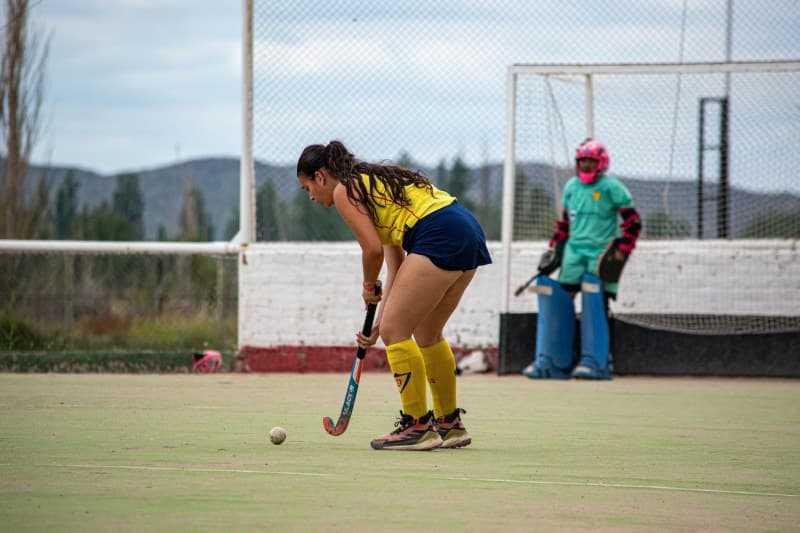
Mia plays recreational soccer every Saturday. For months, she’d finish a game, grab a snack, and crash on the couch—only to wake up Sunday with stiff legs that made climbing stairs a chore. Then a teammate suggested trying active recovery: a 20-minute walk after games. Within a week, her soreness was gone. Mia learned what many athletes overlook: recovery isn’t just resting—it’s a strategic part of staying in the game.
What Is Sports Recovery, Anyway?
Sports recovery is the process of letting your body repair and rebuild after physical activity. When you exercise, you create tiny tears in your muscle fibers. Recovery helps those fibers heal stronger, reduces fatigue, and prevents injury. It’s not just for pro athletes—casual gym-goers, runners, and weekend warriors need it too.
2 Key Recovery Methods: Active vs. Passive
There are two main ways to recover: active and passive. Let’s break down the differences:
| Method | What It Is | Best For | Example |
|---|---|---|---|
| Active Recovery | Low-intensity movement that boosts blood flow without straining muscles. | Post-workout soreness, improving flexibility. | Brisk walking, yoga, swimming laps at a slow pace. |
| Passive Recovery | Complete rest or low-effort activities that let your body heal. | After intense workouts, muscle fatigue, or injury. | Sleeping 7-9 hours, taking a warm bath, or stretching gently. |
Debunking Common Recovery Myths
Let’s set the record straight on two persistent myths:
Myth 1: Rest means doing nothing
Many people think recovery is just lying on the couch. But active recovery (like a short walk) can help flush out lactic acid and reduce soreness faster than doing nothing. Mia’s story is proof!
Myth 2: Ice is the only way to treat soreness
While ice can reduce inflammation, heat (like a warm shower) is better for tight muscles. It relaxes tissues and improves blood flow. For example, if your shoulders are stiff after a workout, a warm compress can help more than ice.
“Recovery is the foundation of performance.” — Greg Glassman, CrossFit Founder
This quote hits home because without recovery, you can’t get stronger or faster. Even the best workouts won’t help if you don’t give your body time to heal.
Quick FAQ: Your Recovery Questions Answered
Q: How long should I recover between intense workouts?
A: It depends on the activity. For strength training, give each muscle group 48 hours to recover. For cardio like running, you can do light sessions every day, but intense runs need 1-2 days of rest.
Final Tips to Level Up Your Recovery
- Drink enough water: Dehydration slows recovery. Aim for 8-10 cups a day.
- Eat protein: Protein helps repair muscle fibers. Try a protein shake or chicken breast after workouts.
- Get enough sleep: Sleep is when your body does most of its repair work. Don’t skimp on those 7-9 hours!