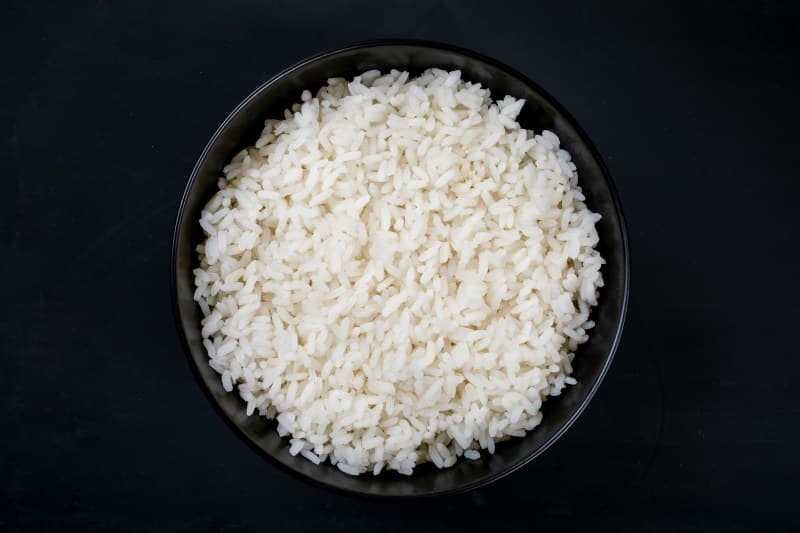
Last week, my roommate spent 10 minutes rinsing white rice until the water ran clear, only to end up with a clumpy, sticky mess. She was confused—everything she’d heard said rinsing was the key to fluffy grains. That got us talking about all the rice myths we’ve picked up over the years, so let’s dive in and separate fact from fiction.
Is Rinsing Rice Really Non-Negotiable? The Truth
Many home cooks swear by rinsing rice to remove excess starch and prevent stickiness. But is it always necessary? The answer depends on the type of rice. For white rice, rinsing can help reduce starch, leading to fluffier, separate grains. However, brown rice and wild rice have their nutrients (like B vitamins and fiber) in the outer bran layer—rinsing too much can wash those valuable nutrients away. So, skip rinsing whole grains unless they’re dusty or have debris.
7 Common Rice Myths Debunked
Let’s break down the most persistent myths about rice cooking and set the record straight. Here’s a quick comparison of what people believe vs. what’s actually true:
| Myth | Fact |
|---|---|
| You must rinse all rice before cooking. | Only white rice benefits from rinsing; whole grains lose nutrients if rinsed. |
| Adding oil to rice water prevents stickiness. | Oil coats grains, making them less fluffy—use a non-stick pot or proper water ratio instead. |
| Stirring rice while cooking makes it fluffy. | Stirring breaks grains and releases starch, leading to stickiness—let it simmer undisturbed. |
| Brown rice takes twice as long to cook as white. | Brown rice takes ~45 minutes vs. white’s 18-20 minutes—hardly double. |
| You can’t cook rice without a rice cooker. | A pot with a tight lid works just as well—follow 1:1.5 water ratio for white rice. |
| Reheating rice is unsafe. | Reheat to 165°F (74°C) to kill bacteria—store in the fridge within 2 hours of cooking. |
| Wild rice is a type of rice. | Wild rice is a grass seed, not true rice—but it cooks similarly and pairs well with other grains. |
A Story of Sticky Rice Redemption
My friend Lila used to struggle with sticky white rice every time. She rinsed it three times, added a splash of oil, and stirred constantly while it cooked—yet her rice always clumped into a ball. One day, a chef friend told her to stop stirring, use a 1:1.5 water ratio (instead of the 1:2 she’d been using), and let the rice rest for 10 minutes after turning off the heat. She tried it: no stirring, tight lid, and a short rest. The result? Fluffy, separate grains that didn’t stick together. She now swears by this method and even teaches it to her friends.
“The only real stumbling block is fear of failure. In cooking, you’ve got to have a what-the-hell attitude.” — Julia Child
This quote rings true for rice cooking. Don’t be afraid to experiment with ratios or skip rinsing whole grains—you might find a method that works better for your taste and lifestyle.
FAQ: Your Rice Questions Answered
Q: Can I use leftover rice to make fried rice?
A: Yes! Leftover rice is ideal for fried rice because it’s drier, so it doesn’t get mushy. Just make sure to refrigerate it within 2 hours of cooking to avoid bacteria growth, and break up any clumps before stir-frying.
Q: How do I fix overcooked rice?
A: If rice is too mushy, spread it on a baking sheet and bake at 350°F (175°C) for 5-10 minutes to dry it out. For slightly overcooked rice, fluff with a fork and let it rest for a few minutes to absorb excess moisture.
Practical Tips for Perfect Rice Every Time
- For white rice: Rinse until water runs clear, use 1:1.5 water ratio, simmer 18 minutes, rest 10 minutes.
- For brown rice: Don’t rinse, use 1:2.5 ratio, simmer 45 minutes, rest 10 minutes.
- For wild rice: Use 1:3 ratio, simmer 40-50 minutes, drain excess water.
Rice is a staple in many cultures, and mastering it doesn’t have to be complicated. By debunking these myths and following simple tips, you can make perfect rice every time—whether you’re using a pot, a rice cooker, or even a microwave. So next time you cook rice, don’t be afraid to try something new—you might just surprise yourself.