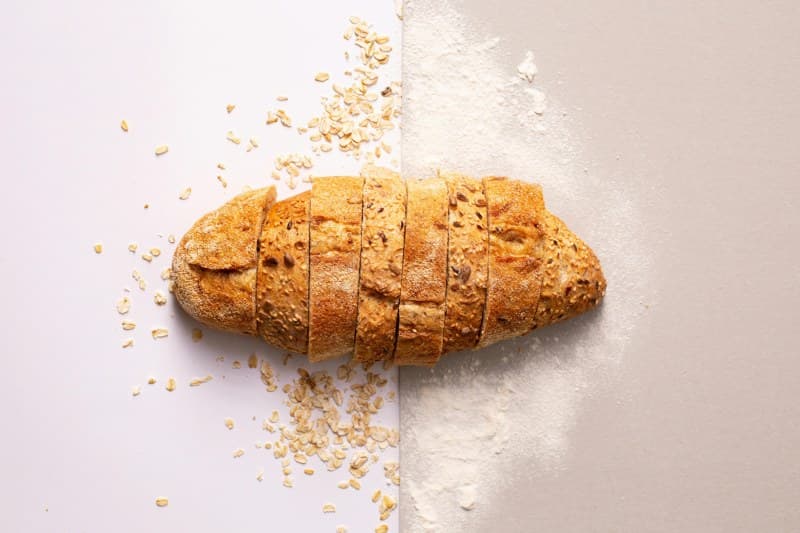
We’ve all heard it: "Stick your bread in the fridge to keep it fresh longer." But last week, I left my favorite sourdough loaf on the counter for three days and it was still soft, while my roommate’s white bread in the fridge turned rock-hard by day two. What gives?
Why that "refrigerate bread" advice might be wrong
Bread stales when the starch molecules in it recrystallize. Cold temperatures (like in the fridge) speed up this process—so your bread gets stale faster, not slower. The exception? Bread with high moisture or preservatives (like some store-bought sliced bread) might last a bit longer, but even then, the texture suffers.
3 common bread storage myths debunked
Let’s bust the most persistent myths about keeping bread fresh:
- Myth 1: Refrigeration is the best way to prevent mold. Truth: Mold grows in warm, humid environments. If your kitchen is hot, a sealed bag on the counter might mold quickly—but the fridge isn’t the fix. A bread box (ventilated) balances humidity and temperature better.
- Myth 2: Freezing bread ruins its texture. Truth: Freezing stops staling entirely. Wrap bread tightly in plastic wrap and aluminum foil, then thaw at room temp or toast directly from frozen. It tastes almost as fresh as the day you bought it!
- Myth3: All breads need the same storage. Truth: Sourdough and artisanal loaves do best in a bread box or paper bag. Sliced white bread? A sealed plastic bag on the counter (or frozen if you won’t eat it in 2 days).
Storage method comparison table
Here’s how different storage methods stack up for common bread types:
| Bread Type | Counter (sealed bag) | Fridge | Bread Box | Freezer |
|---|---|---|---|---|
| White sliced | 2-3 days (soft, risk of mold) | 3-4 days (stale fast) | 1-2 days (okay) | Up to 3 months (great) |
| Sourdough | 3-4 days (soft, crust stays crisp) | 2-3 days (stale) | 4-5 days (best) | Up to 3 months (excellent) |
| Whole grain | 2-3 days (risk of mold) | 3-4 days (stale) | 3-4 days (good) | Up to 2 months (great) |
A classic take on bread
"Bread is the staff of life." – Proverb
This old saying reminds us how central bread is to our daily lives. Taking care of it properly ensures we get the most out of every loaf—whether it’s a crusty sourdough for breakfast or a soft white for sandwiches.
Real-life example: The sourdough mistake
My friend Sarah used to refrigerate her homemade sourdough because she thought it would last longer. She’d complain that it was always stale by the third day. I told her to try a bread box. A week later, she texted me: her loaf stayed soft and crusty for five days! She even started baking extra to freeze, since she found thawed slices tasted just as good.
FAQ: Your bread storage questions answered
Q: What if I live in a very humid climate?
A: Use a bread box with good ventilation, or wrap your bread in a paper bag first, then a plastic bag (to keep humidity out but allow some air flow). Freezing is also a great option if mold is a constant issue.
Q: Can I store bread in the pantry?
A: If your pantry is cool and dry, yes—especially for breads with preservatives. But avoid pantries near stoves or dishwashers, as heat and humidity will speed up staling or mold growth.
Final tips to keep bread fresh
- For crusty breads: Use a paper bag or bread box to keep the crust crisp and the inside soft.
- For sliced bread: Seal in a plastic bag (but don’t over-seal—leave a tiny gap for air if you’re not freezing).
- Freeze in portions: Slice bread before freezing so you can take out exactly what you need.
Next time you reach for the fridge to store your bread, think twice. The counter or a bread box might be the better choice—keeping your loaf fresh and delicious for longer.