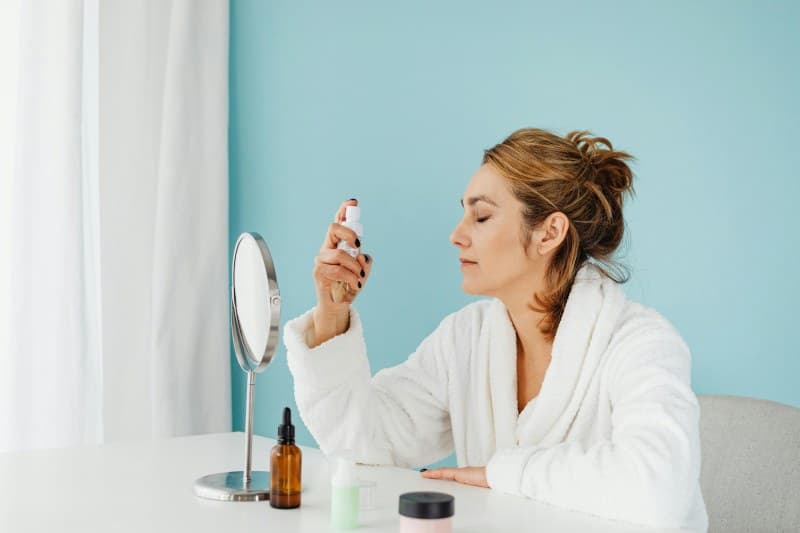
Last week, my friend Lila texted me a photo of her new serum bottle, full of jargon like “10% niacinamide” and “hyaluronic acid complex.” She asked, “Do I even need this? And what does it do?” If you’ve ever stared at a skincare label feeling lost, you’re not alone. Skincare ingredients don’t have to be a mystery—let’s break down 7 of the most common ones, so you can make choices that fit your skin’s needs.
Why Skincare Ingredients Matter
Packaging and brand names are nice, but the real magic of any skincare product lies in its ingredients. Each ingredient has a specific job: some hydrate, some exfoliate, some soothe. Knowing what they do helps you skip the guesswork and pick products that target your unique skin concerns—whether that’s dryness, acne, or dullness.
7 Key Skincare Ingredients: What They Do & Who They’re For
Here’s a quick breakdown of 7 ingredients you’ll see on labels, plus tips to use them effectively:
| Ingredient | Primary Benefit | Ideal Skin Type | Pro Tip |
|---|---|---|---|
| Hyaluronic Acid | Hydrates & plumps skin (holds 1000x its weight in water) | All (dry/dehydrated skin especially) | Layer under moisturizer to lock in moisture |
| Niacinamide | Reduces redness, minimizes pores, balances sebum | Oily/acne-prone, sensitive | Mix with hyaluronic acid for calm, balanced skin |
| Vitamin C | Brightens dark spots, boosts collagen, protects from free radicals | Dull, uneven skin tone | Use in the morning (follow with SPF!) |
| Retinol | Smooths texture, reduces fine lines, unclogs pores | Anti-aging, uneven texture | Start with 0.25% concentration 2x/week to avoid irritation |
| Salicylic Acid | Unclogs pores, fights acne, reduces inflammation | Oily/acne-prone | Use as a toner or spot treatment for breakouts |
| Glycolic Acid | Exfoliates dead skin cells, improves texture | Dull, rough skin | Avoid mixing with retinol (unless guided by a professional) |
| Centella Asiatica | Soothes irritation, heals damaged skin | Sensitive, post-exfoliation, post-sun | Look for it in calming serums or moisturizers |
Myths About These Ingredients (Busted!)
Let’s clear up some common misconceptions:
- Myth: Hyaluronic acid dries out oily skin. Truth: It’s lightweight and helps balance sebum production—perfect for oily skin too!
- Myth: Retinol is only for anti-aging. Truth: It also helps with acne and uneven texture, making it great for younger skin.
- Myth: Vitamin C makes your skin sun-sensitive. Truth: It actually protects against free radicals, but you still need SPF (since any brightening ingredient can make skin more sun-reactive).
A Note on Consistency
“Skincare is not about perfection—it’s about progress and consistency.” — Unknown
This mantra sums up what’s most important. You don’t need a 10-step routine; you just need to use the right ingredients consistently. For example, Lila started using niacinamide 2x/week, and after a month, her redness and pore size improved. Small, steady changes work better than overloading your skin.
FAQ: Can I Mix These Ingredients?
Q: Is it safe to mix vitamin C and retinol?
A: It’s generally not recommended to use them at the same time, as both are active and can cause irritation. Instead, use vitamin C in the morning (with SPF) and retinol at night. If you want to try mixing, start with low concentrations and patch-test on a small area first.
At the end of the day, skincare is personal. What works for Lila (oily skin) might not work for you (dry skin). The key is to read labels, start small, and listen to your skin. Whether you’re adding hyaluronic acid for hydration or centella for calmness, every choice is a step toward a routine that feels like you.