Last year, I wandered into a tiny matcha shop in Kyoto with zero Japanese. I pointed at a jar of powdered matcha, mimicked stirring a cup, and smiled. The shopkeeper laughed, nodded, and handed me a small bowl of freshly whisked matcha—plus a free mochi. No words exchanged, but a connection made. That day, I realized the biggest travel myth I’d bought into was wrong: you don’t need to speak the local language to have an authentic experience.
The Truth About Language and Travel
Traveling without fluency isn’t about being lost—it’s about being open. Locals often appreciate the effort to communicate, even if it’s through gestures or broken phrases. It’s the intent that counts, not perfect grammar.
5 Myths Debunked (And Their Realities)
Let’s break down the most common myths about language and travel:
| Myth | Reality | Quick Example |
|---|---|---|
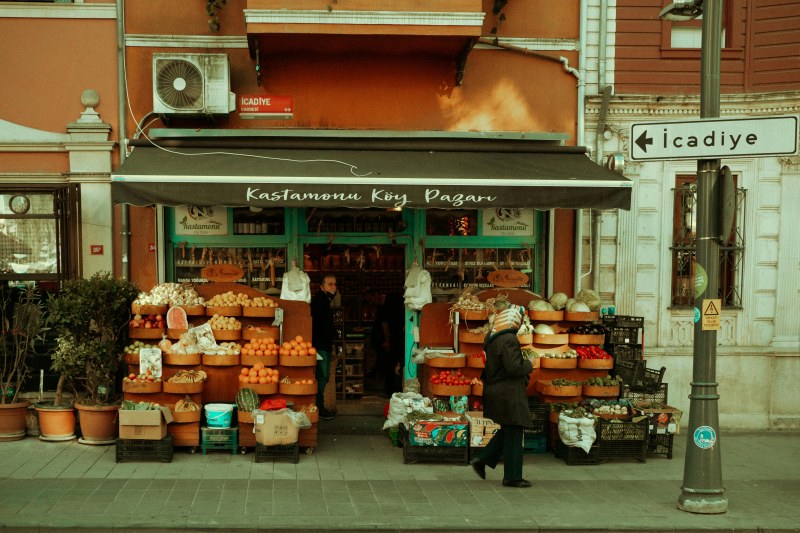
| You can’t order food without language. | Pictures, menus with photos, and pointing work wonders. | In Thailand, I ordered pad thai by pointing at a neighboring table’s dish. |
| Locals will be annoyed if you don’t speak their language. | Most locals are happy to help and find your attempts charming. | In Mexico, a street vendor taught me to say “gracias” properly after I messed it up. |
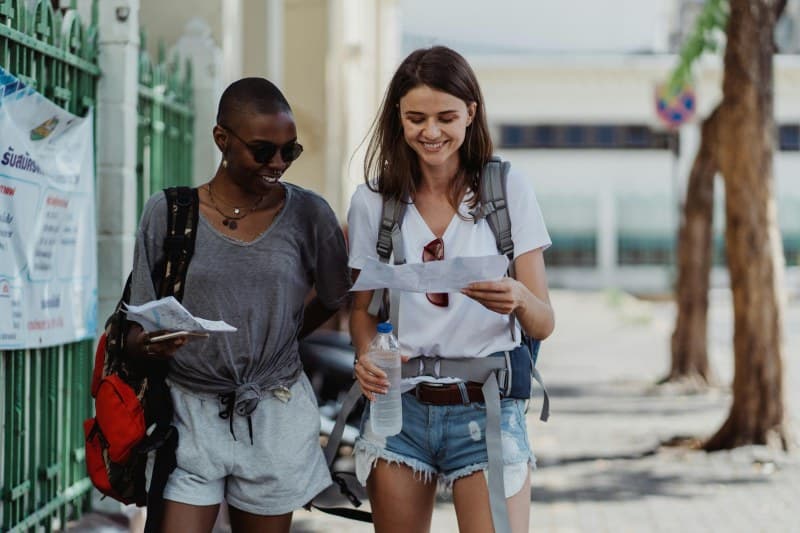
| You can’t make friends without talking. | Shared activities (like cooking classes or hiking) bridge language gaps. | I bonded with a group of Italian hikers by sharing snacks and using hand signals. |
| Translation apps are useless. | Offline apps (like Google Translate) are lifesavers for basic conversations. | I used an app to ask a Parisian for directions to the Eiffel Tower. |
| You need full phrases to communicate. | Key words (hello, thank you, sorry) go a long way in showing respect. | In India, saying “namaste” and “dhanyavaad” (thank you) made locals smile. |
Classic Wisdom on Language and Connection
“Language is the road map of a culture. It tells you where its people come from and where they are going.” — Rita Mae Brown
This quote reminds us that language is a window into culture, but you don’t need to climb through the whole window to peek inside. Even small efforts to use local words or gestures show you care about understanding their world.
Q&A: Your Burning Questions Answered
Q: What’s the most useful tool for traveling without language?
A: A combination of a smile and a small notebook. Smiling is universal, and drawing or writing numbers in a notebook helps with transactions (like asking for a specific amount of food) or directions.
Practical Tips for Language-Free Travel
- 💡 Learn 3 key phrases: Hello, thank you, and sorry. These are easy to remember and show respect.
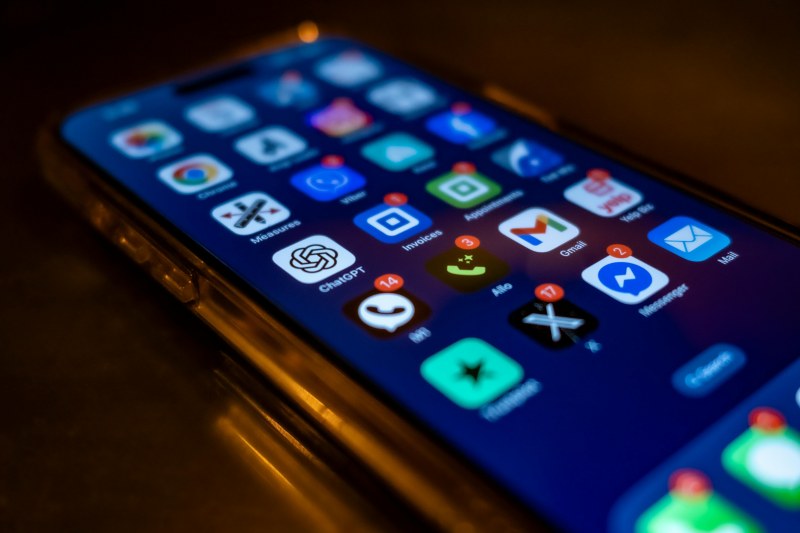
- 📱 Download offline translation apps: Google Translate and iTranslate work without Wi-Fi, so you can use them anywhere.
- 📝 Carry a small notebook: Draw pictures or write numbers to communicate needs.
- 🤝 Join group activities: Cooking classes, tours, or hikes are great ways to connect with locals and other travelers without much talking.
Traveling without language isn’t a barrier—it’s an opportunity to be creative, curious, and present. Next time you plan a trip to a place where you don’t speak the language, don’t let that stop you. You might be surprised at how much you can connect with just a smile and an open mind.