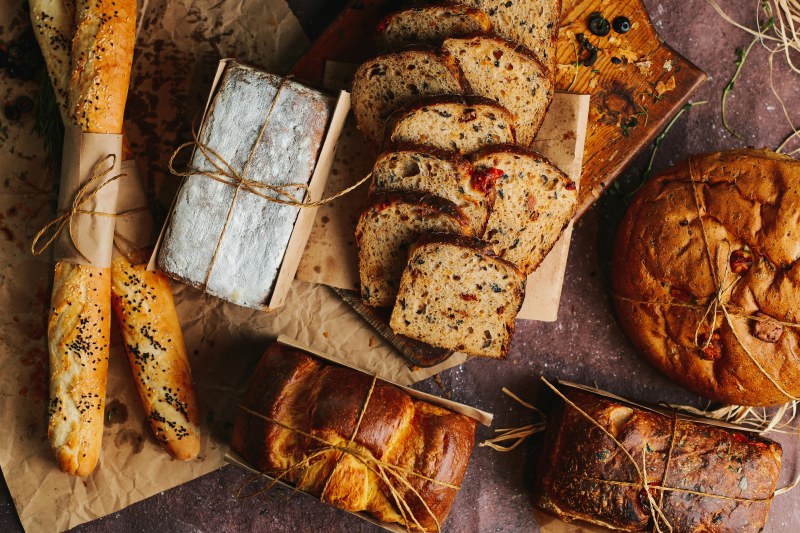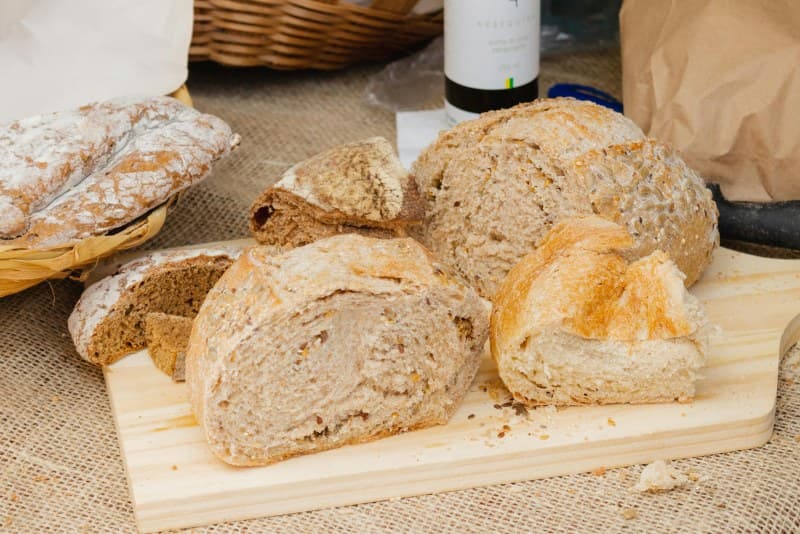
Last week, I left a crusty sourdough loaf on the kitchen counter overnight. My roommate spotted it and tossed it in the fridge, saying, “It’ll mold if you don’t!” But when I pulled it out the next day, it was as hard as a brick. I started wondering—do we really need to refrigerate bread to keep it fresh? Turns out, there’s a ton of misinformation floating around about how to store this staple.
The Truth About Refrigerating Bread
Let’s get straight to the big question: Should you refrigerate bread? The short answer is no—unless you live in a super hot, humid area and need to slow mold growth. Here’s why: Cold temperatures (like in your fridge) speed up starch recrystallization, which makes bread go stale faster. So while refrigeration might delay mold, it’ll turn your soft loaf into a crumbly mess way sooner than leaving it on the counter.
Bread Storage Methods: A Quick Comparison
Not sure which storage method to use? Here’s a breakdown of common options:
| Method | Pros | Cons | Best For |
|---|---|---|---|
| Counter (paper bag) | Preserves crust crunch, keeps soft inside | Mold risk in humid areas (2-3 days max) | Crusty loaves (sourdough, baguette) |
| Refrigerator | Slows mold growth | Speeds staling, dry texture | Hot/humid climates (use only if mold is a constant issue) |
| Freezer | Keeps bread fresh for 3-6 months | Requires thawing (slice first for easy use) | Long-term storage (extra loaves, holiday breads) |
| Bread box | Regulates humidity, keeps bread fresh 5-7 days | Takes up counter space | Soft loaves (white, whole wheat) |
| Plastic bag (sealed) | Traps moisture, keeps soft | Promotes mold (avoid in humid areas) | Soft sandwich bread (short-term use) |
5 Common Bread Storage Myths Debunked
Myth 1: Refrigeration is the best way to keep bread fresh
As we already covered, refrigeration stales bread faster. The only time it makes sense is if you’re in a place where mold grows in 24 hours—even then, you’ll need to toast the bread to revive it.
Myth 2: Bread boxes are just decorative
Wrong! Bread boxes are designed to balance humidity and air flow, which keeps bread fresh longer than a countertop or plastic bag. I use a wooden bread box for my whole wheat loaf, and it stays soft for 5 days—way better than leaving it out.
Myth 3: Plastic bags are perfect for all bread
Plastic bags trap moisture, which is great for soft sandwich bread but terrible for crusty loaves. My friend once stored a baguette in a plastic bag, and it turned soggy and moldy in 2 days. For crusty bread, stick to paper bags or a bread box.
Myth 4: Freezing ruins bread texture
Freezing bread is actually one of the best ways to preserve it—if you do it right. Slice the loaf before freezing, then pop a slice in the toaster when you need it. I freeze sourdough slices for busy mornings, and they taste just as fresh as the day I bought them.
Myth 5: All breads need the same storage
Crusty loaves (like sourdough or baguette) need air flow to keep their crunch. Soft loaves (white, whole wheat) need to retain moisture. Sourdough, with its natural acidity, lasts longer than white bread—so adjust your storage based on the type.
“Bread is the staff of life.” — Proverb
This age-old saying reminds us how essential bread is. Wasting it because of bad storage is a shame, so taking a few extra steps to store it right goes a long way.
Quick Q&A: Common Bread Storage Questions
Q: Can I revive stale bread?
A: Yes! Sprinkle the loaf with a little water, wrap it in foil, and warm it in the oven at 350°F (175°C) for 5-10 minutes. The moisture will rehydrate the starch, making it soft again.
Q: How long can I keep bread on the counter?
A: It depends: White bread lasts 2-3 days, sourdough 5-7 days, and baguettes only 1 day. If you don’t think you’ll finish it in time, freeze it!
Practical Tips to Keep Bread Fresh
- Slice bread before freezing to grab single servings easily.
- Use a paper bag for crusty loaves to maintain crunch.
- Keep soft loaves in a bread box or sealed plastic bag (but check for mold regularly).
- Avoid storing bread near heat sources (like the stove) or direct sunlight—this speeds up staling.
Next time you bring home a fresh loaf, skip the fridge (unless you have to) and try one of these storage methods. Your bread (and your taste buds) will thank you!