Let’s start with a story: My friend Lila recently got obsessed with exfoliation. She read online that daily scrubbing would give her that ‘glass skin’ glow, so she started using a physical scrub twice a day. A week later, her face was red, flaky, and stinging. She thought she was doing something right—until her dermatologist told her she’d damaged her skin barrier. Sound familiar?
The Truth About Daily Exfoliation
Exfoliation is great for sloughing off dead skin cells, unclogging pores, and boosting radiance. But here’s the thing: Most people don’t need to do it every day. Your skin naturally renews itself every 28 days (longer as you age). Over-exfoliating disrupts this process, stripping away the protective barrier that keeps moisture in and irritants out. For most skin types, 1–3 times a week is enough.
4 Common Exfoliation Myths Debunked
Myth 1: More Exfoliation = More Glow
False. Glow comes from healthy skin, not stripped skin. Over-exfoliating can cause inflammation, breakouts, and even hyperpigmentation. Lila’s story is a perfect example—she thought more was better, but it backfired.
Myth 2: Physical Exfoliants Are Better for Deep Cleaning
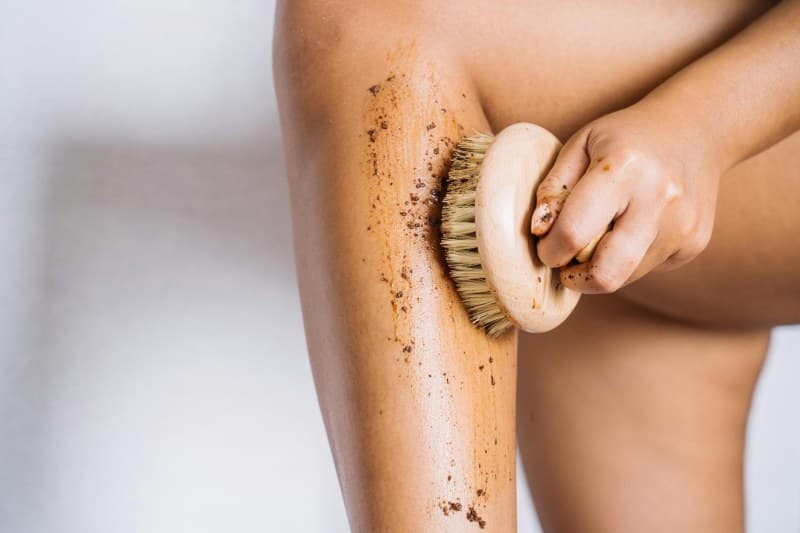
Not necessarily. Physical exfoliants (like sugar scrubs or brushes) work by scrubbing away dead skin, but they can be harsh if used too hard. Chemical exfoliants (AHAs like glycolic acid, BHAs like salicylic acid) dissolve dead skin cells without scrubbing, making them gentler for most skin types—especially sensitive or acne-prone skin.
Myth 3: Exfoliating at Night Is Useless
False. Nighttime is when your skin repairs itself. Exfoliating at night removes dead skin cells, allowing your moisturizer and serums to penetrate better. Just make sure to follow up with a hydrating moisturizer and sunscreen the next day (since exfoliated skin is more sun-sensitive).
Myth 4: All Exfoliants Work the Same
Absolutely not. Different exfoliants target different issues. For example, BHAs are great for oily, acne-prone skin (they penetrate pores), while AHAs are ideal for dry or dull skin (they brighten the surface). Physical exfoliants are best for those who prefer a tactile feel—but use them gently!
Chemical vs. Physical Exfoliants: A Quick Comparison
Not sure which type to choose? Here’s a breakdown:
| Type | Active Ingredients | Best For | Pros | Cons |
|---|---|---|---|---|
| Chemical | AHAs (glycolic, lactic), BHAs (salicylic) | Dry, dull, acne-prone, sensitive skin | Gentle, penetrates deeply, no scrubbing needed | May cause mild tingling; needs sun protection |
| Physical | Scrubs (sugar, coffee), brushes, sponges | Normal to oily skin (when used gently) | Immediate smoothness, tactile experience | Can cause micro-tears if overused; not ideal for sensitive skin |
Wisdom from the Ages
“Everything in moderation, nothing in excess.” — Confucius
This ancient saying applies perfectly to exfoliation. Too little, and you miss out on the benefits; too much, and you harm your skin. Finding that middle ground is key.
FAQ: Your Exfoliation Questions Answered
Q: I have sensitive skin—can I still exfoliate?
A: Yes! Opt for gentle chemical exfoliants like lactic acid (which is milder than glycolic acid) or a very fine physical scrub (like rice powder). Start once a week, patch test first, and stop if you feel irritation.
Final Tips for Healthy Exfoliation
- Listen to your skin: If it feels tight, red, or stinging, cut back on exfoliation.
- Patch test new products: Apply a small amount to your inner arm and wait 24 hours to check for reactions.
- Don’t mix too many exfoliants: Using AHAs, BHAs, and a physical scrub in the same routine is a recipe for irritation.
- Always wear sunscreen: Exfoliated skin is more vulnerable to sun damage—so slather on SPF 30+ every morning.
At the end of the day, exfoliation should be a tool to support your skin, not harm it. By ditching these myths and finding your balance, you’ll get that glow without the drama.