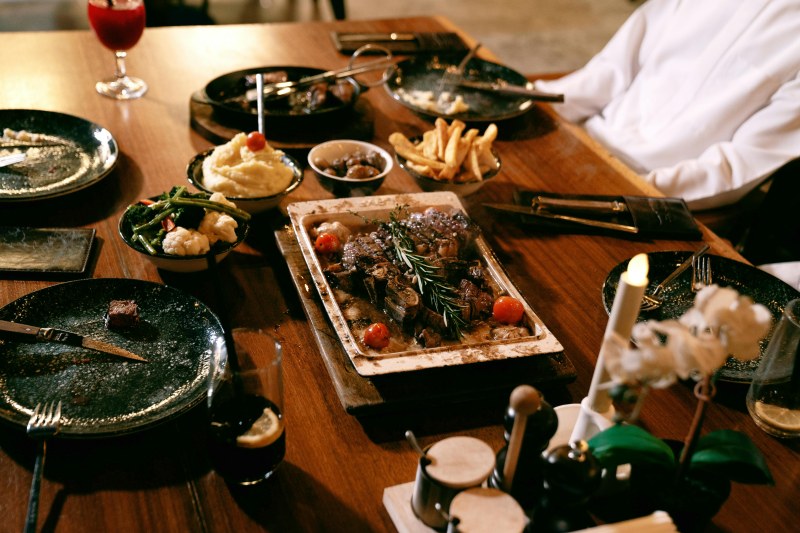
Last year in Tokyo, I got lost while trying to find a famous sushi spot. Wandering down a narrow alley near Shibuya, I stumbled on a tiny ramen shop with no English sign. Inside, locals sat shoulder-to-shoulder, slurping noodles. The owner, a smiling man in a stained apron, pointed to a picture menu. That bowl of tonkotsu ramen—rich, creamy, and full of flavor—was the best meal I had on the trip. It made me realize: hidden local eateries are the soul of travel.
7 Myths About Hidden Local Eateries (Debunked)
Many travelers skip hidden spots because of common misconceptions. Let’s set the record straight:
| Myth | Fact |
|---|---|
| Hidden eateries only cater to locals who speak the language. | Many use picture menus or have staff willing to help with gestures or translation apps. |
| Hidden spots are always expensive. | Most are budget-friendly, serving daily meals for local residents (think $5-$10 for a filling dish). |
| You need a local friend to find them. | Apps like Google Maps (filter for local reviews) or hotel concierges can point you to the best spots. |
| Hidden eateries are in dangerous areas. | Most are in safe, residential neighborhoods—just use common sense, like you would anywhere. |
| They don’t accommodate dietary restrictions. | Many will adjust dishes if you ask politely (use translation apps to explain needs clearly). |
| Only street food counts as hidden. | Tiny cafes, family-run bistros, and hole-in-the-wall sushi bars are often hidden gems. |
| Hidden means hard to find. | Some spots are just a block away from main tourist streets—look for places with no English signs or tourist crowds. |
Etiquette Tips to Respect Local Eateries
- 🍜 Slurp noodles (in Japan) to show appreciation—locals see it as a sign you’re enjoying the meal.
- 💡 Ask before taking photos—some small spots prefer privacy for their customers.
- 💰 Carry cash—many hidden eateries don’t take credit cards (especially in Asia and Europe).
- ⏰ Arrive early—most fill up fast and close by 9 PM (no late-night service like tourist spots).
Real Story: A Parisian Bistro That Feels Like Home
My friend Sarah told me about a bistro in Montmartre, just a 10-minute walk from Sacré-Cœur. It’s run by Pierre and Marie, a couple who’ve owned the spot for 20 years. No English menu, but Marie points to dishes and uses simple gestures to explain. I ordered coq au vin—slow-cooked chicken in red wine, with buttery mashed potatoes. It tasted like grandma’s cooking. When they heard I was traveling alone, they gave me a free glass of Bordeaux and chatted (with the help of Google Translate) about their kids. That meal wasn’t just food—it was a connection.
FAQ: Can I Find Hidden Eateries Without Speaking the Local Language?
Q: I don’t speak the local language—can I still enjoy hidden eateries?
A: Absolutely! Use apps like Google Maps (look for places with 4.5+ stars and reviews from locals, not just tourists). Many spots have picture menus, so you can point to what you want. Translation apps like Google Translate work well for dietary needs (e.g., “no gluten” or “vegetarian”). Hotel concierges are also a great resource—ask for “family-run places locals love.”
“Food is our common ground, a universal experience.” — James Beard
This quote sums up why hidden local eateries matter. They’re not just about eating—they’re about sharing a moment with the community. Next time you’re in a new city, skip the tourist traps. Turn down that busy main street, walk a few blocks, and look for the spot with no English sign. You might just find your new favorite meal.