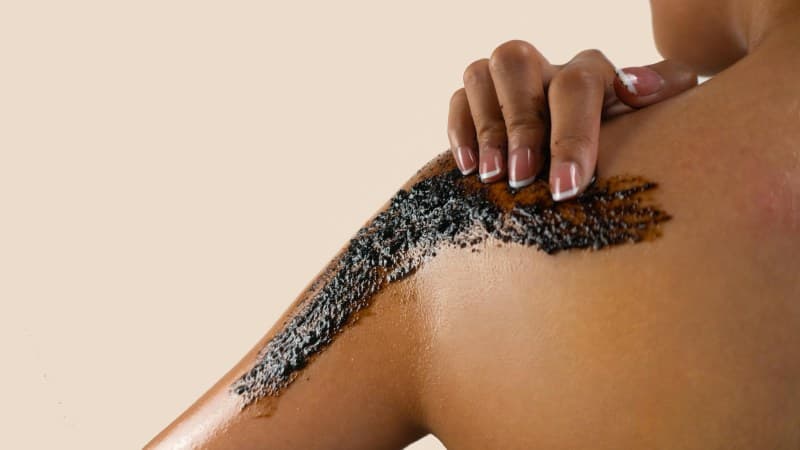
Last month, my friend Lila decided to step up her skincare game. She’d read that daily exfoliation was the secret to glass skin, so she started using a physical scrub every morning and a chemical peel every night. By week two, her face was red, tight, and covered in tiny breakouts. “I thought more was better,” she said, confused. Sound familiar? Exfoliation is one of the most misunderstood skincare steps—so let’s set the record straight.
The Truth About Daily Exfoliation
Daily exfoliation isn’t a one-size-fits-all rule. For oily, acne-prone skin, a gentle chemical exfoliant (like salicylic acid) once a day might help unclog pores. But for dry, sensitive skin, daily exfoliation can strip the skin’s natural barrier, leading to irritation. The key is to match your exfoliation frequency to your skin type and the product you’re using.
6 Exfoliation Myths Debunked
- Myth 1: More exfoliation = more glow. Over-exfoliating damages the skin’s barrier, leading to dullness, redness, and breakouts. Glow comes from healthy skin, not scrubbing it raw.
- Myth 2: Physical scrubs are better for deep cleaning. Harsh physical scrubs (like those with walnut shells) can cause micro-tears in the skin. Gentle chemical exfoliants (AHAs/BHAs) penetrate deeper without damaging the surface.
- Myth 3: Exfoliating at night is the only way. Morning exfoliation can help remove dead skin cells and prep the skin for sunscreen. Just avoid using harsh exfoliants in the morning if you’re going outside—they can make skin more sun-sensitive.
- Myth 4: All chemical exfoliants are harsh. Enzymatic exfoliants (from fruits like papaya) are gentle and work by breaking down dead skin cells without irritation. They’re perfect for sensitive skin.
- Myth 5: You don’t need to moisturize after exfoliating. Exfoliation removes the top layer of dead skin, so your skin is more prone to dryness. A hydrating moisturizer locks in moisture and repairs the barrier.
- Myth 6: Exfoliation can fix all skin issues. While it helps with dullness and clogged pores, it won’t erase deep acne scars or hyperpigmentation. Those need targeted treatments like serums or retinoids.
Exfoliant Types: Which One Is Right for You?
Not all exfoliants are created equal. Here’s a quick comparison:
| Type | Pros | Cons | Best For |
|---|---|---|---|
| Physical | Immediate smoothness, easy to use | Can cause micro-tears, harsh on sensitive skin | Oily skin (occasional use) |
| Chemical (AHAs/BHAs) | Penetrates deep, unclogs pores, evens tone | May cause sensitivity, sun sensitivity | Combination, acne-prone skin |
| Enzymatic | Gentle, no irritation, natural ingredients | Slower results, less deep cleaning | Sensitive, dry skin |
A Classic Wisdom Check
“The best beauty secret is moderation.” — Coco Chanel
This quote rings true for exfoliation. Too much of a good thing can backfire. Lila learned this the hard way—she cut back to exfoliating 2-3 times a week with a gentle enzymatic scrub, and her skin bounced back in a month.
FAQ: Common Exfoliation Questions
Q: Can I exfoliate if I have sensitive skin?
A: Yes! Opt for enzymatic exfoliants or low-concentration chemical exfoliants (like 5% glycolic acid). Patch test first to make sure your skin doesn’t react.
Practical Tips for Safe Exfoliation
- Patch test new products on your inner arm before applying to your face.
- Follow exfoliation with a moisturizer and SPF (especially if using chemical exfoliants).
- Listen to your skin—if it feels tight or red, take a break from exfoliating.
- Avoid mixing harsh exfoliants (like retinol and BHAs) unless recommended by a dermatologist.
Exfoliation is a powerful tool for glowing skin, but only when used wisely. Remember: moderation is key, and your skin’s needs come first.