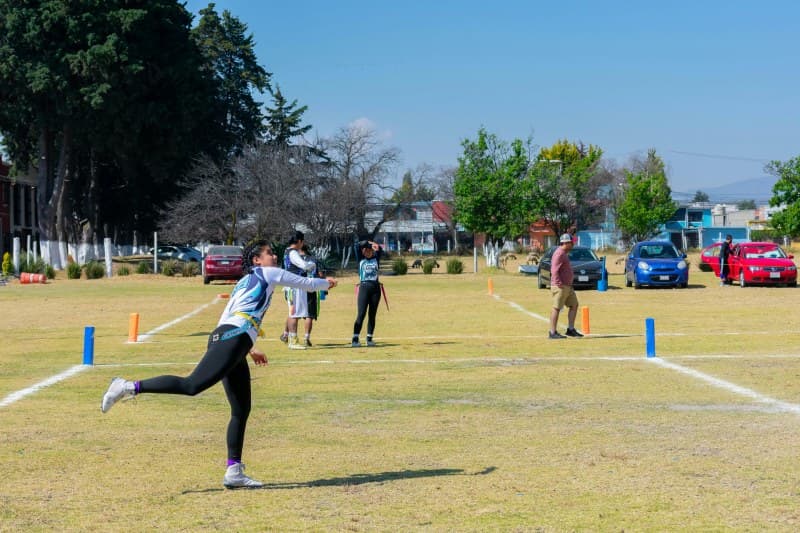
When my friend Lila was 12, she got cut from her middle school basketball team. The coach told her she “lacked natural coordination” and should stick to non-sports activities. Fast forward 10 years: Lila was captain of her college volleyball team, leading her squad to a regional championship. She didn’t suddenly gain a “natural gift”—she practiced serving for 30 minutes every day, asked her coach for feedback, and refused to give up. Her story is a reminder that the idea of “natural athleticism” is often more myth than reality.
The Myth of “Natural Athleticism” — Why It Sticks
We’ve all seen videos of pro athletes making impossible plays and thought, “They were born to do that.” But what we don’t see is the hours of practice, the failed attempts, and the small improvements that add up over time. The myth of natural talent persists because it’s easier to attribute success to luck or genetics than to hard work. But the truth is, most athletes—even the pros—start with average skills and build their way up.
7 Myths About Sports Talent (And What’s Actually True)
Let’s break down the most common myths about sports talent and replace them with facts:
| Myth | The Truth |
|---|---|
| You need to be born with athletic talent to excel. | Consistent practice and focused effort matter far more than genetics. For example, Michael Jordan was cut from his high school basketball team but became one of the greatest players ever. |
| You can’t start a sport after a certain age. | Adults can learn new sports! A 2023 study found that 60% of adult runners started after age 30, and many go on to complete marathons. |
| Tall people are always better at basketball. | Skills like shooting accuracy and court awareness are more important. Spud Webb (5’7”) won the NBA Dunk Contest in 1986, proving height isn’t everything. |
| Fast-twitch muscles are only for sprinters. | Training can improve fast-twitch muscle function for any sport. Even long-distance runners use fast-twitch muscles for sprints at the end of a race. |
| You have to train 24/7 to be good. | Quality over quantity! Short, focused sessions (e.g., 20 minutes of dribbling practice) are more effective than long, unfocused workouts. |
| Sports are only for people with a “competitive edge.” | Recreational sports are about fun and health, not winning. Millions of people play soccer, tennis, or yoga just to stay active and meet new friends. |
| If you don’t get good quickly, you never will. | Progress takes time. It took Serena Williams 10 years of practice to win her first Grand Slam title at age 17. |
How to Build Your Athletic Skills (No “Natural Gift” Required)
Want to get better at a sport? Here are three actionable tips:
- ⚡ Consistent practice: Even 15 minutes a day can make a difference. Lila practiced serving volleyball every morning before class.
- 💪 Focus on weak areas: If you struggle with catching, spend extra time on that skill instead of just doing what you’re good at.
- 📝 Get feedback: Ask a coach or experienced player to watch you and give tips. Lila’s coach helped her fix her serving stance, which made her shots more accurate.
“I’ve failed over and over and over again in my life. And that is why I succeed.” — Michael Jordan
This quote sums up what many athletes learn: failure is part of the process. Jordan didn’t let being cut from his team stop him—he used it as motivation to work harder.
FAQ: Your Burning Questions About Sports Talent
Q: I’ve always thought I’m not athletic—can I still try a new sport?
A: Absolutely! Start small (like a weekly casual soccer game or yoga class) and focus on enjoyment first. Many people discover they love a sport even if they don’t start as a “natural.” For example, my neighbor started playing golf at 50 and now plays every weekend with friends.
Remember: Sports are for everyone, regardless of “natural talent.” The only thing you need is a willingness to try and keep going.