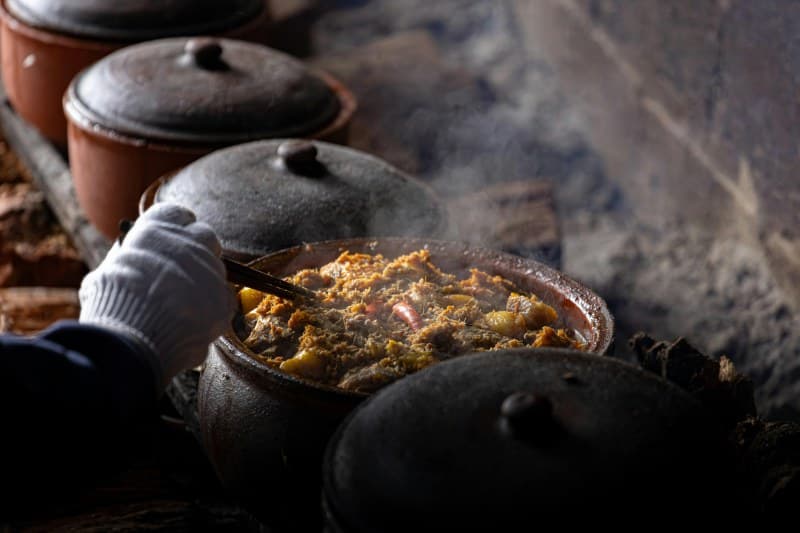
Last year, I booked a ‘traditional Thai cooking class’ in Bangkok that promised an ‘authentic village experience.’ Turns out, the ‘village’ was a purpose-built set, the ingredients were pre-chopped, and the ‘local chef’ was a tourist guide who’d learned the recipes online. I left feeling like I’d wasted time and money—until a street vendor noticed my disappointment and invited me to help him stir his pad thai wok. That 15-minute chat, where he taught me to balance fish sauce and lime, was the real authentic moment I’d been chasing.
The 4 Myths Holding You Back From Real Cultural Connections
Myth 1: You need to speak the local language fluently
You don’t have to master a language to connect. A smile, a nod, or pointing to a dish you want to try can go a long way. When I was in Mexico City, I used Google Translate to ask a tortilla maker how she learned her craft. She didn’t speak English, but she gestured to her mother’s photo on the wall and mimicked rolling dough—telling a story without words.
Myth 2: Authentic experiences are only in remote places
Some of the most genuine moments happen in busy cities. In Tokyo, I stumbled upon a small sake bar tucked between skyscrapers. The owner, a retired teacher, served me his homemade brew and showed me photos of his grandkids. No tourists were there—just locals stopping by after work. It was in the heart of the city, but it felt more authentic than any remote village tour.
Myth 3: You have to spend a lot of money
Authenticity doesn’t come with a price tag. In Marrakech, I joined a group of locals for a free sunset walk in the medina. We shared mint tea from a street cart (costing 10 dirhams, or $1) and talked about their favorite hidden alleyways. That experience was far more meaningful than the expensive camel ride I’d booked earlier.
Myth 4: Local culture is static
Cultures evolve. In Berlin, a young street artist told me how he blends traditional German folk art with modern graffiti. He said his work is a way to keep his culture alive while making it relevant for his generation. Authenticity isn’t about frozen traditions—it’s about understanding how culture grows and changes.
Tourist Trap vs. Authentic Experience: A Quick Comparison
Wondering if an experience is genuine? Use this table to spot the difference:
| Aspect | Tourist-Trap Experience | Authentic Experience |
|---|---|---|
| Crowd | Full of other tourists, no locals | Mix of locals and a few curious travelers |
| Interaction | Scripted, no personal connection | Spontaneous, with stories shared by locals |
| Price Point | Overpriced (2-3x local rates) | Fair, matches what locals pay |
| Memory Impact | Generic photos, no lasting stories | Personal moments you’ll talk about for years |
A Classic Wisdom to Guide Your Journey
“Wherever you go, go with all your heart.” — Confucius
This quote reminds me that authenticity isn’t about checking boxes. It’s about being present: listening to the street vendor’s story, trying the dish that scares you, and letting locals lead the way. When you go with an open heart, you’ll find authentic moments even in the most unexpected places.
FAQ: How to Approach Locals Without Feeling Intrusive
Q: I want to talk to locals, but I don’t want to bother them. What’s the best way?
A: Start small. Smile and say a simple greeting (like “hello” or the local equivalent). If they respond, ask an open-ended question (e.g., “What’s your favorite dish here?”). Avoid asking personal questions (like income) and respect their space if they seem busy. A small gesture—like buying a drink from their stall—can also help break the ice.
At the end of the day, authentic travel is about curiosity and respect. Let go of the myths, slow down, and let the locals show you their world. You’ll come home with stories, not just photos.