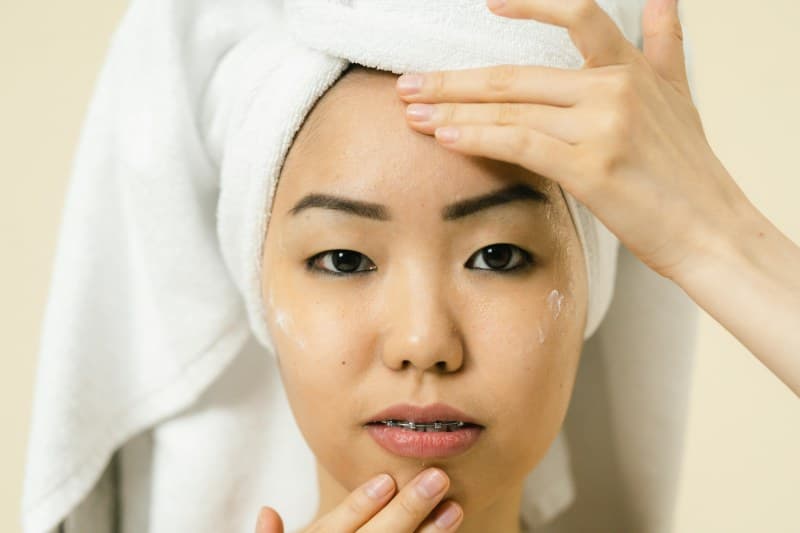
Last year, my friend Lila splurged $150 on a luxury serum promising "glass skin" in 7 days. After two weeks, her skin was dry and irritated. She swapped it for a $12 drugstore hyaluronic acid serum—and within a month, her skin was dewy and glowing. That’s when we realized: the price tag doesn’t always equal results.
The Truth About Expensive vs. Affordable Skincare
When it comes to skincare, active ingredients are the star of the show—not the brand name or packaging. For example, vitamin C is vitamin C whether it’s in a $10 drugstore bottle or a $100 luxury tube. The difference often lies in marketing budgets, fancy packaging, or proprietary blends (which don’t always deliver better results).
Here’s a quick comparison:
| Aspect | Affordable Skincare | High-End Skincare |
|---|---|---|
| Active Ingredients | Often same as luxury (e.g., niacinamide 5%) | May have proprietary blends, but not always better |
| Packaging | Basic, functional (plastic tubes/jars) | Luxury (glass bottles, fancy designs) |
| Price Point | $5–$30 | $50–$200+ |
| Accessibility | Widely available at drugstores/grocery stores | Limited to Sephora/department stores |
| Marketing | Focus on ingredients, no celebrity endorsements | Flashy ads, celebrity partnerships |
4 Common Skincare Myths Debunked
Myth 1: Expensive products = better ingredients
Many drugstore brands use the same active ingredients as luxury ones. CeraVe’s $18 moisturizing cream has ceramides and hyaluronic acid—key components found in $100+ moisturizers. The extra cost often goes to branding, not effectiveness.
Myth 2: More steps = better routine
A 10-step routine isn’t for everyone. My cousin, who has eczema, switched from 8 steps to 3 (cleanser, moisturizer, sunscreen) and her skin cleared up. Too many products can irritate sensitive skin—sometimes less is more.
Myth 3: Natural ingredients are always safe
Just because something is "natural" doesn’t mean it’s gentle. Tea tree oil, a popular natural acne treatment, can dry out or irritate sensitive skin. Always patch-test new products—natural or not.
Myth 4: You need a separate eye cream
The skin around your eyes is thin, but many moisturizers are gentle enough to use there. If your regular moisturizer doesn’t irritate your eyes, you don’t need a separate one. Save that money for a good sunscreen!
"Beauty is not in the face; beauty is a light in the heart." — Kahlil Gibran
This quote reminds us that glowing skin isn’t just about products. Drinking water, getting enough sleep, and managing stress all play a role in how your skin looks. Skincare is part of self-care, not a luxury.
Quick Q&A
Q: Can I mix affordable and high-end products?
A: Absolutely! For example, use a $10 drugstore cleanser and a $50 luxury serum. Focus on what works for your skin—if a high-end product has an active ingredient you love, go for it, but don’t feel pressured to buy everything expensive.
At the end of the day, the best skincare routine is one that fits your budget and your skin’s needs. Don’t let marketing tricks make you think you need to spend a fortune for glowing skin. Listen to your skin, do your research, and remember: beauty comes from within (and a good sunscreen!).