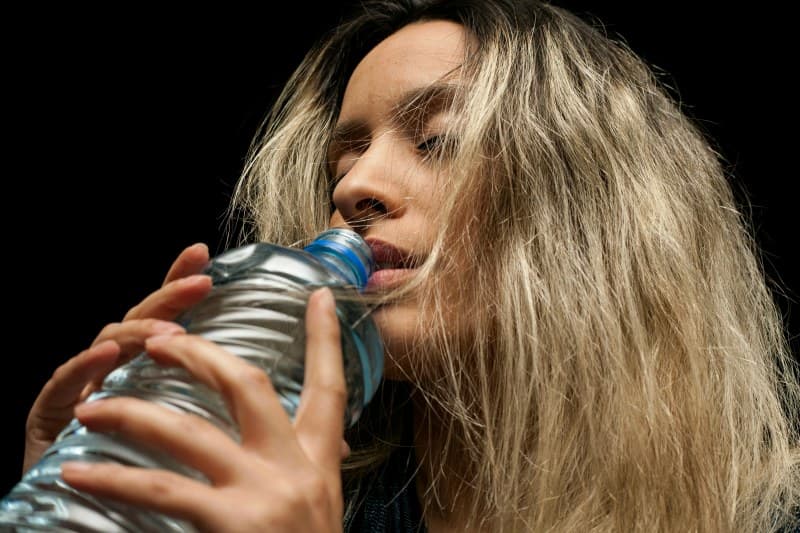
Last week, my friend Sarah told me she sets a timer every hour to chug a glass of water—even if she’s not thirsty. She swears by the ‘8 glasses a day’ rule, but by mid-afternoon, she’s running to the bathroom every 10 minutes and feeling bloated. Sound familiar? The 8-glass myth is one of the most persistent in health circles, but is it actually true?
The Origin of the 8-Glass Rule
The idea of drinking 8 glasses of plain water daily traces back to a 1945 U.S. National Research Council study. The report suggested humans need about 2.5 liters of water per day—including water from food like fruits, veggies, and soups. Over time, that detail got lost, and the rule morphed into a strict ‘8 glasses of plain water’ mandate. No wonder so many people feel guilty for not hitting that arbitrary number!
7 Hydration Myths vs. The Truth
Let’s break down the most common myths and set the record straight:
| Myth | Truth |
|---|---|
| You need 8 glasses of plain water daily. | Total fluid intake (including food) should be ~2.5L for adults. Plain water is part of this, but other sources (like watermelon or herbal tea) count too. |
| Thirst means you’re already dehydrated. | Thirst is an early signal—your body is just asking for water, not in crisis. It’s okay to respond when you feel thirsty. |
| Coffee and tea dehydrate you. | Caffeinated drinks in moderation (up to 400mg caffeine/day) contribute to hydration. The diuretic effect is minimal for most people. |
| Clear urine means perfect hydration. | Pale yellow urine is ideal. Clear urine may indicate overhydration, which can dilute electrolytes. |
| 100% fruit juice doesn’t hydrate you. | It does, but watch sugar content. Opt for unsweetened varieties to avoid extra calories. |
| Dehydration only causes dry mouth. | Symptoms include fatigue, headaches, poor focus, and even muscle cramps. Dry mouth is a late sign. |
| Athletes need 2x more water than non-athletes. | Extra water depends on sweat loss (e.g., a runner in summer needs more than a desk worker). No one-size-fits-all number. |
Listening to Your Body
Instead of obsessing over numbers, tune into your body’s cues. If you’re thirsty, drink. If you’re not, don’t force it. As Deepak Chopra once said:
“The body is a self-regulating system; trust its signals.”
This applies perfectly to hydration. For example, on a hot day, you’ll naturally crave more water than on a cool, sedentary day. Your body knows what it needs—you just have to listen.
Common Q&A
Q: If I don’t like plain water, what are other good hydration options?
A: Great question! Herbal teas (unsweetened), sparkling water, and water infused with fruits/veggies (like lemon or cucumber) are all excellent. Even water-rich foods like watermelon (92% water) or celery (96% water) add to your daily fluid intake. Just avoid sugary drinks like soda, which can dehydrate you in the long run.
Practical Tips for Staying Hydrated
- Keep a reusable water bottle nearby (visible reminders help!)
- Eat water-rich foods: watermelon, oranges, celery, and yogurt are great choices.
- Sip water throughout the day instead of chugging—this helps your body absorb it better.
- If you forget to drink, set a gentle reminder (but don’t force it if you’re not thirsty).
At the end of the day, hydration doesn’t have to be a chore. Ditch the 8-glass pressure and focus on what your body tells you. Your kidneys (and bladder) will thank you!