Sarah’s morning routine was a blur: drop off the kids, rush to work, answer 20 emails before 9 AM. By midday, her shoulders were tight, and she could feel a headache building. She’d tried meditation before but never had 10 minutes to spare. Then she found small, doable ways to reduce stress without adding to her to-do list. If you’re like Sarah, these 4 methods might be exactly what you need.
The 4 Go-To Stress-Reduction Ways for Busy Lives
Each method is designed to fit into tiny gaps in your day. Here’s how they stack up:
| Method | Time Commitment | Effort Level | Pros | Cons |
|---|---|---|---|---|
| Box Breathing | 5 mins | Low | Instant calm, no tools needed | Hard to focus if distracted |
| Micro-Movement Stretches | 1-2 mins | Medium | Relieves physical tension, boosts energy | May need to step away from desk |
| Mindful Sipping | 2 mins | Low | Combines hydration with mindfulness | Requires intentionality (easy to forget) |
| Gratitude Journaling | 3 mins | Low | Shifts focus to positive, improves sleep | May feel forced at first |
1. Box Breathing: Breathe Your Stress Away
Box breathing is a simple technique: inhale for 4 counts, hold for 4, exhale for 4, pause for 4. Sarah started doing this while waiting at red lights. After a week, she noticed her commute felt less stressful, and she arrived at work with a clearer mind.
2. Micro-Movement Stretches: Loosen Up Fast
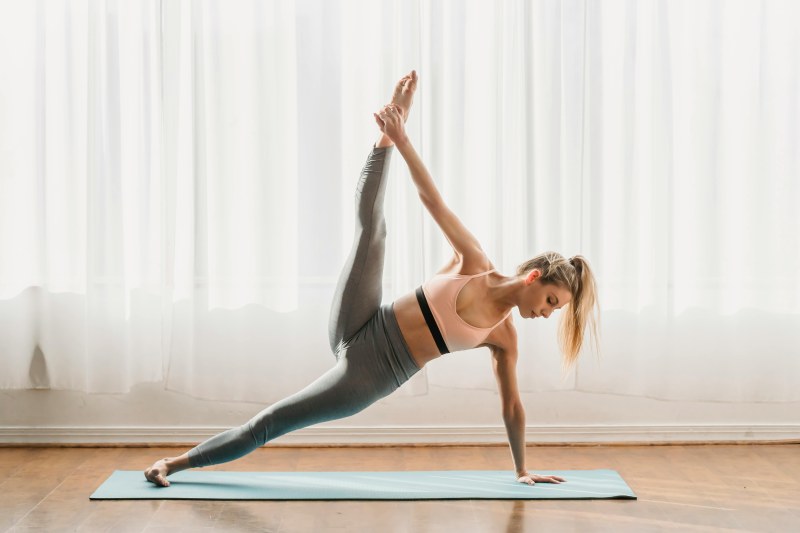
A quick shoulder roll, neck stretch, or standing leg lift can do wonders. Sarah set a timer every hour to stand up and stretch. Her tight shoulders started to feel better, and she found herself more focused after each break.
3. Mindful Sipping: Savor the Moment
Instead of chugging coffee, Sarah started sipping her morning tea slowly, noticing the warmth and flavor. This small act helped her start the day with a sense of calm instead of rushing.
4. Gratitude Journaling: End the Day on a High Note
Before bed, Sarah wrote down three things she was grateful for—like her kid’s laugh or a good cup of coffee. This helped her let go of the day’s stress and sleep better.
Why These Small Acts Matter
Stress is often cumulative, so small, consistent actions add up. As William James once said:
The greatest weapon against stress is our ability to choose one thought over another.This quote rings true here—each method gives you a chance to pause and choose calm over chaos, even in the busiest moments.
Common Questions
Q: Can these methods replace longer stress-reduction practices like yoga or meditation?
A: No, but they’re perfect for busy days when you don’t have time for longer sessions. They also complement bigger practices by keeping stress levels low throughout the day.
Q: How do I remember to do these?
A: Try linking them to existing habits—like box breathing during your commute, or mindful sipping while waiting for your computer to load. Small reminders (like a sticky note on your desk) can also help.
Stress doesn’t have to take over your day. These 4 ways are proof that you don’t need extra time to feel calmer and more in control. Give one a try tomorrow—you might be surprised at how much difference it makes.