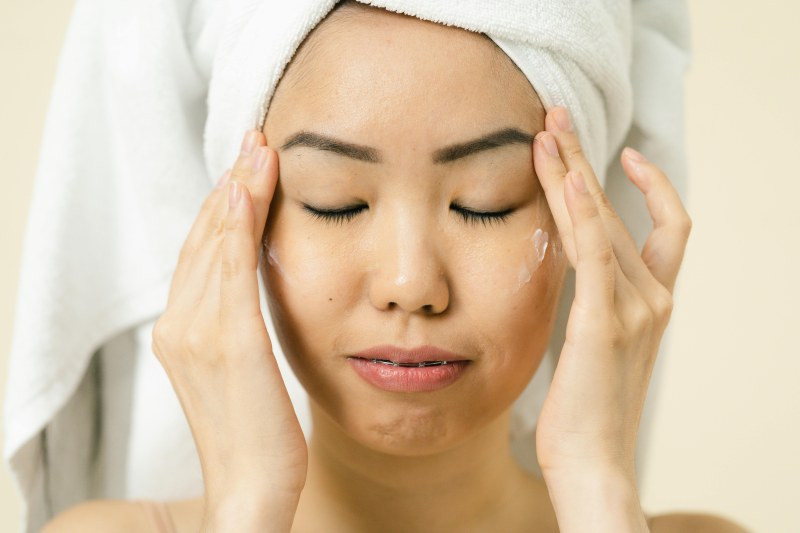
Last year, my friend Lila decided to double down on her skincare routine. She’d heard that washing her face twice a day was non-negotiable for clear skin, so she started using a harsh foaming cleanser morning and night. Within a week, her cheeks were red, tight, and flaky—turns out, her dry skin didn’t need that much cleansing. Lila’s story is common: we all hear conflicting advice about face washing, but what’s actually true?
The Truth About Twice-Daily Face Washing
Contrary to popular belief, there’s no one-size-fits-all rule for how often to wash your face. It all depends on your skin type. For example, oily skin might benefit from two cleanses a day to control excess sebum, while dry or sensitive skin can get irritated if over-cleansed. Below is a quick guide to match your routine to your skin:
| Skin Type | Recommended Cleansing Frequency | Best Cleanser Type |
|---|---|---|
| Dry | Once daily (night) | Cream or oil-based |
| Oily | Twice daily (morning + night) | Foaming or gel-based |
| Combination | Twice daily (adjust for T-zone) | Gentle foaming or micellar water |
| Sensitive | Once daily (night) | Fragrance-free, hypoallergenic |
6 Common Face-Washing Myths Debunked
1. Myth: Hot water opens pores, cold water closes them
Pores don’t have muscles—they can’t open or close. Hot water may strip natural oils, while cold water can soothe irritation, but neither changes pore size. Stick to lukewarm water for cleansing.
2. Myth: Scrubbing harder gets skin cleaner
Aggressive scrubbing damages the skin’s protective barrier, leading to redness and breakouts. Use gentle circular motions with your fingertips (not a loofah) for effective cleansing.
3. Myth: Toner is mandatory after cleansing
Toners aren’t necessary for everyone. Oily skin types might use them to control shine, but dry or sensitive skin can skip them without issues.
4. Myth: Bar soap is bad for your face
Not all bar soaps are harsh. Look for pH-balanced, fragrance-free bars—they’re safe for most skin types and often more eco-friendly than liquid cleansers.
5. Myth: Micellar water replaces a full cleanser
Micellar water is great for removing light makeup or refreshing skin, but it’s not enough to deep-clean pores after a long day. Pair it with a cleanser at night for thorough removal.
6. Myth: Cleanse immediately after sweating
Wait 15-20 minutes after sweating. Sweat mixed with bacteria can irritate skin if cleansed right away. Pat your skin dry first, then use a gentle cleanser.
“Moderation is the key to all things.” — Aristotle
This ancient wisdom applies perfectly to face washing. Overdoing it strips your skin of its natural oils, while underdoing it leaves dirt and oil buildup. Finding the middle ground based on your skin type is the secret to healthy, glowing skin.
FAQ: Your Face-Washing Questions Answered
Q: Can I skip cleansing in the morning if I washed my face at night?
A: Yes! If you have dry or sensitive skin, rinsing with lukewarm water in the morning is enough. Oily skin types might benefit from a gentle cleanse to remove overnight oil buildup, but avoid harsh products.
Final Tips for Healthy Cleansing
- Pat your skin dry (don’t rub) to avoid irritation.
- Change your pillowcase every 2-3 days to prevent dirt and bacteria transfer.
- Test new cleansers on a small patch of skin (like your inner arm) before using them on your face.