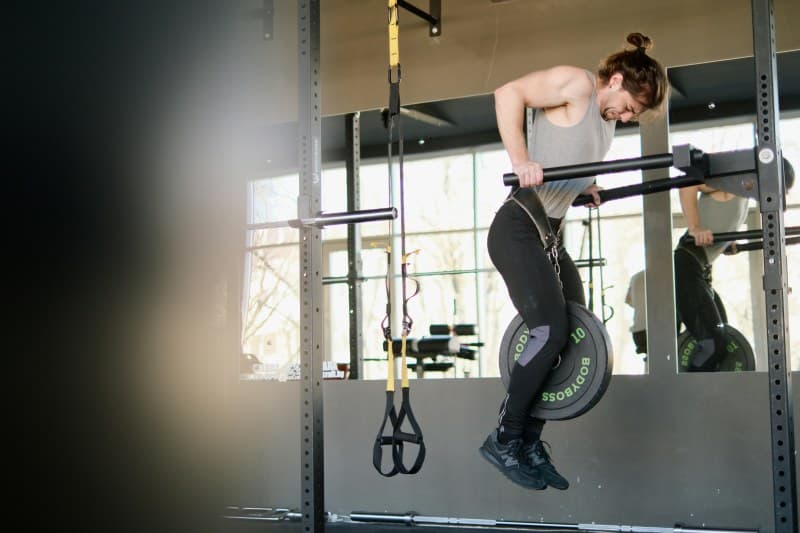
Last week, my friend Lila stumbled out of her morning yoga class looking deflated. ‘I didn’t even sweat,’ she sighed. ‘Was that workout even worth it?’ If you’ve ever felt this way, you’re not alone. We’ve all been told (or assumed) that sweat equals effort equals results. But is that really the case? Let’s break it down.
The Real Deal About Sweat
Sweat is your body’s way of cooling down, plain and simple. How much you sweat depends on factors like your genetics (some people are naturally sweatier), the temperature and humidity of your environment, and even what you’re wearing. A low-sweat workout—like a gentle yoga flow or a walk in cool weather—can still boost your flexibility, mood, and heart health. Conversely, a high-sweat session (think spin class in a hot room) might leave you drenched but not necessarily build more muscle or burn more calories than a shorter, intense workout.
5 Fitness Myths That Are Holding You Back
- Myth 1: No pain, no gain. Many of us grew up hearing this, but pain is a red flag. Soreness (like the ache in your muscles 24-48 hours after a workout) is normal—it means your muscles are repairing and growing. But sharp, stabbing pain? Stop immediately. It could be an injury waiting to happen.
- Myth 2: You can spot-reduce fat. Want to lose belly fat? Doing 100 crunches a day won’t target that area alone. Fat loss is whole-body—your body decides where to burn fat first, based on genetics and hormones. Combine strength training with cardio and a balanced diet for best results.
- Myth 3: Longer workouts are better. A 20-minute HIIT session (think 30 seconds of sprinting, 1 minute of walking repeated) can burn more calories and boost your metabolism for hours after than a 60-minute steady jog. Quality over quantity!
- Myth 4: Cardio is the only way to lose weight. Strength training builds muscle, which increases your resting metabolic rate (meaning you burn more calories even when you’re sitting). So don’t skip those squats and push-ups—they’re key to long-term weight management.
- Myth 5: You need to work out every day. Rest days are just as important as workout days. Your muscles repair and grow while you rest. Skipping rest can lead to burnout, injury, and stalled progress. Aim for 3-5 days of exercise a week, with 2-3 rest days (or active recovery like walking).
To make it easier to remember, here’s a quick breakdown of some common myths and their truths:
| Myth | What People Think | The Truth |
|---|---|---|
| No pain, no gain | Feeling pain means I’m making progress | Pain is a warning; soreness is normal |
| Spot-reduce fat | Doing crunches will lose belly fat | Fat loss is whole-body; genetics play a role |
| Longer workouts = better results | 1 hour of cardio is better than 20 mins of HIIT | Intensity matters more than duration |
“The body achieves what the mind believes.” — Arnold Schwarzenegger
This quote reminds us that our beliefs shape our fitness journey. If we buy into myths like ‘sweat equals success,’ we might skip workouts that are actually helping us grow. So next time you don’t sweat much, remember—progress isn’t always visible on your skin.
A Real-Life Example of Myth-Busting
Take my neighbor, Jake. He used to spend 2 hours every day on the treadmill, thinking more time meant more weight loss. But he wasn’t seeing results. Then he switched to 30-minute HIIT sessions 4 times a week, plus strength training twice a week. Within 2 months, he lost 10 pounds and felt more energized. The difference? He focused on intensity, not duration.
FAQ: How Do I Know My Workout Is Working?
Q: If sweat isn’t a good indicator, how do I know if my workout is effective?
A: Look for small, consistent progress. Can you lift a heavier weight than last month? Do you feel less winded when climbing stairs? Are you able to hold a yoga pose longer? These are all signs your workout is making a difference. Also, pay attention to how you feel—more energy, better sleep, and improved mood are all wins.
Fitness is personal, and there’s no one-size-fits-all approach. The key is to find what works for you, ignore the myths, and stay consistent. Remember—progress, not perfection, is the goal. So next time you leave a workout without breaking a sweat, don’t worry. You might have just had a great session without even realizing it.