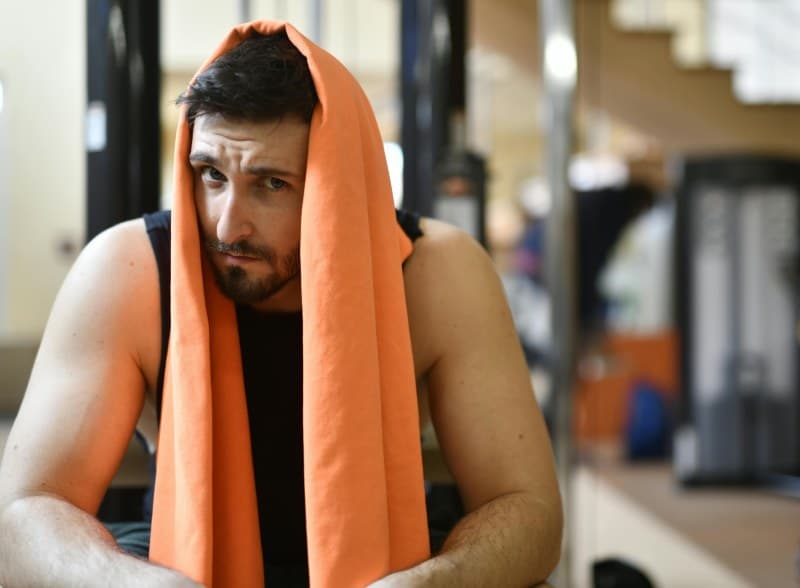
Ever left a workout feeling like you didn’t ‘earn’ it because your shirt was still dry? Or envied the person next to you dripping with sweat, assuming they got a way better session? You’re not alone. The idea that sweat equals a good workout is one of the most persistent myths in fitness—but it’s time to set the record straight.
What Sweat Actually Does (And Doesn’t Do)
Sweat is your body’s built-in cooling system. When your core temperature rises from exercise, your sweat glands release fluid that evaporates off your skin, lowering your temperature. It has nothing to do with how many calories you burn or how much muscle you build. Factors like genetics, humidity, and even what you wear affect how much you sweat—so two people doing the same workout can have totally different sweat levels.
Two Myths About Sweat and Fitness, Debunked
Myth 1: More Sweat = More Calories Burned
Let’s say you do a 30-minute spin class on a hot day and sweat buckets. Then you do the same class on a cool day and barely sweat. Did you burn fewer calories the second time? Probably not. Calorie burn depends on your heart rate, muscle engagement, and workout duration—not sweat. A study by the American Council on Exercise found that sweat volume doesn’t correlate with calorie expenditure.
Myth 2: No Sweat Means No Progress
Think about yoga or Pilates. These workouts focus on strength, flexibility, and core stability—often without much sweat. But they still build muscle and improve mobility. Take my friend Lila: she does hot yoga and sweats so much she has to bring an extra towel. Her sister Mia does regular yoga and barely breaks a sweat, but Mia’s core strength has improved way more in the last six months. Progress isn’t about how wet your shirt is—it’s about how your body feels and performs.
To help you tell the difference between sweat and actual workout indicators, here’s a quick comparison:
| Indicator | Does It Measure Workout Effectiveness? | Why? |
|---|---|---|
| Sweat Amount | No | Depends on genetics, temperature, and clothing—not effort. |
| Heart Rate | Yes | Shows how hard your cardiovascular system is working. |
| Muscle Fatigue | Yes | Indicates you’re challenging your muscles to grow stronger. |
| Perceived Exertion | Yes | How hard you feel you’re working (on a 1-10 scale) correlates with effort. |
“It's not the size of the dog in the fight, but the size of the fight in the dog.” — Mark Twain
This quote perfectly sums up fitness: it’s about the effort you put in, not the visible signs like sweat. Even if you don’t sweat much, if you’re pushing yourself to your limit, you’re making progress.
Common Question About Sweat and Workouts
Q: Should I be worried if I don’t sweat during a workout?
A: Not necessarily. If you’re new to exercise, your body might not sweat as much until it adapts. But if you’re doing a high-intensity workout and never sweat, or if you notice other symptoms like dizziness or overheating, it’s a good idea to check with a doctor—this could be a sign of a sweat gland issue.
Next time you finish a workout, don’t judge its success by your sweat. Instead, ask yourself: Did I challenge my body? Do I feel stronger or more energized? Those are the real markers of a great workout. Sweat is just a side effect, not a scorecard.