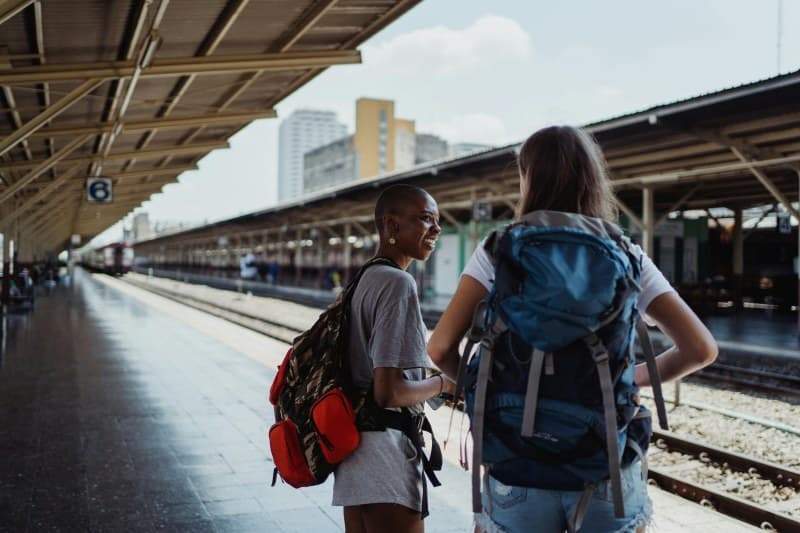
Last year, my friend Sarah traveled to Kyoto without knowing a word of Japanese. She signed up for a traditional pottery class, nervous she’d be left out. But using Google Translate to ask the instructor about his favorite clay, and pointing to photos of her own garden on her phone, they ended up bonding over a shared love for nature. By the end of the class, he gave her a small, handcrafted cup as a gift—proof that connection doesn’t always need words.
Is Fluency Really Required to Connect?
Let’s get straight to the big question: Do you need to speak the local language to have meaningful interactions with locals? The short answer is no—but there are a lot of myths that make travelers think otherwise.
7 Myths About Language and Local Connections (Debunked)
Here’s a breakdown of common myths and the real truth:
| Myth | Truth |
|---|---|
| You need fluency to connect with locals. | Even basic phrases + non-verbal cues (smiles, gestures) can build rapport. |
| Locals get annoyed if you don’t speak their language. | Most locals appreciate the effort to try—even a simple “hello” or “thank you” goes a long way. |
| Gestures are universal. | Some gestures (like thumbs up) mean different things—do a quick check before using! |
| Translation apps solve all language problems. | Apps can help, but they often miss nuance—pair them with body language. |
| Only tourists don’t speak the local language. | Many expats or long-term travelers stay without fluency, and locals adapt. |
| Speaking a little is worse than nothing. | Attempting even a few words shows respect and opens doors. |
| Deep conversations are impossible without shared language. | Stories, art, and emotions can be communicated through photos, drawings, or shared experiences. |
Practical Tips to Connect Without Fluency
- Learn 3 key phrases: Hello, thank you, and “Where is the bathroom?” (basic but essential).
- Use visual aids: Show a photo of your hometown or ask to see theirs.
- Join group activities: Cooking classes, hikes, or festivals are great for non-verbal bonding.
- Carry a small notebook: Draw or write simple words to communicate.
A Word on Communication Beyond Words
“The most important thing in communication is hearing what isn’t said.” — Peter Drucker
This quote rings true for travel. When you’re without a common language, you start paying attention to the little things: a warm smile, a nod of understanding, or a shared laugh over a messy meal. These moments are often more memorable than any conversation.
FAQ: Common Questions About Language and Travel
Q: I’m shy—how can I connect with locals without speaking their language?
A: Start small. Smile at a vendor, point to a dish you want to try, or use a translation app to say “This food is delicious.” Many locals will respond with kindness, even if you can’t hold a long conversation.
Q: What if I make a mistake in the local language?
A: Don’t worry! Most locals will find it endearing. Laugh it off and keep trying—mistakes are part of the fun.
At the end of the day, travel is about curiosity and respect. You don’t need to be fluent to make meaningful connections—you just need to be open to trying.