Last month, my friend Jake walked into the gym, stared at the 50-pound dumbbells, and sighed. ‘I’ll never get strong,’ he said. ‘I can’t lift those.’ I told him he didn’t need to—but he didn’t believe me. Like many people, Jake bought into the myth that heavy weights are the only way to build muscle. Let’s set the record straight.
The Truth About Heavy Weights and Muscle Growth
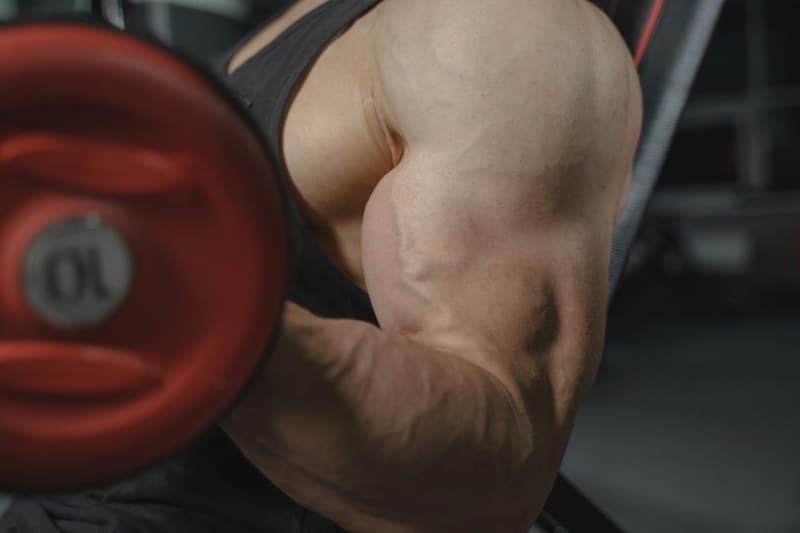
Muscle growth (called hypertrophy) happens when your muscles are put under tension—whether from lifting a heavy object or doing 20 push-ups until your arms shake. For casual fitness, you don’t need to max out on weights. Light weights with enough reps (until you can’t do one more) work just as well for building size and strength.
5 Common Muscle-Building Myths Debunked
- Myth 1: Heavy weights = bigger muscles. Truth: Light weights (12-15 reps until failure) trigger the same muscle growth as heavy ones.
- Myth 2: You need to work out every day. Truth: Muscles grow during rest—3-4 days a week is enough for beginners.
- Myth 3: Bodyweight exercises don’t build muscle. Truth: Push-ups, squats, and lunges can build muscle if you increase difficulty (e.g., one-legged squats).
- Myth 4: More reps = better results. Truth: It’s about fatigue, not count. 15 reps until failure is as good as 5 heavy reps.
- Myth 5: Supplements are mandatory. Truth: A balanced diet (protein, carbs, fats) is enough for casual muscle growth.
How Different Training Methods Stack Up
Let’s compare three popular methods to find what fits your goals:
| Training Method | Equipment Needed | Muscle Growth Type | Suitability for Beginners |
|---|---|---|---|
| Heavy Weights (3-6 reps) | Dumbbells, barbells, machines | Strength + some size | Yes (with proper form) |
| Light Weights (12-15 reps) | Light dumbbells, resistance bands | Size + endurance | Highly suitable |
| Bodyweight | None | Endurance + functional strength | Most suitable |
A Story of Strength Without Heavy Weights
My cousin Mia wanted to build arm muscle but didn’t have a gym membership. She started doing 3 sets of push-ups (10-12 reps each) and tricep dips on a chair 3 times a week. After 2 months, she could do 20 push-ups in a row and noticed her arms looked toned. No heavy weights—just consistent effort.
“Strength is not about how much you can lift, but how much you can carry on when you can’t lift anymore.” — Unknown
This quote sums it up: It’s not about the weight; it’s about pushing through until your muscles feel fatigued. Whether you use light weights or bodyweight, that’s where growth happens.
FAQ: Your Muscle-Building Questions Answered
Q: Can I build muscle if I’m over 40?
A: Yes! Muscle growth slows with age, but it’s still possible. Focus on form, consistency, and a protein-rich diet. Even 2-3 days a week of strength training can make a difference.
Practical Tips for Casual Muscle Growth
- Focus on form: Bad form leads to injury. Watch tutorials or ask a trainer for help.
- Mix it up: Alternate between bodyweight and light weights to keep muscles guessing.
- Rest: Give your muscles 48 hours to recover (e.g., legs on Monday, upper body on Wednesday).
- Eat protein: Aim for 0.8-1 gram per pound of body weight daily (e.g., 150 lbs = 120-150 grams).
So, Jake? He started with 10-pound dumbbells and did 15 reps until failure. After a month, he could lift 15 pounds. He realized heavy weights aren’t the only path to strength. Whether you’re using bodyweight, light weights, or heavy ones—consistency and effort are the real keys.