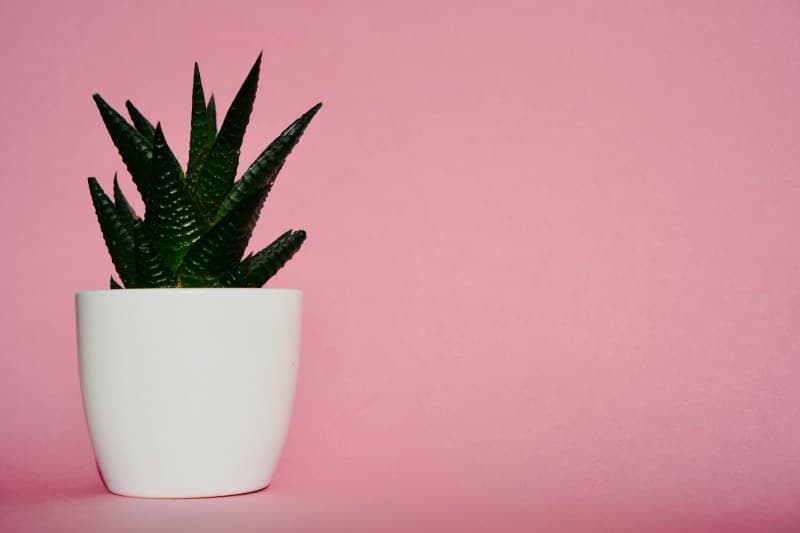
Last year, I tried to propagate my favorite pothos by sticking a cutting in water and leaving it on the sunniest windowsill. A week later, it turned yellow and mushy—total failure. I thought I was terrible at plants until I learned I’d picked the wrong spot and method. Now, I have three thriving pothos babies from the original plant, and propagation has become my go-to weekend hobby. Let’s break down how it works, the best methods, and the myths holding you back.
What is houseplant propagation?
Propagation is the process of growing new plants from parts of an existing one—like cuttings, leaves, or roots. It’s a budget-friendly way to expand your plant collection or share favorites with friends. The key is matching the right method to your plant type.
7 Propagation Methods: A Quick Comparison
Not all plants propagate the same way. Here’s how 7 common methods stack up:
| Method | Best Plants | Success Rate | Time to Root | Pros | Cons |
|---|---|---|---|---|---|
| Water Propagation | Pothos, spider plant, philodendron | 90% | 2-4 weeks | Easy to monitor roots, no soil mess | Plants may shock when transferred to soil |
| Soil Propagation | Succulents, cacti, ZZ plant | 85% | 3-6 weeks | No transplant shock, mimics natural growth | Hard to see root development |
| Stem Cutting | Mint, basil, rose | 80% | 2-5 weeks | Fast growth, works for most herbaceous plants | Requires healthy stem nodes |
| Leaf Cutting | Snake plant, jade, African violet | 75% | 4-8 weeks | Uses small plant parts, great for succulents | Slow root and shoot development |
| Division | Ferns, peace lily, bamboo | 95% | Immediate growth | Instant new plants, no waiting for roots | Requires mature plants to split |
| Layering | Jasmine, ivy, rubber plant | 88% | 6-12 weeks | High success, plant stays attached to parent | Takes longer, needs space to layer |
| Air Layering | Ficus, monstera, citrus | 92% | 8-16 weeks | Works for woody plants, produces large new plants | More complex setup, time-consuming |
Common Propagation Myths Debunked
Let’s clear up the lies that might have tripped you up:
- Myth 1: All cuttings need direct sunlight.
Truth: Too much sun can dry out cuttings. Most need bright, indirect light to root. - Myth 2: You have to change water daily for water propagation.
Truth: Changing water every 2-3 days is enough to prevent bacteria growth. - Myth 3: Only experts can propagate plants.
Truth: Beginners can start with easy plants like pothos or spider plants—they root almost effortlessly.
Wisdom to Grow By
The best time to plant a tree was 20 years ago. The second best time is now. — Chinese Proverb
This applies to propagation too. Even if you’ve failed before, now is the perfect time to try again. Start with a plant you love and a method that fits its needs.
FAQ: Your Propagation Questions Answered
Q: Do I need rooting hormone to propagate plants?
A: Not always! Easy plants like pothos or spider plants root well without it. But for harder-to-root plants (like roses or lavender), rooting hormone can boost success rates. It’s optional but helpful for tricky cases.
Final Tips for Success
1. Use clean tools to avoid disease.
2. Pick healthy, mature parts of the plant (avoid yellow or damaged leaves).
3. Be patient—some plants take weeks to root.
Propagation is a fun way to connect with your plants and grow your collection. Give it a try—you might be surprised at how well it works!