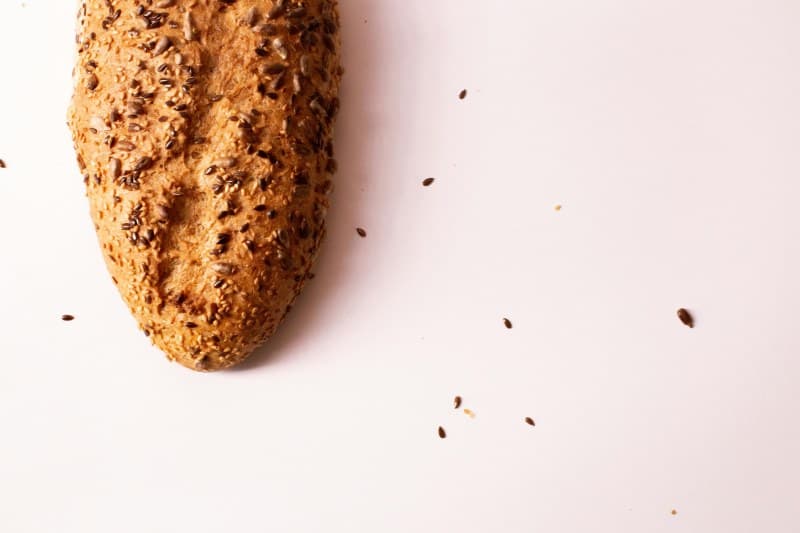
Last week, my friend Sarah spent 20 minutes kneading her first sourdough loaf, arms aching, convinced that more effort meant a better rise. But when it came out flat and dense, she thought she’d failed. Sound familiar? Baking bread is full of myths that make beginners feel like they’re missing a secret. Let’s break down the truth behind one of the biggest myths—and four others—to make your next loaf a success.
The Truth About Kneading: It’s Not About Time
Kneading develops gluten, the network of proteins that gives bread structure and chew. But you don’t need to knead for 10+ minutes to get great results. For most yeast doughs, 2-5 minutes of hand kneading (or 1-2 minutes in a stand mixer) is enough. The key sign? The dough should be smooth and elastic, not sticky. If it’s still sticking to your hands, add a tiny bit of flour—but don’t overdo it.
4 Common Bread Myths Debunked
Myth 1: More yeast = faster, better rise
Adding extra yeast might make your dough rise quicker, but it won’t make it better. Too much yeast leads to a yeasty, bitter flavor and a loaf that collapses easily. Stick to the recipe’s yeast amount—usually 1 teaspoon per 3 cups of flour.
Myth 2: Dough must double in size to bake
While many recipes say this, it’s not a hard rule. Some doughs (like ciabatta) only need to rise by 50% to get that airy, open crumb. Over-rising breaks down gluten, causing your loaf to deflate in the oven. A better test: Press a finger into the dough—if the indentation springs back slowly, it’s ready.
Myth3: Cold water kills yeast
Yeast is alive, but cold water doesn’t kill it—it just slows it down. This is great for slow-ferment recipes (like sourdough) that need time to develop flavor. Warm water (105-110°F) activates yeast quickly, but hot water (over 140°F) will kill it. So skip the boiling water!
Myth4: You can’t bake bread without a stand mixer
Stand mixers are convenient, but they’re not necessary. Hand kneading works just as well—you just need a little patience. Or try no-knead bread: Mix the dough, let it rise overnight, and bake in a Dutch oven. No kneading required!
Kneading Methods: Which Is Right For You?
Not sure which kneading method to use? Here’s a quick comparison:
| Method | Time Needed | Skill Level | Pros | Cons |
|---|---|---|---|---|
| Hand Kneading | 2-5 mins | Beginner-friendly | No equipment needed; hands-on control | Arms might get tired |
| Stand Mixer | 1-2 mins | Easy | Fast; less effort | Requires a mixer; can over-knead if not careful |
| No-Knead | 0 mins | Super easy | Minimal effort; deep flavor from slow rise | Longer rise time (8-12 hours) |
A Classic Thought On Bread
“Bread is the staff of life.” — Proverb
This old saying reminds us how central bread is to our lives. But it doesn’t have to be complicated. By letting go of myths, we can enjoy the process of baking and the reward of a warm, crusty loaf.
FAQ: Your Bread Questions Answered
Q: Can I skip kneading entirely?
A: Yes! No-knead recipes rely on long, slow fermentation to develop gluten. Just mix the dough, cover it, and let it rise overnight. The next day, shape it and bake in a preheated Dutch oven for a crispy crust and soft crumb.
Q: Why did my bread collapse after baking?
A: Most likely, it over-rose. Next time, check the dough’s rise with the finger test (indentation springs back slowly) instead of waiting for it to double. Also, make sure your oven is preheated to the right temperature—cold ovens can cause collapse.
Final Thoughts
Baking bread is about understanding the basics, not following rigid rules. Don’t let myths like “knead for ages” stop you from trying. Grab some flour, yeast, and water, and give it a go. Your first loaf might not be perfect, but each one will teach you something new. And nothing beats the smell of fresh bread filling your kitchen!