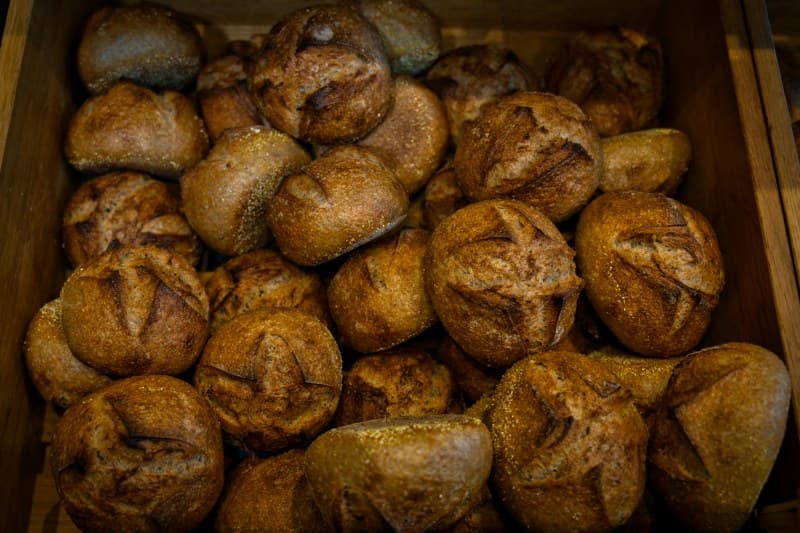
Last month, my friend Mia spent 15 minutes kneading her first loaf of sourdough, arms aching, convinced she wasn’t doing enough. When it came out tough and dense, she blamed her kneading skills. But the real issue? She’d over-kneaded. Kneading bread is one of those baking steps surrounded by myths—like the idea you have to knead for exactly 10 minutes. Let’s break down the truth and debunk four common myths.
What Kneading Actually Does 🍞
Kneading develops gluten, the protein network that gives bread its structure. When you knead, you stretch and fold the dough, aligning gluten strands. This creates the airy, chewy texture we love in good bread. But here’s the thing: the "right" time to knead isn’t set in stone.
4 Common Kneading Myths Debunked 💡
Myth 1: You Must Knead for Exactly 10 Minutes
Many recipes say 10 minutes, but that’s a guideline, not a rule. Whole wheat dough, with its coarser flour, needs more kneading (12-15 minutes) to break down bran particles. White flour dough might be ready in 8 minutes. The best way to check? The gluten window test.
Myth 2: Over-Kneading Isn’t Possible
Over-kneading breaks down gluten strands, leading to tough, crumbly bread. If your dough feels tight and elastic to the point of being hard, you’ve gone too far. Mia’s sourdough was a perfect example—she kept kneading long after it was ready.
Myth 3: No-Knead Bread Is "Cheating"
No-knead recipes use long fermentation (12-24 hours) to develop gluten without physical kneading. The slow rise allows yeast to produce gases that stretch the dough. It’s not cheating—it’s a different method, and the results are just as delicious (if not more so).
Myth 4: Hand Kneading Is Better Than Machine
Hand kneading lets you feel the dough’s texture, but it’s time-consuming. A stand mixer with a dough hook cuts time in half. Both methods produce great bread—choose based on your schedule and preference.
Kneading Methods: A Quick Comparison
Not sure which method to use? Here’s how three popular options stack up:
| Method | Time Needed | Pros | Cons |
|---|---|---|---|
| Hand Kneading | 8-15 mins | Control over texture, no equipment needed | Arms get tired, time-consuming |
| Stand Mixer | 4-8 mins | Fast, less effort | Requires equipment, easier to over-knead |
| No-Knead | 0 mins (fermentation:12-24h) | Low effort, deep flavor | Long wait time, less control over texture |
Wisdom from the Pros
"The only real stumbling block is fear of failure. In cooking, you’ve got to have a what-the-hell attitude." — Julia Child
Julia’s words ring true for kneading. Don’t stress about exact times or perfect technique. Experiment, and you’ll learn what works for your dough.
FAQ: Your Kneading Questions Answered
Q: How do I do the gluten window test?
A: Take a small piece of dough and gently stretch it between your fingers. If it becomes thin enough to see light through (without breaking), it’s ready. If it breaks easily, keep kneading.
Practical Tips for Kneading Success
- Use a light dusting of flour to prevent sticking—too much will dry out the dough.
- For hand kneading, use the heel of your palm to push the dough away, then fold it back. Repeat.
- If using a stand mixer, start on low speed and increase gradually—high speed can over-knead.
Kneading doesn’t have to be intimidating. Forget the myths, trust your senses, and enjoy the process. Whether you’re hand-kneading or using a mixer, the best bread comes from patience and a little experimentation. Happy baking! 🍞