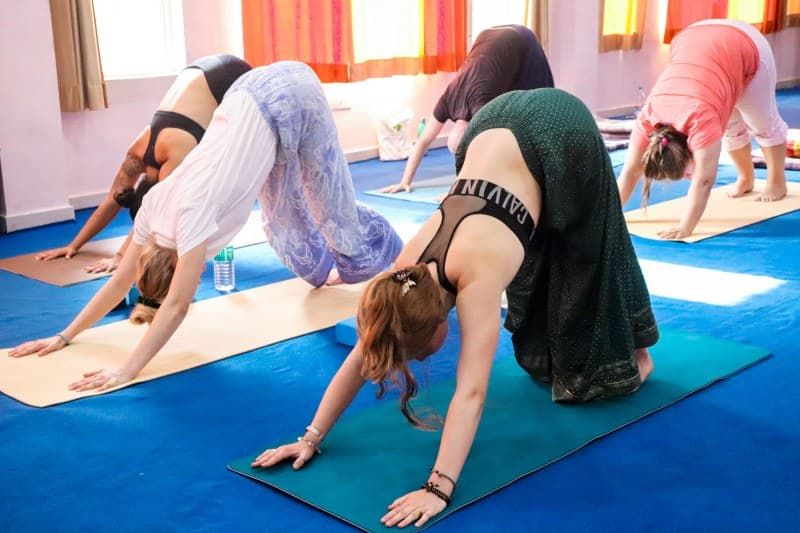
Sarah avoided yoga for years. Every time she saw a yoga class photo—people bending into impossible shapes—she thought, “I can’t even touch my toes. This isn’t for me.” Then a friend dragged her to a beginner Hatha class. The instructor handed her a block, modified poses for her tight hamstrings, and by the end, Sarah felt looser and calmer. She realized flexibility isn’t a requirement for yoga—it’s a bonus.
Is Flexibility a Prerequisite for Yoga? The Truth
Many people think yoga is only for those who can twist into pretzels or touch their toes without bending their knees. But that’s far from the truth. Yoga is about connecting your body, breath, and mind—flexibility comes as a side effect, not a starting point. Beginners often see small improvements in flexibility within their first few classes.
7 Common Yoga Myths Debunked
Let’s break down the most persistent myths about yoga and set the record straight:
| Myth | Truth |
|---|---|
| You need to be flexible to start yoga. | Flexibility is a result of yoga, not a requirement. Instructors modify poses for all levels. |
| Yoga is only for women. | Yoga was originally practiced by men. Today, male athletes like LeBron James use it for recovery. |
| Yoga is just stretching. | It combines stretching, strength training, breathwork, and mindfulness—great for overall fitness. |
| You have to hold poses for minutes. | Beginner classes often hold poses for 10-30 seconds. Form matters more than duration. |
| Yoga isn’t a real workout. | Styles like Ashtanga or Power Yoga burn 400-600 calories/hour—equivalent to running. |
| You need expensive gear. | A non-slip mat is enough. A towel works if you don’t have a mat. |
| Yoga is only for relaxation. | While it reduces stress, it also builds strength, balance, and endurance. |
A Beginner’s Success Story
John, a 42-year-old construction worker, had chronic lower back pain. His doctor suggested yoga, but he laughed it off—he couldn’t touch his toes and thought yoga was “for girls.” After a friend dragged him to a beginner class, he was surprised: the instructor used a block to support his knee in lunges and had him do cat-cow stretches to ease his back. Within a month, his pain was gone, and he could touch his toes for the first time in 20 years. “Yoga isn’t about being perfect,” he says. “It’s about showing up.”
“Yoga is the journey of the self, through the self, to the self.” — B.K.S. Iyengar
This quote reminds us that yoga is personal. It’s not about comparing yourself to others in the class—it’s about your own progress, no matter how small.
FAQ: Common Question for Newbies
Q: Can I do yoga if I have joint pain?
A: Yes! Gentle styles like Hatha or Yin are ideal. Always tell your instructor about joint issues—they’ll modify poses to keep you safe. For example, if you have knee pain, you can sit on a block instead of kneeling.
Final Thoughts
Yoga is for everyone—regardless of age, gender, or flexibility level. The next time you think you “can’t do yoga,” remember: it’s not about where you start, but where you go. Grab a mat (or a towel) and give it a try—you might be surprised at what your body can do.