When Lila was in high school, she avoided PE like the plague. She couldn’t run a mile without gasping, and her attempts at basketball always ended with her tripping over her own feet. She labeled herself “unathletic” and never tried a sport again—until her 30s, when a friend dragged her to a rock climbing gym. Fast forward two years: Lila is a regional climbing champion, and she laughs when she thinks about her old self. “I thought athleticism was something you were born with,” she says. “Turns out, it’s something you build.”
Is athleticism really innate?
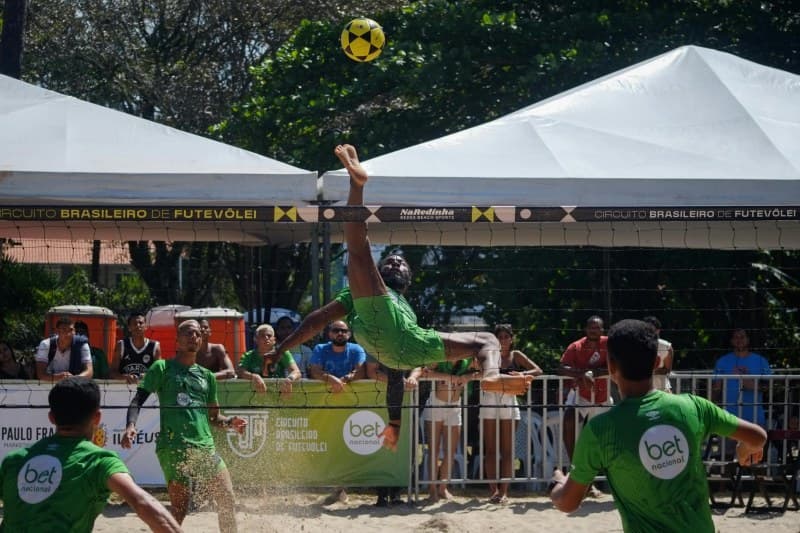
The idea that you have to be “born athletic” to excel in sports is a persistent myth. While genetics do play a role—like muscle fiber type or height—they’re not the whole story. Studies show that deliberate practice (focused, consistent training) accounts for up to 80% of skill development in sports. Even traits like endurance or speed can be improved with the right training, regardless of your starting point.
4 common sports myths debunked
Let’s break down four myths that hold people back from trying or excelling in sports:
Myth 1: You need natural talent to start a sport
Many beginners quit before they even start because they think they don’t have “what it takes.” But the truth is, most pro athletes didn’t show exceptional talent as kids. For example, Michael Jordan was cut from his high school basketball team—he built his skill through hours of practice.
Myth 2: Fast-twitch muscles are only for sprinters
Fast-twitch muscles are great for short bursts of speed, but slow-twitch muscles (for endurance) can be trained to become more efficient. Even sprinters need endurance to maintain their speed over multiple rounds, and long-distance runners can build power with interval training.
Myth3: Older people can’t get better at sports
Age is just a number when it comes to sports. A 2021 study found that adults over 50 who started a new sport (like tennis or cycling) improved their strength and agility by 25% in six months. The key is to adapt training to your body—focus on form and consistency instead of intensity.
Myth4: You have to train 24/7 to improve
Quality over quantity matters. Short, focused sessions (30-60 minutes a day) are more effective than long, unfocused ones. Rest days are also crucial—they allow your body to recover and build muscle. Even 3-4 sessions a week can lead to significant improvement.
Innate vs. Acquired: What really matters in sports?
Let’s compare the role of innate traits and acquired skills in sports:
| Aspect | Innate Traits | Acquired Skills | Impact on Performance |
|---|---|---|---|
| Muscle Fiber Type | Genetically determined (fast/slow twitch) | Can be optimized with training | Moderate—training can bridge gaps |
| Technique | None—learned through practice | Mastered via deliberate training | High—good technique beats raw talent |
| Mental Toughness | Some genetic predisposition | Built through experience and resilience | Very high—key to success in competition |
| Endurance | Baseline from genetics | Improved with consistent cardio | High—training can double your endurance |
Wisdom from the ages
“We are what we repeatedly do. Excellence, then, is not an act but a habit.” — Aristotle
This quote sums it up perfectly. Athletic excellence isn’t about being born with a gift—it’s about forming habits that build skill over time. Lila’s climbing journey is a testament to this: she practiced 3 times a week, focused on her technique, and gradually became a champion.
FAQ: Your burning questions answered
Q: I’ve never been good at sports—should I even bother trying a new one?
A: Absolutely! The key is to pick a sport that aligns with your interests, not just what you think you “should” be good at. For example, if you hate running, try swimming or yoga. Many people find their niche later in life because they focus on enjoyment first.
Q: Can I compete at a high level if I don’t have natural talent?
A: Yes! While genetics can give some people a head start, deliberate practice and mental toughness are the biggest factors in competitive success. Think of athletes like Serena Williams—she didn’t just rely on talent; she trained tirelessly to perfect her game.
Final thoughts
The next time you think “I’m not athletic enough,” remember Lila’s story. Athleticism is a skill, not a birthright. Whether you want to try a new sport or improve at an existing one, the most important thing is to start—and keep going. You might be surprised at what you can achieve.