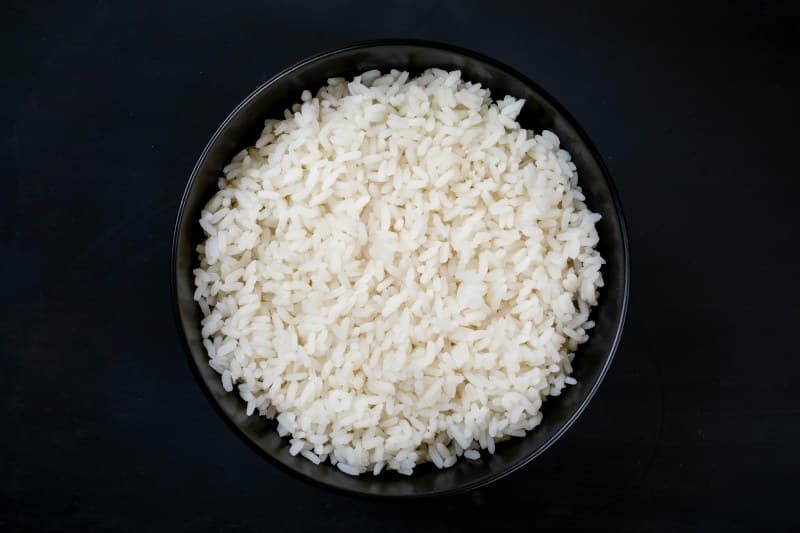
Remember the last time you tried to make sushi rice in a microwave? It came out mushy, and your rolls fell apart. Or when you needed fluffy basmati for a curry but overcooked it on the stovetop? Rice is a global staple, but getting it right depends on the method. Let’s break down the 4 most reliable ways to cook rice, so you can match the technique to your dish every time.
The 4 Go-To Rice Cooking Methods
Each method has its own superpowers. Here’s how they stack up:
| Method | Prep Time | Cook Time | Best For | Pros | Cons |
|---|---|---|---|---|---|
| Stovetop | 5 mins | 15-20 mins | Long-grain rice (basmati/jasmine), fried rice (day-old) | Full control over texture, no special tools | Requires monitoring to avoid burning |
| Rice Cooker | 5 mins | 20-25 mins | Sticky rice (sushi), daily meals | Set-it-and-forget-it, consistent results | Takes up counter space, slower than Instant Pot |
| Instant Pot | 5 mins | 10-12 mins (plus release) | All rice types, quick weeknight meals | Fast, hands-off, uses less water | Requires learning pressure release steps |
| Microwave | 3 mins | 10-15 mins | Quick side dishes, single servings | Ultra-fast, no cleanup | Texture can be inconsistent, not ideal for sticky rice |
Pro Tips to Elevate Each Method
Stovetop
Use a heavy-bottomed pot to prevent hot spots. After cooking, let it rest covered for 5 mins before fluffing with a fork—this locks in moisture.
Rice Cooker
Don’t lift the lid mid-cook! The steam is what makes the rice tender. For sushi rice, add a splash of vinegar and sugar to the cooked rice and mix gently.
Instant Pot
Use the “rice” preset and let it natural-release for 10 mins (instead of quick-release) to avoid mushy rice. For brown rice, add an extra 5 mins of cook time.
Microwave
Use a microwave-safe container with a vented lid. Stir the rice halfway through cooking to ensure even heat distribution.
Classic Wisdom on Rice
“Rice is the basis of civilization in the East.” — James Beard
James Beard, the iconic American chef, knew rice wasn’t just food—it’s a foundation. Choosing the right method honors that foundation, whether you’re making a simple bowl of rice or an elaborate feast.
Real-Life Example: Fried Rice Success
Last week, my friend Maria wanted to make fried rice for her family. She tried cooking fresh rice in the Instant Pot, but it was too moist (the grains clumped together). I told her to use stovetop-cooked rice that had been refrigerated overnight. The next day, her fried rice was crispy, with separate grains and perfectly distributed veggies—exactly what she wanted. The method made all the difference.
FAQ: Common Rice Cooking Question
Q: Do I need to rinse rice before cooking?
A: It depends. Rinsing removes excess starch, which helps prevent clumping. For sticky rice (like sushi), rinsing until the water runs clear is essential. For fluffy long-grain rice (like basmati), rinsing is optional but can improve texture. For brown rice, skip rinsing—it washes away valuable nutrients.
With these 4 methods in your toolkit, you’ll never struggle with rice again. Whether you’re in a hurry or planning a special meal, there’s a way to get perfect rice every time.