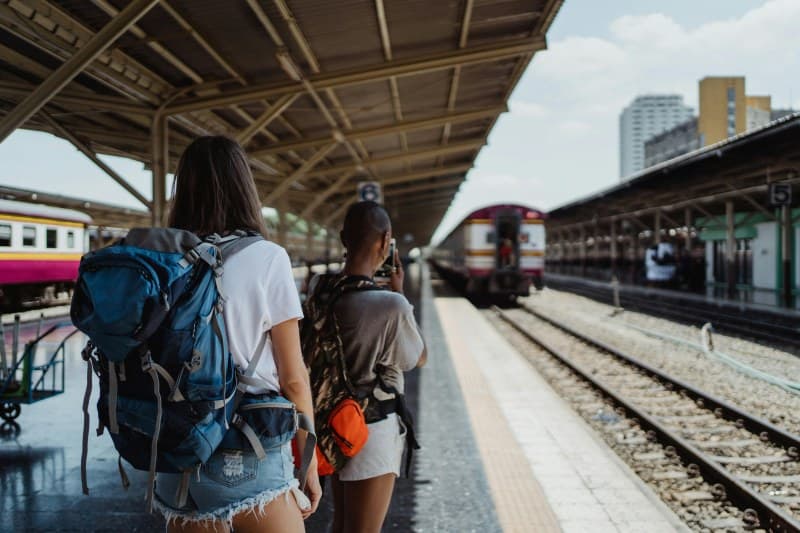
Last year, my friend Sarah visited Bangkok for the first time. She’d heard horror stories about street food making tourists sick, so she stuck to hotel restaurants every night. On her last day, a local friend dragged her to a bustling pad thai stall near Khao San Road. The vendor flipped noodles in a woks, and the air smelled like lime and peanuts. Sarah hesitated, but took a bite—and fell in love. She didn’t get sick, and later said she’d missed out on the best part of her trip.
The Truth About Street Food Safety
Street food isn’t inherently unsafe. In fact, it’s the heart of local culture in most countries. Many vendors rely on repeat customers, so they take pride in keeping their food clean and fresh. The key is knowing what to look for.
4 Common Street Food Myths Debunked
Myth 1: All street food is unsanitary
Not true! In Mexico City, I’ve eaten at taco stalls where the vendor wipes down the griddle between orders and uses fresh tortillas every time. Many street vendors follow strict hygiene practices—they just don’t have fancy kitchens to show it off.
Myth 2: Street food always causes stomach issues
Stomach problems can happen anywhere, even at a 5-star restaurant. Street food with high turnover (busy stalls) is often fresher than food sitting in a restaurant’s fridge. Plus, your gut can adjust to local bacteria after a day or two.
Myth 3: Fancy restaurants are safer
Once, I ate at a upscale restaurant in Bali that gave me food poisoning. Later, I found out their fridge was broken. Meanwhile, the street stall down the road had a line of locals—their food was fresh and safe.
Myth 4: Street food is only for budget travelers
Street food can be gourmet too! In Tokyo’s Tsukiji Outer Market, you can get melt-in-your-mouth sushi from street vendors that’s just as good as high-end restaurants. It’s not about price—it’s about flavor.
How to Spot Safe Street Food Stalls
Use this table to tell the difference between safe and risky stalls:
| Safe Street Food Signs | Risky Street Food Signs |
|---|---|
| High customer turnover (busy stall) | Empty stall with food sitting out for hours |
| Vendor uses gloves/tongs to handle food | Vendor touches food with bare hands |
| Food is covered to protect from dust/insects | Food left uncovered in open air |
| Clean utensils and preparation area | Greasy, dirty surfaces or utensils |
Why Street Food Matters
“Food is our common ground, a universal experience.” — James Beard
Street food isn’t just about eating—it’s about connecting with locals. When you eat a bowl of pho from a Hanoi street stall, you’re tasting a dish that’s been passed down for generations. It’s a way to understand the culture without speaking the language.
FAQ: Your Street Food Questions Answered
Q: What if I have dietary restrictions?
A: Most vendors are happy to adjust dishes. In India, I asked a chana masala vendor to skip the dairy, and he did it without hesitation. Just be polite and clear about your needs.
Q: How can I avoid getting sick from street food?
A: Stick to cooked foods (avoid raw salads or cold dishes), drink bottled water, and choose stalls with locals. If you’re unsure, start with small portions to test your gut.