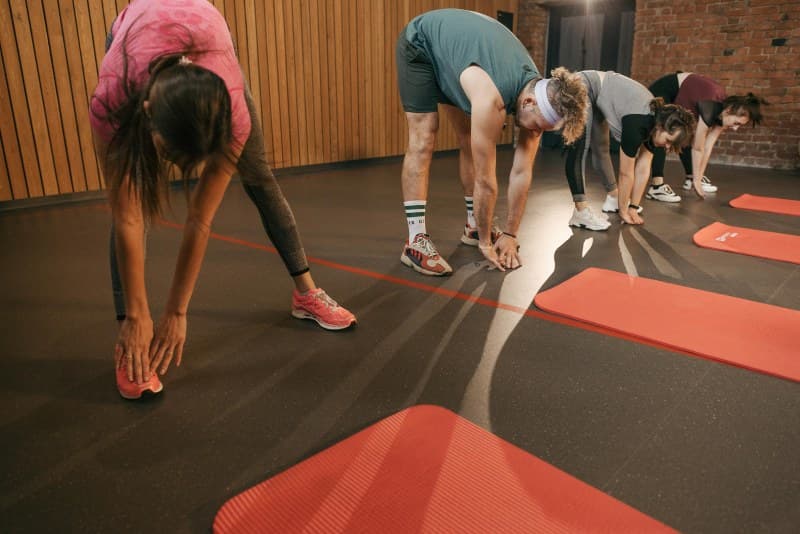
Let’s talk about Sarah. She’s a 5k runner who swears by 10 minutes of static stretches—touching her toes, holding hamstring pulls—before every run. But for months, she’s been dealing with nagging calf strains. Then a trainer suggested she swap those static holds for dynamic moves like leg swings and high knees. Within two weeks, the strains were gone. So what gives? Is the age-old advice about pre-workout stretching wrong?
The Big Myth: Does Pre-Workout Stretching Prevent Injury?
The short answer: Not the way most people do it. Static stretching (holding a position for 20+ seconds) before exercise can actually reduce muscle power and reaction time, according to studies. That’s because it relaxes the muscles you need to activate for your workout. Instead, dynamic stretching (moving through a range of motion) warms up the body, increases blood flow, and primes your muscles for action—this is what helps prevent injury.
Let’s break down the two main types of stretching:
| Type | Best Time to Use | Key Benefits | Examples |
|---|---|---|---|
| Dynamic | Before workouts | Warms muscles, boosts blood flow, improves range of motion | Leg swings, high knees, arm circles, bodyweight squats |
| Static | After workouts or rest days | Improves flexibility, reduces muscle tension, aids recovery | Hamstring holds, quad stretches, shoulder stretches |
7 Stretching Myths Debunked
- Myth 1: Static stretching before workouts prevents injury.
Truth: It can weaken muscle performance—stick to dynamic stretches pre-workout. - Myth 2: You need to hold a stretch for 60 seconds.
Truth: 20-30 seconds is sufficient for most static stretches to increase flexibility. - Myth 3: Stretching makes you weaker.
Truth: Only if done incorrectly (e.g., static before lifting weights). Post-workout static stretches don’t affect strength. - Myth 4: Flexibility can’t improve after 30.
Truth: Adults can still gain flexibility—consistency is key, even for 10 minutes a day. - Myth 5: All stretches are safe for everyone.
Truth: Avoid deep back bends if you have herniated discs, or neck stretches if you have cervical issues—always listen to your body. - Myth 6: Stretching eliminates post-workout soreness.
Truth: It can reduce soreness, but active recovery (like walking) or foam rolling is more effective. - Myth 7: You need to be flexible to start stretching.
Truth: Stretching is for everyone—even if you can’t touch your toes, starting small will help you improve over time.
"A flexible body is a flexible mind." — Joseph Pilates
This quote hits home because stretching isn’t just about physical flexibility. It’s about being in tune with your body, listening to its limits, and adapting—skills that translate to other areas of life too.
Quick Q&A: Common Stretching Questions
Q: How often should I stretch?
A: Aim for 5-10 minutes daily. If you work out, do dynamic stretches before and static after. On rest days, gentle static stretches can keep your muscles loose.
Q: Can stretching help with back pain?
A: Yes—gentle stretches like cat-cow or child’s pose can relieve tension. But if pain persists, consult a physical therapist.
Stretching is an essential part of fitness, but it’s not one-size-fits-all. By ditching the myths and focusing on the right type of stretch at the right time, you can improve your performance, prevent injury, and keep your body feeling its best. Remember: It’s not about how far you can stretch—it’s about doing it correctly.