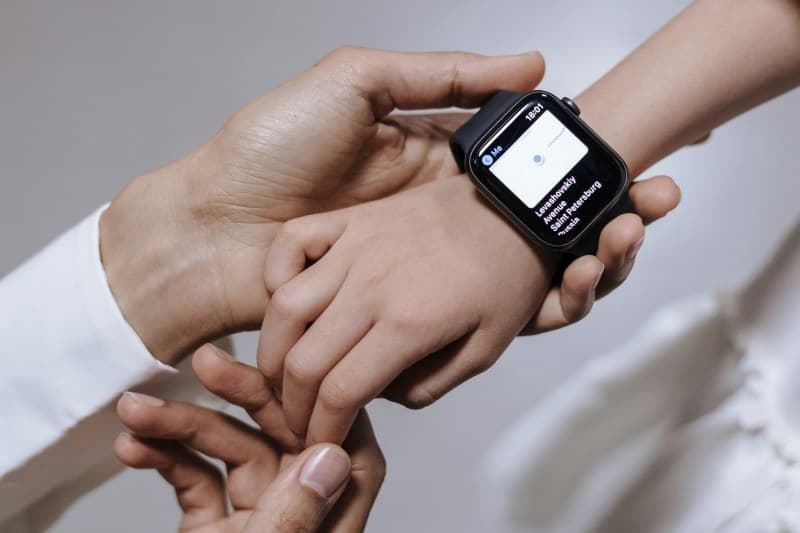
Last month, my friend Mia splurged on a shiny smartwatch, convinced it would replace her old fitness tracker. She loved the ability to check emails and send texts from her wrist, but during a 10k run, her watch died mid-tracking—leaving her without data on her pace or heart rate. She quickly realized she’d fallen for a common myth: that smartwatches are just better, all-in-one versions of fitness trackers. Let’s break down the truth and debunk 6 persistent myths about these two popular wearables.
Is a Smartwatch a Fitness Tracker Replacement? The Core Truth
Smartwatches and fitness trackers overlap in some ways—both track steps, heart rate, and sleep—but they’re built for different primary goals. Smartwatches are mini computers for your wrist: they run apps, take calls, and integrate with your phone. Fitness trackers, on the other hand, are specialized tools designed to prioritize health and fitness metrics with minimal distractions. So, can one replace the other? It depends on your needs.
6 Common Myths Debunked
Let’s clear up the confusion with these 6 myths:
- Myth 1: Smartwatches have more accurate fitness tracking. Truth: Many fitness trackers (like Garmin Forerunner models) use advanced sensors for precise metrics—think cadence, stride length, and lactate threshold—tailored to runners and athletes. Smartwatches are generalists, not specialists.
- Myth 2: Fitness trackers can’t do “smart” things. Truth: Most modern trackers (Fitbit Charge 5, Amazfit Band 7) send basic notifications for calls, texts, and app alerts. They just don’t have the full app ecosystem of a smartwatch.
- Myth 3: Smartwatches last as long as fitness trackers. Truth: Fitness trackers often last 7–14 days on a single charge. Smartwatches? Most need daily charging (Apple Watch: 18 hours; Samsung Galaxy Watch: 2 days).
- Myth4: Fitness trackers are only for serious athletes. Truth: They’re perfect for casual users too! A $50 tracker can count steps, monitor sleep, and remind you to move—no fancy features needed.
- Myth5: Smartwatches are too bulky for workouts. Truth: Models like the Apple Watch SE or Fitbit Versa 4 are lightweight (under 40g) and water-resistant, making them great for gym sessions or swims.
- Myth6: You need both to get the best of both worlds. Truth: If you want smart features (apps, payments) and fitness tracking, a smartwatch works. If you prioritize long battery life and detailed fitness metrics, stick to a tracker.
Smartwatch vs. Fitness Tracker: Key Comparison
Let’s put their features side by side to help you decide:
| Feature | Smartwatch | Fitness Tracker |
|---|---|---|
| Battery Life | 1–2 days (daily charging) | 7–14 days (infrequent charging) |
| Fitness Focus | General (runs, walks, gym) + smart features | Specialized (detailed sport metrics) |
| Smart Functions | Apps, calls, texts, payments, GPS | Basic notifications, limited apps |
| Price Range | $200–$1000+ | $50–$200 |
| Design | Sleek, customizable (bands, faces) | Simple, lightweight, clip-on or wrist-worn |
| Target User | Tech-savvy, all-in-one device lovers | Fitness-focused, battery-life prioritizers |
“The right tool for the right job saves time and effort.” — Aesop’s Fables
This classic saying hits home here. Mia’s mistake was choosing a smartwatch when she needed a tool built for long runs. After switching to a Garmin Forerunner 55 (a fitness tracker), she got 10 days of battery life and detailed running data—exactly what she needed. She now uses her smartwatch for work and the tracker for workouts, getting the best of both worlds without overspending.
FAQ: Your Burning Questions Answered
Q: If I only care about tracking steps and sleep, should I get a smartwatch?
A: No. A fitness tracker is cheaper and lasts longer. For example, the Fitbit Inspire 3 costs $99 and tracks steps, sleep, and heart rate with a 10-day battery.
Q: Can a smartwatch replace my phone during workouts?
A: LTE-enabled smartwatches (like Apple Watch Ultra 2) can make calls, send texts, and stream music without a phone—perfect for outdoor runs or gym sessions where you don’t want to carry your device.
At the end of the day, the choice between a smartwatch and fitness tracker isn’t about which is better—it’s about which fits your lifestyle. Don’t let myths guide your decision; think about what you actually need from your wearable.