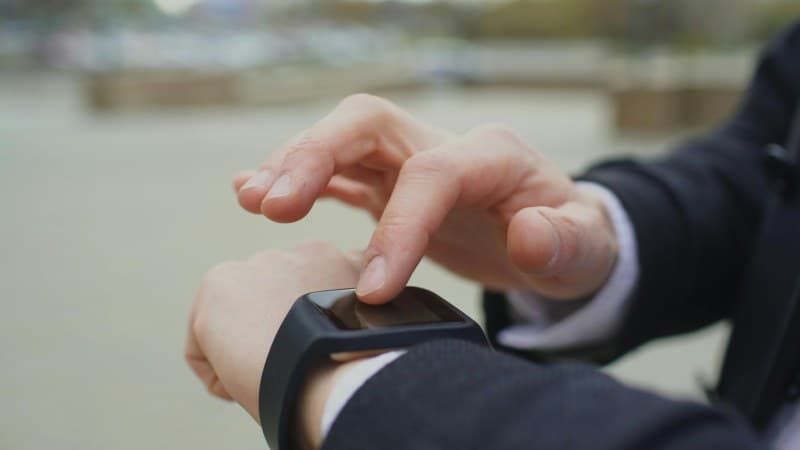
My cousin Lisa recently texted me, panicking: “Should I ditch my Fitbit for an Apple Watch? Everyone says smartwatches do everything trackers do, plus more.” Like many people, she assumed a smartwatch was a one-size-fits-all upgrade. But is that really true?
Key Differences: Smartwatch vs. Fitness Tracker
Before we debunk myths, let’s break down the core differences between these two devices. Here’s a quick comparison:
| Feature | Smartwatch | Fitness Tracker |
|---|---|---|
| Battery Life | 1-2 days (varies by model) | 5-7 days (some up to 2 weeks) |
| Core Health Tracking | Heart rate, sleep, steps, GPS (most models) | Heart rate, sleep, steps, GPS (some budget models skip GPS) |
| Smart Features | Calls, texts, app notifications, music streaming, payment apps | Basic notifications (e.g., incoming calls) on some models |
| Price Range | $150-$1,000+ | $50-$300 |
4 Myths About Smartwatches & Fitness Trackers Debunked
Myth 1: Smartwatches have the same battery life as fitness trackers
False. Most smartwatches need charging every 1-2 days because they run apps, display colorful screens, and handle calls. Fitness trackers, with their simpler displays and fewer features, can last a week or more. For example, a Fitbit Charge 5 lasts 7 days, while an Apple Watch Series 9 needs charging nightly.
Myth 2: Fitness trackers can’t do “smart” things
Partially false. Some mid-range trackers (like the Garmin Vivosmart 5) send basic notifications (incoming calls, texts) and even let you control music. But they don’t run full apps or let you make calls directly—those are smartwatch-only features.
Myth 3: Smartwatches are too bulky for intense workouts
False. Many modern smartwatches (like the Samsung Galaxy Watch 6 or Apple Watch Ultra 2) are designed for athletes. They’re water-resistant, have durable builds, and offer advanced training metrics (e.g., lactate threshold, running cadence). The Ultra 2 even has a dive mode for scuba enthusiasts.
Myth 4: You need both devices to stay healthy
False. It depends on your goals. If you’re a casual user who wants to track steps and sleep while staying connected, a smartwatch works. If you’re a serious athlete who needs long battery life and specialized training data, a fitness tracker might be better. Or, like many people, you can use a smartwatch for daily use and a tracker for races (as my friend Jake does).
A Classic Take on Choosing the Right Device
“Different tools for different tasks.” — Unknown (Common Proverb)
This proverb sums it up perfectly. Neither device is “better” overall. A smartwatch excels at keeping you connected while tracking basic health metrics. A fitness tracker shines at long battery life and focused training data. The best choice depends on what you need most.
Real-Life Example: Jake’s Triathlon Lesson
Jake, a triathlete friend, bought a high-end smartwatch thinking it would replace his fitness tracker. During a half-ironman, the smartwatch’s battery died 2 hours into the race—leaving him without GPS or heart rate data. He switched back to his old Garmin Forerunner (which lasts 10 days) for races but keeps the smartwatch for daily use to check texts and take calls on the go. “It’s not about replacing one with the other,” he says. “It’s about using the right tool for the job.”
FAQ: Common Questions
Q: I’m a casual walker—do I need a smartwatch or a fitness tracker?
A: For casual walking, a fitness tracker is ideal. It’s cheaper, has longer battery life, and tracks all the basics (steps, distance, calories). A smartwatch would be overkill unless you want extra features like receiving calls or using apps while walking.
Q: Can a smartwatch help me train for a marathon?
A: Yes—if you choose the right model. High-end smartwatches (like the Apple Watch Ultra 2 or Garmin Epix) offer advanced marathon training features: pace alerts, GPS tracking, and recovery metrics. Just make sure to charge it before long runs!