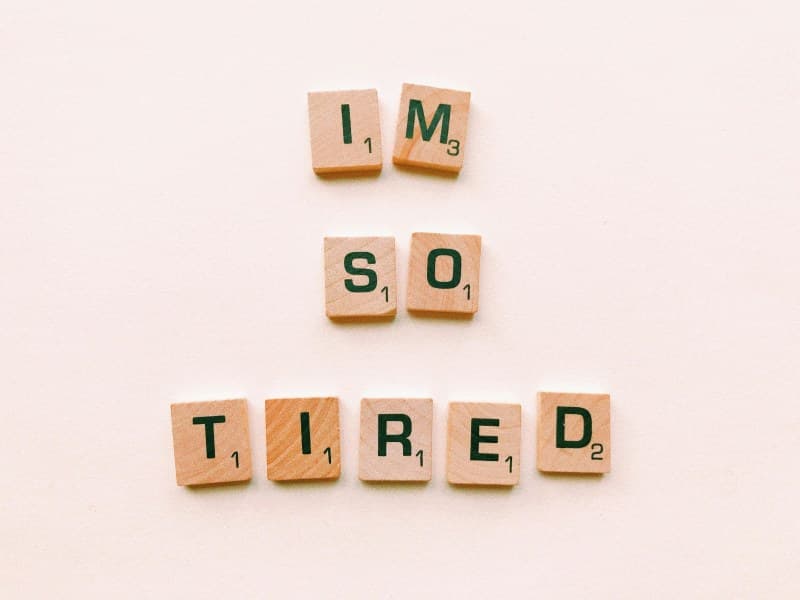
Last week, my friend Sarah complained she was drained—even though she’d clocked 8 hours every night. She’d go to bed at 10 PM, wake at 6 AM, but by 9 AM, she was reaching for her third coffee. Sound familiar? You’re not alone if you’ve slept the recommended hours but still feel sluggish. Let’s break down why this happens and how to turn things around.
Quantity vs. Quality vs. Timing: What Matters Most?
Before diving into reasons, let’s clarify three key sleep aspects that affect your energy:
| Aspect | What It Means | Impact on Energy |
|---|---|---|
| Quantity | Total hours slept (e.g., 8 hours) | Too little leads to fatigue, but enough doesn’t guarantee refreshment. |
| Quality | Depth of sleep cycles (deep vs. light sleep) | Poor quality (frequent awakenings) leaves you feeling unrested. |
| Timing | Alignment with your circadian rhythm (body clock) | Irregular timing disrupts natural sleep-wake cycles. |
7 Key Reasons You’re Tired After 8 Hours
1. Poor sleep quality: Frequent tosses, awakenings (even unnoticeable ones) break deep sleep cycles.
2. Irregular schedule: Weekends with late nights/early mornings confuse your body clock.
3. Sleep apnea: Loud snoring or pauses in breathing disrupt oxygen flow, leading to fatigue.
4. Evening diet choices: Heavy meals, caffeine, or alcohol before bed interfere with sleep.
5. Stress or anxiety: Racing thoughts keep your brain active, preventing deep sleep.
6. Lack of movement: Sedentary days reduce sleep quality and energy levels.
7. Unoptimized environment: Light, noise, or extreme temperatures in your bedroom disrupt sleep.
7 Gentle Fixes to Wake Up Refreshed
1. Track sleep quality: Use a journal or simple app to note awakenings and how you feel.
2. Stick to a schedule: Go to bed/wake up at the same time daily (even weekends).
3. Check for sleep apnea: Talk to a doctor if you snore loudly or wake up gasping.
4. Adjust your diet: Avoid heavy meals 2-3 hours before bed; cut caffeine after 2 PM.
5. Wind down routine: Try reading, meditation, or warm tea instead of screens.
6. Add daily movement: 30 minutes of walking or yoga improves sleep quality.
7. Optimize your space: Use blackout curtains, earplugs, or a fan for a cool, quiet room.
“A good laugh and a long sleep are the best cures in the doctor’s book.” — Irish Proverb
This proverb reminds us sleep isn’t just about quantity—it’s the quality that leaves you feeling recharged, just like a good laugh lifts your mood. Focusing on both can make all the difference.
Quick FAQ: Can Naps Replace Lost Sleep?
Q: I work late some nights and can’t get 8 hours—can I take a nap to make up for it?
A: Short power naps (20-30 minutes) boost alertness but don’t replace deep nighttime sleep. Avoid naps longer than 30 minutes or after 3 PM, as they disrupt your nightly cycle and leave you groggy.