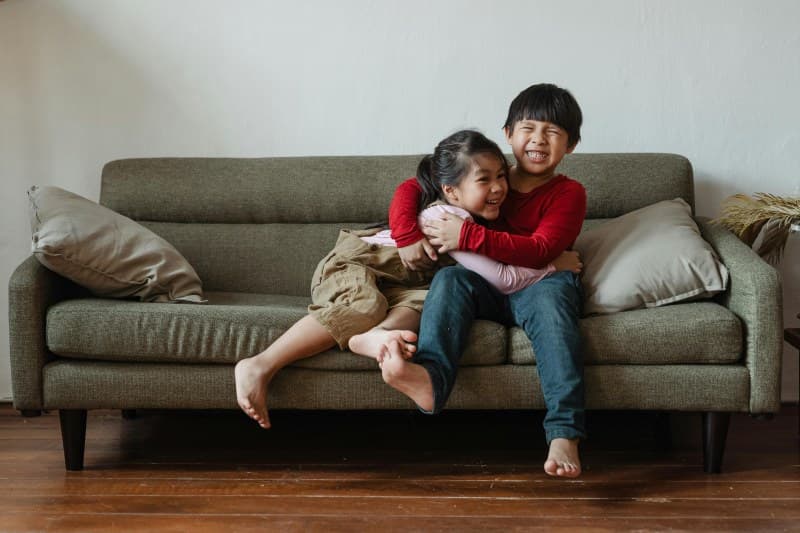
My friend Lisa and her sister Sarah still bicker about the time Sarah ‘stole’ Lisa’s favorite stuffed bear when they were 7. Now in their 30s, they laugh about it—but sometimes, the old tension creeps back, like when they argue over who gets to host their parents for Christmas. It makes you wonder: Is sibling rivalry something we outgrow, or does it stick around in different forms?
The Truth About Sibling Rivalry and Age
Many people assume sibling rivalry fades once you move out or start your own family. But the reality is more nuanced. Rivalry often shifts—from fighting over toys to debating inheritance or parenting choices—but it doesn’t always disappear. Unresolved childhood hurts can linger, and new stressors (like caring for aging parents) can reignite old tensions. That said, it’s not all bad: For many siblings, rivalry evolves into a deep, playful bond over time.
5 Common Sibling Rivalry Myths Debunked
Let’s break down what people often believe vs. what’s actually true:
| Myth | Reality |
|---|---|
| 1. Rivalry fades once you move out of the family home. | It shifts form (e.g., arguments about inheritance instead of toys) but can persist if unresolved. |
| 2. Only firstborn and youngest siblings experience rivalry. | Middle children, same-gender siblings, and even twins can have intense rivalry due to personality or life stage differences. |
| 3. Rivalry is always harmful to the relationship. | Healthy rivalry can push siblings to grow (e.g., competing in sports) and build empathy when they learn to compromise. |
| 4. Parental favoritism is the only cause of rivalry. | While favoritism plays a role, other factors like personality clashes and life events (e.g., a sibling getting more attention due to illness) contribute too. |
| 5. Adult siblings should “get over” childhood rivalry. | Ignoring past hurts leads to resentment. Addressing them with kindness and honesty is key to healing. |
“Siblings are the people we practice on, the people who teach us about fairness and cooperation and kindness and caring—quite often the hard way.” — Pamela Dugdale
This quote hits home: Sibling rivalry isn’t just about fighting—it’s about learning how to navigate relationships, even when they’re messy. Lisa and Sarah’s bear incident taught them to stand up for themselves, but it also taught them to forgive. When Lisa was in the hospital last year, Sarah flew cross-country to be by her side—proof that rivalry and love can coexist.
FAQ: Addressing Sibling Rivalry
Q: How can I fix unresolved rivalry with my sibling?
A: Start small. Pick a low-stakes moment to talk (like over coffee) and use “I” statements to avoid blame. For example: “I felt hurt when we used to fight about who got more attention, and I want us to move past that.” Listen to their side, and focus on shared memories instead of old grudges. It might take time, but it’s worth it for the bond you share.
Sibling bonds are some of the longest-lasting relationships we have. Rivalry is a normal part of that journey—what matters is how we choose to grow from it. Whether you’re bickering about a childhood toy or planning a family gathering, remember: The people who know you best are often the ones who love you most, even when they drive you crazy.