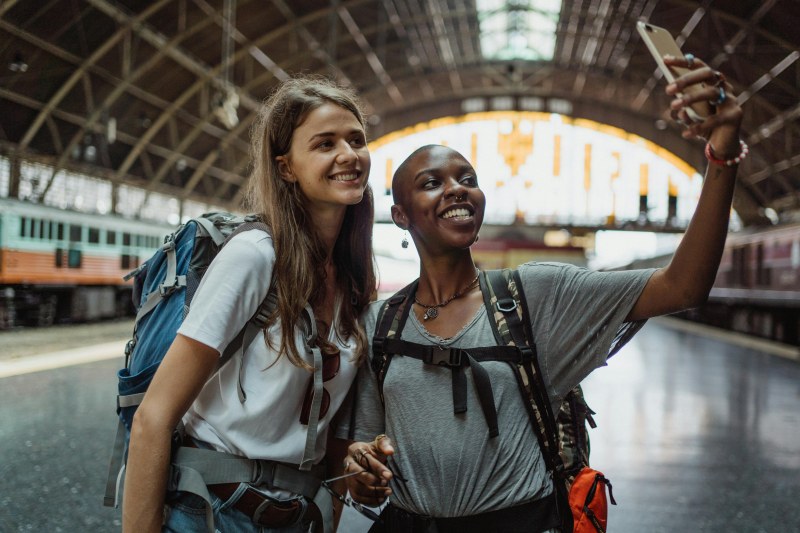
Last summer, I traveled to Bangkok without a reusable water bottle. By day three, my backpack was crammed with empty plastic bottles, and I’d spent over $15 on water—money I could’ve used for a street food feast. That’s when I realized: a reusable bottle isn’t just a travel accessory; it’s a game-changer for both my wallet and the planet.
Why Travel with a Reusable Bottle? The 2 Key Benefits
Let’s break down the two biggest reasons to ditch disposable bottles on your next trip:
Eco-Friendly: Cut Down on Plastic Waste
Every year, 8 million tons of plastic end up in our oceans—much of it from single-use water bottles. A single reusable bottle can replace 500+ disposable ones per year. That’s not just a small win; it’s a way to leave less of a footprint on the places you love.
Cost-Saving: Keep More Cash for Adventures
In tourist hotspots, a 500ml disposable bottle can cost $2–$5. Over a two-week trip, that adds up to $28–$70—money you could spend on a guided tour, a local meal, or a souvenir. Reusable bottles pay for themselves in just a few days.
Here’s a quick comparison between reusable and disposable bottles:
| Aspect | Reusable Bottle | Disposable Bottle |
|---|---|---|
| Long-Term Cost | $10–$30 (one-time) | $2–$5 per bottle (ongoing) |
| Environmental Impact | Low (reduces plastic waste) | High (ends up in landfills/oceans) |
| Convenience | Requires refills (easy in most places) | Throwaway (no refills needed) |
| Average Weight (Empty) | 200–300g (stainless steel) | 10–15g (plastic) |
Common Myths About Reusable Travel Bottles
Let’s bust two of the most persistent myths:
Myth 1: It’s Impossible to Find Refills Abroad
Truth: Most cafes, hotels, and public spaces offer free refills. In Europe, public fountains are everywhere—just look for signs that say “potable” (drinkable). In Asia, ask for “water” (e.g., “mizu” in Japan or “air” in Indonesia) at restaurants; they often give it for free, even if you’re not eating there.
Myth 2: Reusable Bottles Are Too Heavy to Carry
Truth: Modern reusable bottles are designed for travel. A 500ml stainless steel bottle weighs around 200g empty—less than a smartphone. BPA-free plastic bottles are even lighter (100–150g). You won’t notice the extra weight in your backpack.
Local Etiquette for Refilling Your Bottle
Refilling your bottle is easy, but it’s good to follow local customs:
- 🇯🇵 Japan: Always say “sumimasen” (excuse me) before asking for a refill. Most cafes will happily oblige.
- 🇮🇳 India: Avoid tap water, but use filtered water stations (common in tourist areas) or ask hotels for boiled water to fill your bottle.
- 🇪🇺 Europe: Public fountains are for drinking—feel free to fill up directly. Some fountains have a spout that tilts, making it easy to fill bottles.
“We do not inherit the earth from our ancestors; we borrow it from our children.” — Native American Proverb
This proverb reminds us that every small choice (like using a reusable bottle) helps protect the planet for future travelers. It’s not just about us—it’s about the people who will explore these places long after we’re gone.
A Story of Connection Through Reusable Bottles
My friend Sarah traveled to Bali last year with a reusable bottle. One day, she stopped at a small warung (local restaurant) and asked the owner for a refill. Instead of just giving water, he smiled and said, “You care about our island—let me give you something special.” He brought her a glass of fresh coconut water, and they ended up chatting for an hour about Balinese culture and his family. That’s the magic of small, eco-friendly choices: they can lead to unexpected connections with locals.
FAQ: Is Tap Water Safe to Drink Everywhere?
Q: Can I fill my reusable bottle with tap water in any country?
A: No. Some countries (like Mexico, India, or parts of Southeast Asia) have tap water that’s not safe to drink. To stay safe, use a filter bottle (e.g., LifeStraw or Brita) that removes bacteria and contaminants. Alternatively, ask locals or hotel staff if tap water is safe before refilling. When in doubt, stick to bottled water (but recycle the bottle if possible).
Traveling with a reusable bottle is simple, affordable, and kind to the planet. Next time you pack your bags, don’t forget to toss one in—you’ll be glad you did.