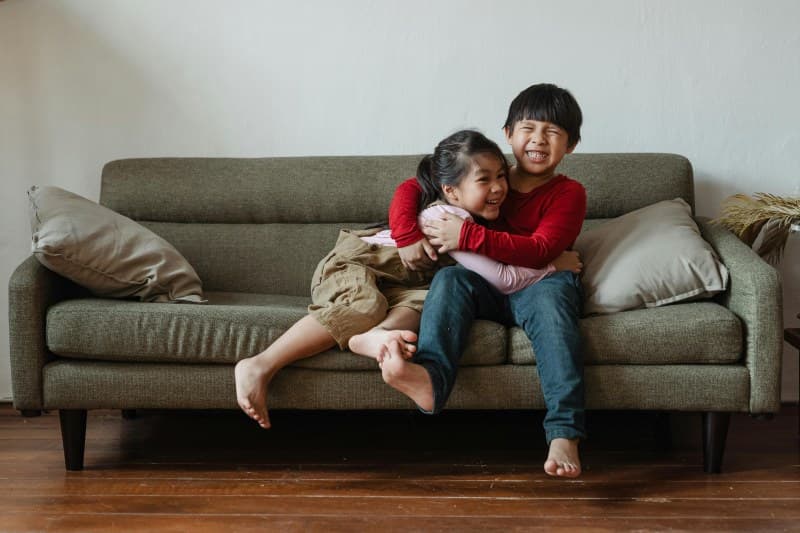
Remember the time your kids screamed over the last slice of pizza or bickered about who gets to pick the movie? It’s easy to worry these fights are ruining their bond. But is every sibling clash a sign of trouble?
The Truth About Sibling Fights
Sibling conflict is one of the most common family experiences. Studies show kids aged 3–7 fight with siblings an average of 3.5 times per hour. But here’s the surprise: not all fights are bad. They teach negotiation, compromise, and empathy—skills critical for adult relationships.
6 Common Myths About Sibling Fights (Debunked)
Let’s separate fact from fiction:
| Myth | The Truth |
|---|---|
| 1. Sibling fights mean a bad relationship. | Fights are normal—even close siblings clash. Research links occasional conflicts to stronger bonds, as kids learn to work through differences. |
| 2. All physical conflict is harmful. | Mild tussles (like pushing over a toy) are usually harmless. But repeated aggressive harm (hitting with objects) needs intervention. |
| 3. Parents should always take sides. | Taking sides breeds resentment. Instead, guide kids to find their own solutions (e.g., “How can you both get a turn with the game?”). |
| 4. Sibling rivalry fades as kids grow up. | Rivalry can continue into adulthood but often shifts to subtle forms (career comparisons). Healthy communication keeps it non-toxic. |
| 5. Only kids have better social skills. | Siblings provide constant practice in conflict resolution. Studies show kids with siblings often have stronger peer relationships. |
| 6. Sibling fights are a sign of bad parenting. | No—even attentive parents can’t prevent all fights. What matters is teaching problem-solving instead of punishing. |
A Classic Take on Sibling Bonds
“Siblings are the only enemy you can’t live without.” — Unknown
This saying captures the sibling paradox: they fight, but they’re each other’s first friends. My niece and nephew once fought for an hour over a bike, but when a stranger teased my niece at the park, my nephew stepped in to defend her. That’s the bond forged through conflict.
When to Step In (And When to Let Go)
Knowing when to intervene is key:
- Step in if: There’s physical harm, verbal abuse (name-calling), or one child is being bullied.
- Let go if: The fight is over a trivial matter (snack, toy) and both kids are calm enough to negotiate.
FAQ: Common Question About Sibling Fights
Q: My kids fight every day—should I be worried?
A: Not necessarily. If fights are short, harm-free, and kids make up quickly, it’s normal. If fights are constant, aggressive, or leave a child upset for hours, consult a child development specialist.
Fostering Healthy Sibling Conflict
Turn fights into learning opportunities:
- Set clear rules: No hitting, no name-calling.
- Teach empathy: Ask, “How do you think your sibling feels right now?”
- Encourage teamwork: Assign shared tasks (baking cookies, cleaning the playroom) to build cooperation.
Sibling fights aren’t perfect, but they’re part of growing up. Instead of seeing them as a problem, think of them as a chance for kids to learn life skills. The siblings who fight today might be the ones supporting each other through life’s biggest challenges tomorrow.