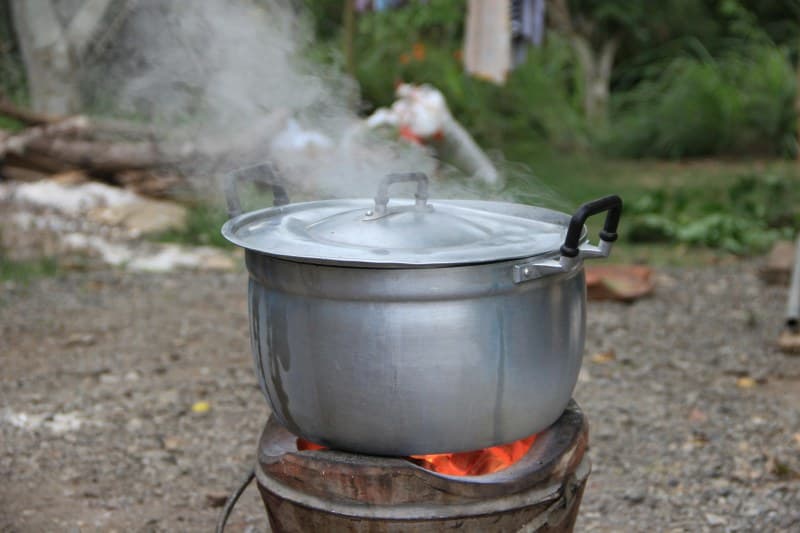
Last week, I watched my roommate dump a handful of salt into a pot of water before turning on the stove. “It makes it boil faster,” she said, stirring. I didn’t want to burst her bubble, but I knew the science told a different story. Let’s break down this common myth and others about cooking water.
The Salt Boil Myth: What We Actually Know
Here’s the science: Adding salt to water raises its boiling point. For every tablespoon of salt per quart of water, the boiling point increases by about 0.5°C (1°F). That means it takes longer to reach a boil—not faster. So why do chefs add salt? For flavor. Salt enhances the taste of whatever you’re cooking (like pasta or veggies) and, once boiling, the higher temperature cooks food slightly faster. The myth mixes up two effects: longer boil time vs. faster cooking once boiling.
4 Common Cooking Water Myths (And Their Truths)
Let’s look at four other myths about cooking water and what’s really going on:
| Myth | The Truth | Practical Tip |
|---|---|---|
| Salt makes water boil faster | No—it raises boiling point, so it takes longer to boil. | Add a pinch of salt for flavor, not speed. |
| Always boil water before adding pasta | Yes—cold water can make pasta stick, and boiling water ensures even cooking. | Wait for a rolling boil before adding pasta. |
| Cold water is better for boiling veggies | Yes—cold water allows veggies to heat slowly, retaining nutrients and color. | Start veggies in cold water for crisp-tender results. |
| Boiling water kills all bacteria | Most, but not all (like botulism spores). It needs 10 minutes at boiling to kill spores. | Boil canned goods for 10 minutes if you’re unsure of their safety. |
“A watched pot never boils.” — English Proverb
This old saying isn’t just about patience—it’s a reminder that rushing cooking (like adding salt to speed boiling) often backfires. Instead, cover your pot to trap heat and cut wait time by 20-30%.
Practical Takeaways for Your Kitchen
My friend Sarah used to add a cup of salt to her pasta water, thinking it would save time. After learning the truth, she switched to a small pinch (about 1 teaspoon per quart) for flavor and started covering her pot. She found her pasta cooked just as fast, and her dishes tasted better without the excess salt. Another win: covering the pot reduced her energy use, too.
FAQ: Your Burning Cooking Water Questions Answered
Q: Should I use hot or cold water to boil eggs?
A: Cold water! Starting eggs in cold water prevents them from cracking and makes peeling easier. The slow heat allows the egg white to set evenly around the yolk.
Q: Does adding oil to pasta water prevent sticking?
A: No—oil floats on top and doesn’t coat the pasta. Instead, stir the pasta immediately after adding it to the boiling water to prevent sticking.
Next time you’re in the kitchen, remember: cooking water is more about flavor and technique than quick fixes. Take your time, and your meals will taste better for it.