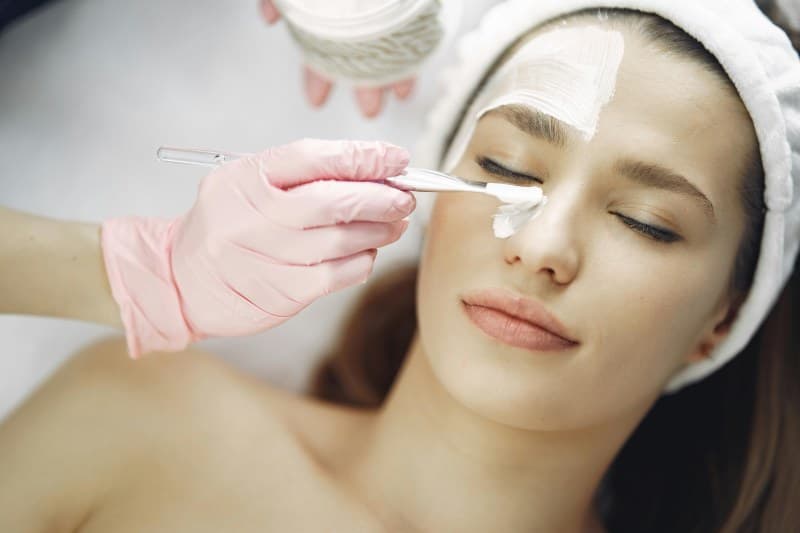
Let’s start with Sarah’s story: She had oily T-zone skin and swore off facial oils for years, thinking they’d make her shine worse. Then her esthetician suggested a lightweight jojoba oil. Skeptical, she tried 2 drops after her toner—within a week, her skin felt balanced, and the midday shine was gone. Turns out, facial oils aren’t one-size-fits-all, and many people miss out on their benefits because of myths.
What Are Facial Oils, Anyway?
Facial oils are concentrated plant-based (or synthetic) liquids that mimic your skin’s natural sebum. They help lock in moisture, protect the skin barrier, and deliver nutrients like vitamins A, C, and E. The key is choosing the right oil for your skin type.
2 Key Formulations: Lightweight vs. Rich Oils
Not all facial oils are the same. Here’s a breakdown of the two main types:
| Formulation Type | Best For Skin Types | Key Benefits | Application Tip |
|---|---|---|---|
| Lightweight (e.g., Jojoba, Grapeseed) | Oily, combination, acne-prone | Balances sebum production, absorbs fast, non-greasy | Apply 2-3 drops after toner, before moisturizer |
| Rich (e.g., Argan, Rosehip Seed) | Dry, mature, sensitive | Deep hydration, reduces fine lines, soothes irritation | Apply 3-4 drops after moisturizer, or mix with moisturizer |
Busting Common Facial Oil Myths
Myth 1: Oils make oily skin oilier.
Truth: Lightweight oils like jojoba mimic your skin’s sebum, so your skin produces less of its own. Sarah’s story is proof—her oily skin calmed down after using jojoba oil.
Myth 2: Oils clog pores.
Truth: Only comedogenic oils (like coconut oil for some people) clog pores. Non-comedogenic oils (jojoba, grapeseed) are safe for most skin types.
How to Add Facial Oil to Your Routine
- 💡 Patch test first: Apply a drop on your inner arm and wait 24 hours to check for irritation.
- 💡 Use the right amount: Too much can leave a greasy residue—stick to 2-4 drops.
- 💡 Layer correctly: Lightweight oils go before moisturizer; rich oils go after (or mix with moisturizer for dry skin).
“Self-care is not selfish. You cannot serve from an empty vessel.” — Eleanor Brownn
This quote rings true for facial oil use. Taking 30 seconds to apply oil is a small act of self-care that nourishes your skin and helps you feel confident in your own skin.
FAQ: Your Facial Oil Questions Answered
Q: Can I use facial oil if I have acne-prone skin?
A: Yes! Choose non-comedogenic oils like jojoba or tea tree (diluted with a carrier oil). They can help reduce inflammation and regulate oil production. Avoid heavy oils like coconut if you’re prone to breakouts.
Whether you’re new to facial oils or have avoided them in the past, there’s an oil out there for you. Start with a small amount, pick the right formulation, and watch your skin glow.