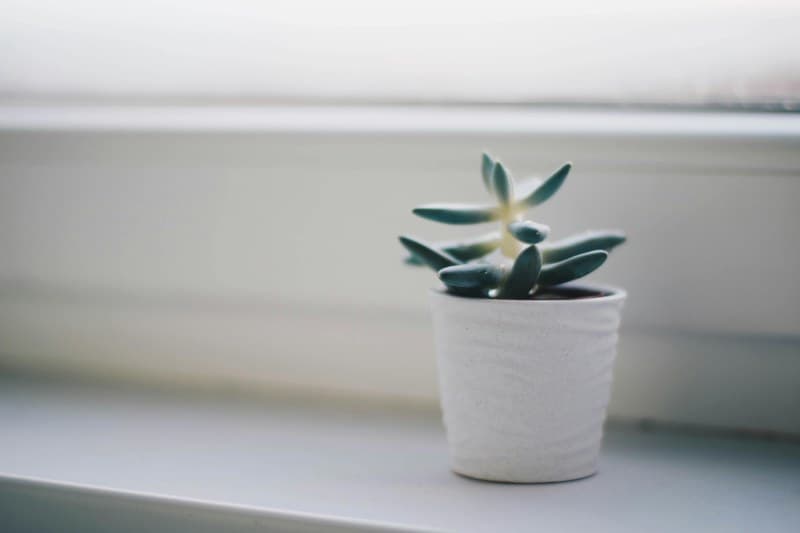
Last month, my friend Lila threw out her succulent, convinced she’d drowned it with too much water. Turns out, she’d forgotten to water it for three weeks—its crispy leaves were a sign of thirst, not overhydration. This got me thinking: how many of us buy into plant care myths that kill our green friends?
Is Overwatering the Only Way to Kill Houseplants? The Truth
Overwatering is a top plant killer, but it’s far from the only one. Plants can die from underwatering, too much light, pest infestations, or even nutrient deficiencies. The key is to read your plant’s signals instead of following generic rules.
4 Common Houseplant Care Myths Debunked
Myth 1: Overwatering is the only plant killer
Truth: Underwatering is just as deadly. For example, succulents and cacti store water in their leaves—skip watering for too long, and they’ll dry out. Lila’s succulent was a perfect example.
Myth 2: All plants need direct sunlight
Truth: Many popular houseplants (like pothos, snake plants, and ZZ plants) thrive in indirect light. Placing them in direct sun can scorch their leaves.
Myth 3: Water on a strict schedule
Truth: Soil moisture matters more than a calendar. A plant in a small pot will dry out faster than one in a large pot. Check by sticking your finger 1-2 inches into the soil—if it’s dry, water.
Myth 4: Yellow leaves = overwatering
Truth: Yellow leaves can mean many things. If the leaves are yellow and mushy, it’s overwatering. If they’re yellow and crispy, it’s underwatering. Sometimes, it’s a lack of nutrients (like nitrogen).
Here’s a quick breakdown of the myths, their truths, and how to fix the issue:
| Myth | Truth | Fix |
|---|---|---|
| Overwatering is the only killer | Underwatering, light issues, pests kill too | Check soil moisture, inspect leaves, look for pests |
| All plants need direct sun | Many prefer indirect light | Research your plant’s light needs; place in filtered sun |
| Water on a schedule | Soil moisture is key | Stick finger into soil (1-2 inches) — water if dry |
| Yellow leaves = overwatering | Can be underwatering or nutrient deficiency | Check soil/leaf texture; fertilize if needed |
“The best time to plant a tree was 20 years ago. The second best time is now.” — Chinese Proverb
This applies to plant parents too. Even if you’ve killed a few plants, don’t give up. Every mistake teaches you something about what your plants need.
Quick Q&A: Common Plant Parent Questions
Q: How do I tell if my plant is overwatered or underwatered?
A: Overwatered plants have soggy soil and yellow, mushy leaves. Underwatered plants have dry soil and crispy, wilted leaves. For succulents, overwatered leaves are soft/translucent; underwatered ones are shriveled.
Q: Do I need to fertilize my houseplants?
A: Yes, but not too often. Most houseplants need fertilizer once every 2-4 weeks during spring/summer. Use a balanced liquid fertilizer diluted to half strength.
Taking care of houseplants isn’t about following strict rules—it’s about listening to your plants. Next time you see a yellow leaf, don’t immediately reach for the watering can. Pause, check the soil, and observe. Your green friends will thank you.