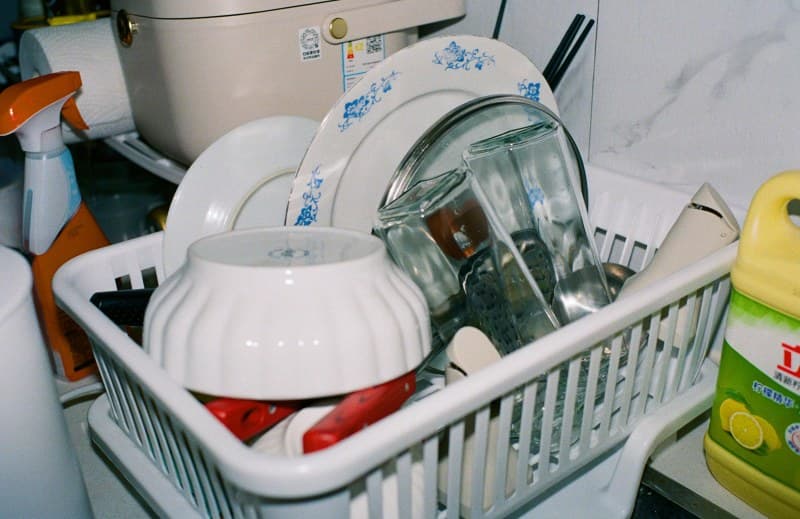
Last week, I watched my roommate squeeze half a bottle of dish soap into the sink for a load of 10 plates and 2 bowls. When she finished, the dishes still had a greasy film, and she was frustrated. Turns out, she believed the biggest dishwashing myth: more soap = cleaner. Let’s break down that myth and 6 others to make your dishwashing easier (and less wasteful).
The Big Myth: More Soap = Cleaner Dishes?
Suds look like they’re doing work, but they’re just air bubbles trapped in soap. Too much soap creates a sticky residue that’s hard to rinse off—leaving dishes feeling greasy even after washing. The sweet spot? A teaspoon of liquid soap for hand washing, or a single pod for a full dishwasher load.
Hand vs. Dishwasher: Which Saves More?
Let’s compare three common methods to see which is most efficient:
| Method | Soap Usage | Time (per load) | Pros | Cons |
|---|---|---|---|---|
| Hand Washing (no soak) | High (easy to overuse) | 15-20 mins | Immediate results, good for delicate items | Wastes water, tiring for large loads |
| Hand Washing (with soak) | Medium | 10-15 mins (plus 10 mins soak) | Less scrubbing, uses less soap | Requires planning (soak first) |
| Dishwasher (full load) | Low (pre-measured) | 30-60 mins (hands-off) | Saves time, uses 50% less water than hand washing | Not ideal for large pots or fragile glass |
7 Dishwashing Myths Debunked
- Myth 1: More soap = cleaner → As we saw, excess soap leaves residue.
- Myth 2: Hotter water is always better → Water over 120°F burns hands and doesn’t clean better; 100-110°F is ideal.
- Myth 3: Rinse dishes before the dishwasher → Modern dishwashers have sensors; pre-rinsing wastes water and makes detergent less effective.
- Myth 4: Plastic can’t go in the dishwasher → Check the label! Most BPA-free plastics are safe (use the top rack).
- Myth 5: Scrub hard to remove food → Gentle scrubbing with a soft sponge works better; hard scrubbing scratches dishes.
- Myth 6: Dishcloths are always clean → They harbor bacteria if not washed weekly; use paper towels for raw meat messes.
- Myth 7: Drying with a towel is better → Towels leave lint and spread bacteria; air-drying is more hygienic.
A Classic Wisdom on Waste
“Waste not, want not.” — Traditional Proverb
This old saying fits perfectly here. Wasting soap or water doesn’t make dishes cleaner—it just creates more work (like re-rinsing sticky plates) and costs you money. Small, intentional choices (like using the right amount of soap) go a long way.
Quick Q&A: Pods or Liquid Soap?
Q: Should I use dishwasher pods or liquid soap for my dishwasher?
A: Pods are convenient (pre-measured, no mess) but can be pricier. Liquid soap is cheaper and lets you adjust the amount (great for small loads). If you have hard water, pods with built-in water softeners are a smart pick.
Dishwashing doesn’t have to be a chore. By ditching these myths, you’ll save time, money, and water. Next time you’re at the sink, remember: less soap, smarter methods, and a little patience go a long way.