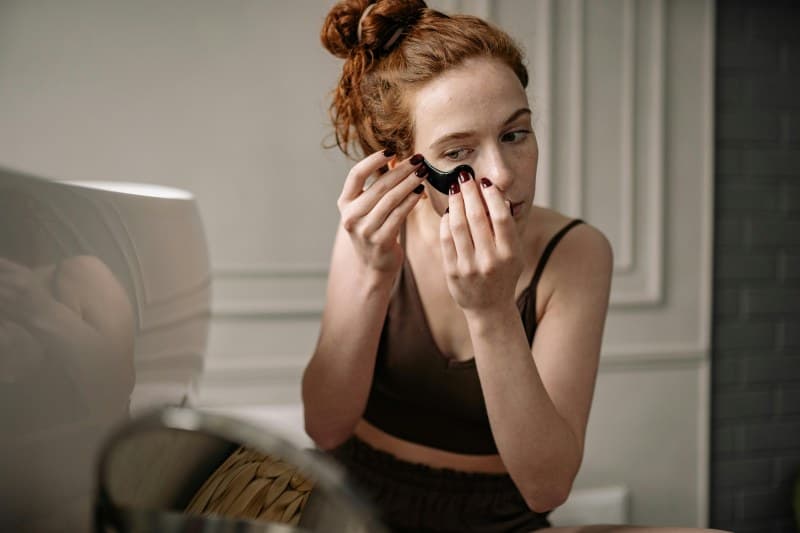
Last month, my friend Emma splurged on a $150 luxury serum she saw all over social media. She thought it’d finally fix her persistent acne—after all, if it cost that much, it must work, right? Two months later, her breakouts were still there. Then she tried a $12 drugstore spot treatment with salicylic acid, and within a week, her skin started clearing up. That’s the thing about skincare: price tag doesn’t always equal results.
The Truth About Price vs. Performance
To understand why expensive products aren’t always better, let’s break down the key differences between luxury and budget skincare:
| Aspect | Luxury Skincare | Budget Skincare |
|---|---|---|
| Active Ingredients | May use the same ingredients (e.g., retinol, hyaluronic acid) as budget brands, but sometimes in higher concentrations. | Often uses identical active ingredients at effective concentrations—just without the fancy branding. |
| Packaging | Uses premium materials (glass, metallic tubes) that look sleek but add to cost. | Uses simple plastic or cardboard packaging to keep prices low. |
| Branding Cost | Includes marketing, celebrity endorsements, and high-end store placements. | Focuses on affordability, so less money goes to marketing. |
| Accessibility | Available at department stores or online luxury retailers. | Found at drugstores, supermarkets, and affordable online shops. |
4 Common Myths Debunked
Myth 1: Expensive products have better ingredients
Not necessarily. For example, hyaluronic acid— a popular moisturizing ingredient— is used in both $50 serums and $10 drugstore lotions. The difference? The luxury version might have a fancier delivery system, but the core ingredient does the same job: hydrate skin.
Myth 2: You need a 10-step routine to see results
Overloading your skin with products can actually cause irritation. A simple routine—cleanser, moisturizer, and sunscreen— is often enough for healthy skin. My cousin, who has dry skin, switched from a 7-step luxury routine to a 3-step budget one and noticed her skin was less flaky.
Myth 3: “Natural” = better (and more expensive)
Natural ingredients aren’t always safer or more effective. For instance, synthetic niacinamide (a common budget ingredient) is great for reducing redness, while some natural oils can clog pores. Don’t pay extra just for the “natural” label.
Myth 4: More products = clearer skin
Using too many products can disrupt your skin’s natural barrier. A friend of mine used 5 different acne products at once, and her skin got worse—she was over-drying it. Cutting back to one gentle cleanser and a spot treatment fixed the issue.
“Simplicity is the ultimate sophistication.” — Leonardo da Vinci
This quote rings true for skincare. You don’t need a shelf full of pricey products to get great skin—focus on what works for your skin type, not the price tag.
FAQ: Your Skincare Cost Questions Answered
Q: I have sensitive skin—should I only use luxury products?
A: No! Look for products labeled “fragrance-free” and “hypoallergenic.” Many budget brands (like CeraVe or La Roche-Posay) offer these, and they’re often gentler because they skip unnecessary additives. My sister has sensitive skin and swears by a $15 CeraVe moisturizer.
Final Tips for Smart Skincare Shopping
1. Read labels first: Look for active ingredients that target your concerns (e.g., salicylic acid for acne, hyaluronic acid for dryness).
2. Test before buying: Use sample sizes or apply a small amount to your inner arm to check for irritation.
3. Don’t fall for hype: Just because a product is trending doesn’t mean it’s right for you.
At the end of the day, clear skin is about using the right products for your skin—not the most expensive ones. Emma’s story proves that sometimes the best solution is simple and affordable.