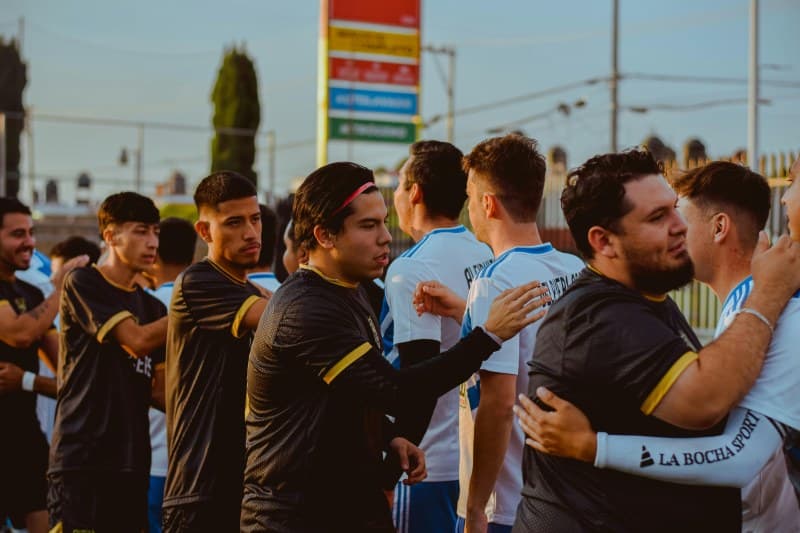
Mia stood on the soccer field, her hands shaking so bad she could barely grip her water bottle. It was her first regional final, and even though she’d practiced the game-winning shot a hundred times, her stomach churned like a washing machine. She wasn’t alone—her captain, a senior who’d played in three finals, was pacing the sidelines, muttering to herself. Pre-game jitters don’t care if you’re a beginner or a pro; they just show up.
Why Pre-Game Jitters Happen (Even to Legends)
It all starts in your brain. When you’re about to compete, your body triggers the fight-or-flight response—a leftover from our caveman days. Adrenaline floods your system, making your heart race and hands shake. But there’s more to it: the pressure to perform for your team, the fear of letting others down, or even the excitement of a big moment can amplify those feelings. LeBron James once said he still gets nervous before playoff games—so if the King feels it, you’re in good company.
5 Ways to Calm Jitters and Play Your Best
You can’t make jitters disappear entirely, but you can turn them into fuel. Here are 5 practical, science-backed techniques:
- 4-7-8 Breathing: Inhale for 4 seconds, hold for 7, exhale for 8. This slows your heart rate and activates your body’s relaxation response. Mia used this 5 minutes before kickoff—her hands stopped shaking almost immediately.
- Visualization: Close your eyes and imagine yourself nailing that shot or making the perfect pass. Studies show this primes your brain for success. The senior captain visualized herself intercepting the opponent’s cross, which she did in the second half.
- Physical Warm-Up: A light jog or dynamic stretches burns off excess adrenaline. It also gets your muscles ready, so you feel more in control.
- Positive Self-Talk: Replace “I’ll mess up” with “I’ve practiced this.” Your brain believes what you tell it—so feed it good vibes.
- Focus on the Process, Not the Outcome: Instead of thinking about winning, concentrate on the next play. Did you pass the ball well? Did you stay in position? Small wins add up.
Here’s a quick comparison to help you pick what works best:
| Technique | Time to Work | Best For | Effort Level |
|---|---|---|---|
| 4-7-8 Breathing | 1-2 mins | Last-minute calm (penalty kicks, free throws) | Low |
| Visualization | 5-10 mins | 30 mins before game start | Medium |
| Physical Warm-Up | 10-15 mins | 1 hour before game | High |
| Positive Self-Talk | On-the-go | During breaks or lulls | Low |
| Process Focus | Throughout game | Maintaining calm mid-play | Medium |
“I’ve missed more than 9000 shots in my career. I’ve lost almost 300 games. 26 times, I’ve been trusted to take the game-winning shot and missed. I’ve failed over and over and over again in my life. And that is why I succeed.” — Michael Jordan
This quote reminds us that jitters often come from fear of failure. But failure is just part of the journey. Mia missed her first shot of the game, but she didn’t let it get to her—she focused on the next play and scored the winning goal in the final minute.
Common Q&A: Are Jitters Always Bad?
Q: I get nervous before every game—should I be worried?
A: No! Mild jitters are actually good. They boost your alertness and focus, helping you react faster. It’s only when they become overwhelming (like Mia’s initial hand shaking) that you need to use calming techniques. Embrace the butterflies—they mean you care.
Pre-game jitters are a sign you’re ready to give your best. Next time they hit, try one of these techniques. Remember: even the greatest athletes feel them. It’s how you handle them that makes all the difference.