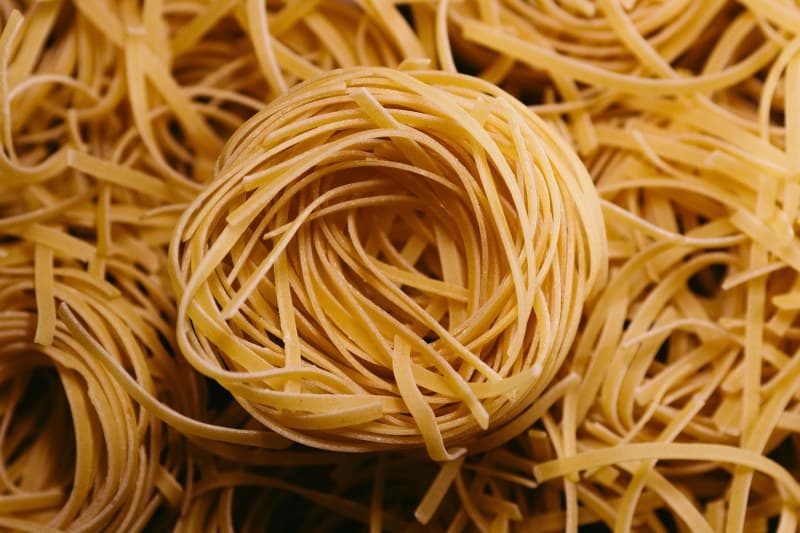
Last month, my friend Sarah decided to cut all carbs from her diet to lose weight. She swapped her morning oatmeal for eggs, skipped rice with dinner, and even avoided bananas (her favorite snack). At first, she dropped a few pounds—mostly water weight, as it turns out. But within a week, she was irritable, tired, and craving a slice of bread so badly she almost caved at the grocery store. Is carbs really the enemy of weight loss? Let’s dig in.
The Truth About Carbs and Weight Gain
Carbohydrates are one of the body’s primary energy sources—they fuel your brain, muscles, and daily activities. The idea that carbs directly cause weight gain is a oversimplification. Weight gain happens when you consume more calories than you burn, no matter where those calories come from. If you eat too many carbs (like a whole pizza in one sitting) or too many fats (a bag of chips), you’ll gain weight. But if you choose the right carbs in moderation, they can actually support weight management by keeping you full longer.
Two Common Carb Myths Debunked
Myth 1: All Carbs Are Bad
This is the most persistent myth. Carbs come in two main types: complex and simple. Complex carbs (like whole grains, sweet potatoes, and legumes) are packed with fiber, vitamins, and minerals. They digest slowly, keeping your blood sugar stable and curbing cravings. Simple carbs (like soda, pastries, and white bread) are refined and lack nutrients—they spike blood sugar and leave you hungry soon after. So it’s not carbs themselves that are bad; it’s the type and amount you eat.
Myth 2: Cutting Carbs Is the Only Way to Lose Weight
Low-carb diets can lead to short-term weight loss, but they’re often hard to maintain long-term. A 2020 study in the Journal of the American Medical Association found that people on balanced diets (including healthy carbs) lost just as much weight over a year as those on low-carb diets. For example, the Mediterranean diet—rich in whole grains, fruits, and veggies—has been linked to sustainable weight loss and better overall health.
Complex vs. Simple Carbs: A Quick Comparison 🍞
Here’s how the two types stack up:
| Type | Examples | Key Benefits | Potential Downsides |
|---|---|---|---|
| Complex Carbs | Quinoa, brown rice, sweet potatoes, lentils, broccoli | High in fiber, stabilizes blood sugar, keeps you full | May take longer to prepare (e.g., cooking quinoa) |
| Simple Carbs | Soda, candy, white bread, pastries, fruit juice (without pulp) | Quick energy boost | Spikes blood sugar, leads to cravings, low in nutrients |
Wisdom from the Ages
“Let food be thy medicine and medicine be thy food.” — Hippocrates
This ancient quote reminds us that the food we eat directly impacts our health. Choosing complex carbs over simple ones is a perfect example: they nourish our bodies, support energy levels, and help maintain a healthy weight—all without depriving ourselves.
FAQ: Your Carb Questions Answered 💡
Q: How many carbs should I eat daily?
A: It depends on your activity level and goals. The Dietary Guidelines for Americans recommend that 45-65% of your daily calories come from carbs. For someone eating 2000 calories a day, that’s 225-325 grams of carbs. Focus on filling most of that with complex carbs.
Practical Tips for Healthy Carb Consumption
1. Swap white bread for whole-grain bread.
2. Add legumes (chickpeas, lentils) to soups or salads for extra fiber.
3. Choose fruits over fruit juice—they have more fiber and less sugar.
4. Limit processed carbs (like chips and pastries) to occasional treats.
Remember: Carbs aren’t the enemy. It’s all about making smart choices. Next time you reach for a snack, grab an apple (complex carb) instead of a candy bar (simple carb)—your body will thank you.