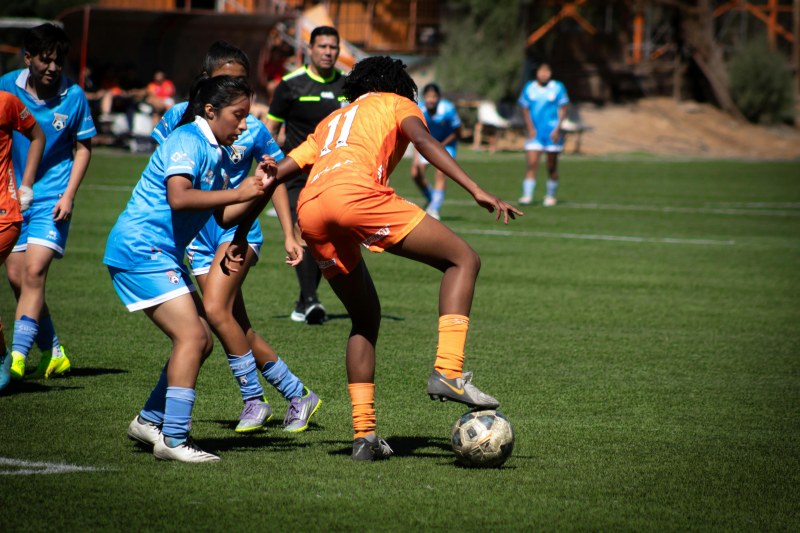
Last month, my friend Lisa joined a rec soccer league. She was so excited to play that when her knee started twinging mid-game, she brushed it off—after all, she’d heard 'no pain no gain' a hundred times. By the next day, she could barely walk. Turns out, that myth cost her two weeks of playing. Casual sports should be fun, not painful. Let’s break down six myths that trip up players like Lisa, and what science says to do instead.
6 Sports Myths vs. Reality: A Quick Guide
Here’s a side-by-side look at the most persistent myths, their truths, and easy fixes:
| Myth | Reality | Science-Backed Fix |
|---|---|---|
| No pain no gain | Pain is your body’s warning sign, not a badge of honor. | Stop activity if pain lasts more than 10 minutes; ice the area and rest. |
| Static stretching before exercise prevents injury | Static stretches (holding a pose) can weaken muscles temporarily. | Do dynamic warm-ups: leg swings, arm circles, or high knees to get blood flowing. |
| Sweating a lot means a better workout | Sweat is just your body cooling down—amount doesn’t equal effort. | Focus on your heart rate (aim for 60-80% of max) or how tired your muscles feel. |
| More reps = better results | Form matters way more than quantity; bad form leads to injury. | Do fewer reps with correct form (e.g., keep your back straight during squats) instead of rushing. |
| You need a gym to get fit | Bodyweight exercises (push-ups, squats, walking) are just as effective for casual players. | Try a 20-minute home routine: 10 squats, 10 push-ups, 15-minute walk. |
| Sports drinks are better than water for all workouts | Sports drinks add unnecessary sugar unless you’re exercising for over 60 minutes. | Stick to water for short sessions; use sports drinks only for long games or runs. |
Why Do These Myths Stick Around?
Most myths are simple to remember, so they get passed around—like how your dad told you to stretch before baseball practice. Others come from old studies that have since been updated. For example, early stretching research focused on elite athletes, not casual players, so the advice doesn’t apply.
A Classic Take on Questioning Myths
It is the mark of an educated mind to be able to entertain a thought without accepting it. — Aristotle
This quote fits perfectly here. Just because everyone says something doesn’t mean it’s true. Next time you hear a sports tip, ask: Is this based on science, or just a old habit?
FAQ: A Common Question from Casual Players
Q: I’m a casual runner—should I splurge on expensive running shoes to avoid injury?
A: Not necessarily. The key is fit, not price. Ill-fitting shoes can cause blisters or knee strain, but you don’t need the latest model. Go to a local running store: they’ll watch you walk/run and recommend shoes that support your foot type. A $50 pair that fits well is better than a $200 pair that doesn’t.
Final Thought: Keep It Fun
Casual sports are about staying active and connecting with others, not hitting perfect reps or pushing through pain. Next time you lace up your shoes, remember: listen to your body, question the myths, and enjoy the game.