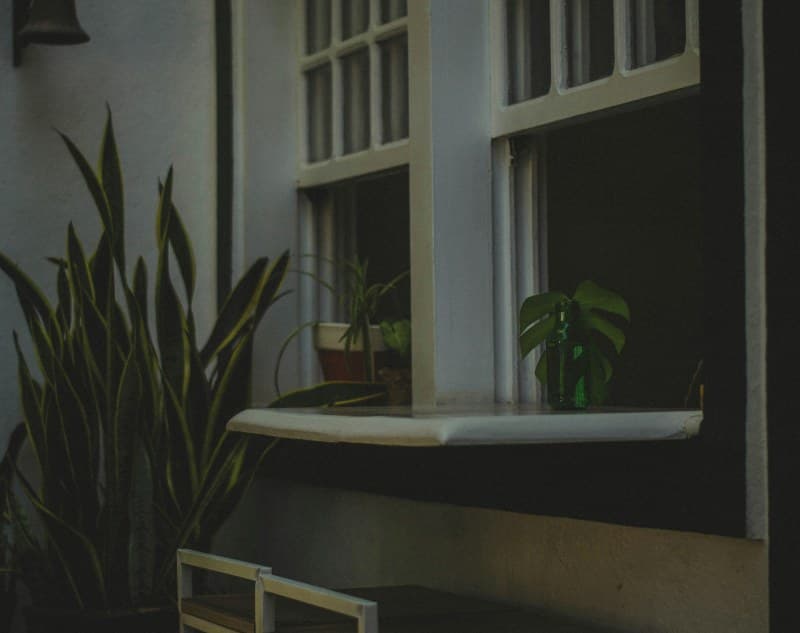
Last month, my friend Sarah brought home a lush snake plant, convinced it needed to soak up as much sun as possible. She placed it on her south-facing windowsill, where it got 8 hours of direct sunlight daily. A week later, the leaves turned yellow and crispy—she thought she had a brown thumb, but the real issue was a common myth: that all houseplants need direct sunlight.
The Truth About Houseplant Light Needs
Plants evolved in diverse environments, from sun-drenched deserts to shaded forest floors. This means their light requirements vary wildly. For example, cacti thrive in intense direct sun, while pothos prefer soft, indirect light. Understanding these differences is key to keeping your plants healthy.
To help you match your plants to the right light, here’s a quick comparison of common light types and which plants thrive in each:
| Light Type | Description | Best Plants |
|---|---|---|
| Direct Sun | 6+ hours of unfiltered sunlight (e.g., south-facing window) | Cacti, succulents, jade plants, rosemary |
| Indirect Sun | Bright light without direct rays (e.g., east-facing window or filtered south-facing) | Pothos, snake plant, ZZ plant, peace lily |
| Low Light | Dim light (e.g., north-facing window or far from windows) | Cast iron plant, spider plant, philodendron, Chinese evergreen |
"Nature does not hurry, yet everything is accomplished." — Lao Tzu
This rings true for plant care: taking the time to understand your plant’s light needs (instead of rushing to give it too much sun) will help it thrive.
6 Light-Related Myths Debunked
1. Myth: All houseplants need direct sunlight
Truth: Most common houseplants (like snake plants and pothos) are native to forest understories, where they get filtered light. Direct sun can burn their leaves.
2. Myth: Low-light plants can survive in complete darkness
Truth: No plant can live without light—they need it for photosynthesis. Low-light plants just need less light than others (e.g., cast iron plants can handle dim corners, but not a closet).
3. Myth: South-facing windows are the best for all plants
Truth: South-facing windows have the most intense sunlight. They’re great for cacti, but bad for shade-loving plants like peace lilies, which will get sunburned.
4. Myth: Artificial light can’t replace natural light
Truth: LED grow lights are a great alternative for plants that don’t get enough natural light. They provide the right spectrum of light for photosynthesis.
5. Myth: You can move a plant from low light to direct sun immediately
Truth: Plants need to acclimate to new light conditions. Move them gradually (e.g., 1 hour of direct sun a day for a week) to avoid stress.
6. Myth: More light equals faster growth
Truth: Too much light can stress plants, leading to slow growth or leaf damage. Each plant has an optimal light level—beyond that, growth slows.
Quick Q&A
Q: My plant’s leaves are turning yellow with brown edges—what does that mean?
A: That’s a classic sign of sunburn. Move your plant to a spot with indirect light and trim the damaged leaves. It should recover in a few weeks.
Practical Tips to Check Light in Your Home
- Shadow test: Hold your hand up to the light. If the shadow is sharp, it’s direct sun; soft, indirect; no shadow, low light.
- Light meter app: Use apps like Light Meter (iOS) or Lux Meter (Android) to measure light intensity. Most houseplants need 100–1000 lux (low to indirect light).
By debunking these myths and understanding your plant’s light needs, you can keep your indoor garden thriving—no green thumb required!