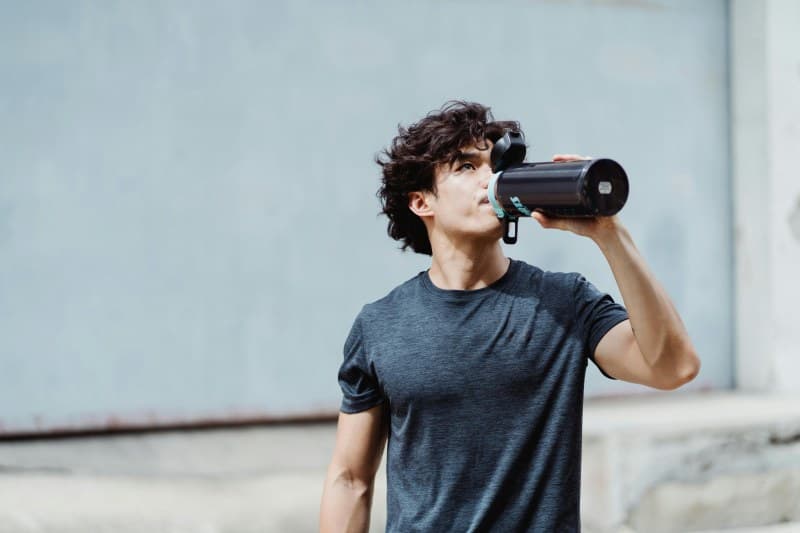
Sarah laced up her sneakers for her usual 30-minute neighborhood jog. She’d skipped her morning water glass, thinking it was just a short run. Halfway through, her legs felt heavy, and she had to stop to catch her breath. Sound familiar? Hydration isn’t just for marathon runners—it’s key for anyone who moves, even casually. Let’s break down how it works, debunk common myths, and get you set up to stay hydrated right.
Why Hydration Matters for Casual Exercise
Our bodies are 60% water, and every cell relies on it to function. When we exercise—whether it’s a yoga flow, a game of pickleball, or a brisk walk—we lose water through sweat. Even mild dehydration (1-2% of body weight) can slow you down, make you feel tired, or cause muscle cramps. For casual workouts, staying hydrated helps you keep going longer and recover faster.
"Water is the driving force of all nature." — Leonardo da Vinci
This quote isn’t just about rivers or plants—it applies to our bodies too. Water fuels our muscles, regulates body temperature, and carries nutrients to where they’re needed most, especially when we’re active.
5 Common Hydration Myths Debunked
Myth 1: You only need to drink when you’re thirsty
Thirst is a late sign of dehydration. By the time you feel parched, you’re already 1-2% dehydrated. For casual exercise, sip water before, during, and after to stay ahead of the curve.
Myth 2: Sports drinks are necessary for all workouts
Sports drinks have electrolytes and sugar, which are great for long, intense sessions (over 60 minutes). But for short, casual workouts (under 30 minutes), plain water is usually enough—no need for extra sugar.
Myth 3: More water is always better
Overhydration can lead to hyponatremia (low sodium levels), which is dangerous. Stick to a balanced amount: listen to your body, but don’t chug gallons of water in one go.
Myth 4: Coffee dehydrates you too much to drink before exercise
Moderate coffee (1-2 cups) doesn’t cause significant dehydration for most people. In fact, it can boost performance slightly. Just pair it with a glass of water to offset any mild diuretic effect.
Myth 5: Coconut water is better than sports drinks
Coconut water has electrolytes (especially potassium), but it’s lower in sodium than most sports drinks. For casual workouts, it’s a fine choice, but don’t rely on it for long, sweaty sessions where sodium loss is high.
Hydration Sources: Which Is Right for You?
Let’s compare common hydration options to help you pick the best one for your casual workout:
| Source | Electrolytes | Sugar Content | Cost | Best For |
|---|---|---|---|---|
| Plain Water | Low | 0g | Low (free from tap) | Short workouts (under 30 mins) |
| Sports Drinks | High (sodium, potassium) | 10-15g per serving | Medium | Longer workouts (over 60 mins) or hot weather |
| Coconut Water | Medium (potassium) | 5-8g per serving | High | Post-workout recovery or mild dehydration |
| Fruit-Infused Water | Low | 1-3g (from fruit) | Medium (cost of fruit) | Adding flavor to encourage drinking |
How to Track Your Hydration Needs
A simple way to check your hydration status: look at your urine color. If it’s pale yellow (like lemonade), you’re hydrated. If it’s dark yellow (like apple juice), you need to drink more.
For casual exercise, follow these quick tips:
- Drink 1-2 cups of water 30 minutes before your workout.
- Sip ½ cup every 15-20 minutes during your workout (if it’s longer than 20 mins).
- Drink 1-2 cups after to replace lost fluids.
Quick Q&A: Common Hydration Question
Q: I only walk for 20 minutes a day—do I really need to hydrate?
A: Yes! Even short walks can cause mild fluid loss, especially if it’s warm outside. Sipping a small glass of water before or after your walk helps keep your energy levels steady and prevents dehydration-related fatigue. No need for fancy drinks—plain water works perfectly.