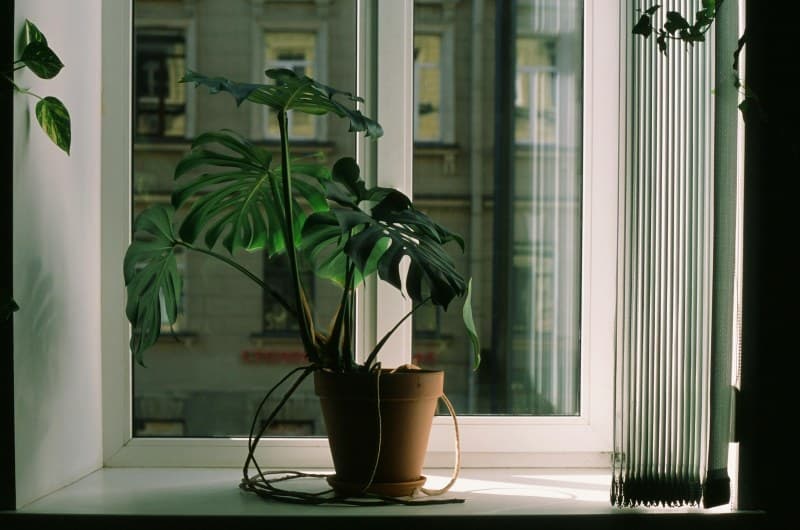
Let’s start with a relatable story: My friend Mia has a tabby cat named Luna and a windowsill full of succulents. She recently saw a social media post claiming all houseplants are toxic to cats, so she was ready to give away her beloved plants. But after a little research, she found out that’s not the whole truth. So, is every houseplant a danger to your feline friend? Let’s dive in.
The Truth About Houseplants and Cats
First, the big reveal: Not all houseplants are toxic to cats. In fact, many are completely safe, and some even offer small health benefits (like air purification). The key is knowing which ones to pick and how to keep your cat away from the risky ones.
To help you tell the difference, here’s a quick comparison of safe and toxic plants:
| Safe Plants for Cats | Why They’re Safe | Toxic Plants for Cats | Why They’re Toxic |
|---|---|---|---|
| Spider Plant | No known toxic compounds; cats often enjoy playing with its leaves (though overeating can cause mild upset). | Aloe Vera | Contains saponins that cause vomiting, diarrhea, and lethargy. |
| African Violet | Non-toxic; its colorful flowers add beauty without risk. | Pothos | Has calcium oxalate crystals that irritate the mouth and digestive tract. |
| Cat Grass | Specifically grown for cats; helps with digestion and satisfies their urge to chew. | Lily (all types) | Extremely toxic—even a small bite can lead to kidney failure. |
4 Common Myths Debunked
Myth 1: All succulents are safe for cats
Succulents are trendy, but not all are cat-friendly. Aloe vera (a succulent) is toxic, as are jade plants and euphorbias. Stick to safe succulents like haworthia or burro’s tail.
Myth 2: Non-toxic plants are okay to eat in large amounts
Even safe plants can cause problems if your cat chows down too much. For example, spider plant leaves might lead to vomiting or diarrhea if eaten in excess. Offer cat grass as a healthy alternative to satisfy their chewing habit.
Myth 3: Hanging plants are 100% cat-proof
Cats are natural climbers and jumpers. A hanging pothos might seem out of reach, but a determined cat can leap onto a shelf or use furniture to get to it. Use ceiling hooks that are high enough or place plants in rooms your cat doesn’t access.
Myth 4: Indoor plants are less risky than outdoor ones
Many common indoor plants (like pothos, philodendron, and lilies) are more toxic than some outdoor plants. Don’t assume indoor plants are safer—always check the toxicity before bringing a new plant home.
“A home without a cat is just a house.” — Unknown
This quote reminds us that our pets are part of our family. Making our homes safe for them means being mindful of the plants we choose, so we can enjoy both greenery and our feline friends.
Practical Tips for Coexisting
- Place toxic plants in closed cabinets or rooms your cat can’t enter.
- Use citrus sprays (cats dislike the smell) on plant leaves to deter chewing.
- Grow cat grass in a pot—this gives your cat something safe to chew on.
- Check the ASPCA’s Animal Poison Control Center list before buying a new plant.
FAQ: What If My Cat Eats a Toxic Plant?
Q: My cat ate a leaf from a plant I think is toxic—what should I do?
A: First, remove any remaining plant from their mouth. Next, look up the plant’s toxicity using a reliable source (like the ASPCA website). If your cat shows symptoms (vomiting, lethargy, difficulty breathing), call your vet immediately. Have the plant’s name ready to help the vet diagnose and treat your cat quickly.
At the end of the day, you don’t have to choose between your plants and your cat. With a little knowledge and planning, both can thrive in your home.