Last week, my neighbor refused to upgrade her phone because she heard 5G “cooks your brain.” She’s not alone—scroll through social media, and you’ll find dozens of posts warning about 5G’s supposed health risks. But is there any truth to these claims?
What Exactly Is 5G?
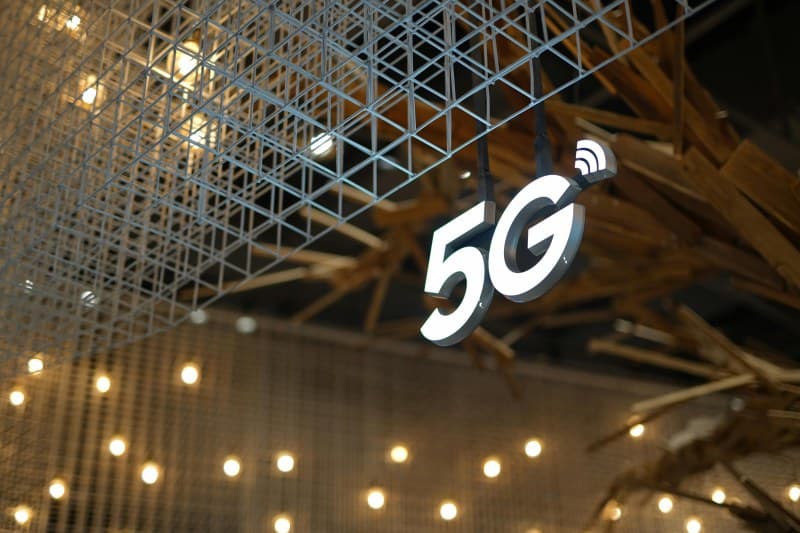
5G is the fifth generation of wireless technology, designed to be faster and more reliable than 4G. It uses a mix of frequency bands: some are similar to 4G (lower frequencies for long-range coverage) and some are new higher frequencies (for super-fast, short-range connections). Think of it as a highway—5G adds more lanes to handle more traffic, making things like streaming 4K videos or using self-driving cars smoother.
The Truth About 5G and Health
The World Health Organization (WHO) states there’s no conclusive evidence linking 5G to adverse health effects. 5G uses non-ionizing radiation—unlike X-rays or UV rays, which can damage DNA. Non-ionizing radiation doesn’t have enough energy to break chemical bonds in cells. Global safety standards (set by groups like the FCC and WHO) limit 5G exposure to levels way below what’s considered harmful.
5 Common 5G Myths Debunked
Let’s break down the most persistent myths and their actual facts:
| Myth | Fact |
|---|---|
| 5G causes cancer | WHO says no conclusive evidence. Non-ionizing radiation can’t damage DNA, which is the main cause of cancer. |
| 5G spreads COVID-19 | This is a false conspiracy theory. COVID-19 is spread by respiratory droplets, not wireless signals. |
| 5G uses the same radiation as microwaves | Microwaves use high power to heat food. 5G uses low power, and exposure levels are far below safety limits. |
| 5G harms bees and wildlife | Studies by the EPA and EU show no evidence of harm to bees from 5G frequencies. |
| 5G will replace Wi-Fi | 5G is for wide-area coverage; Wi-Fi is better for home/office local networks (faster and more secure for close-range use). |
“All progress is born of doubt and inquiry.” — George Bernard Shaw
Shaw’s words ring true here. 5G is new, so it’s natural to question it. But inquiry should be based on science, not fear. For example, when 4G first launched, people worried it would cause headaches—now it’s part of our daily lives without issue.
FAQ: Should I Turn Off 5G On My Phone?
Q: I’m still worried—should I disable 5G on my phone to stay safe?
A: If you’re concerned, you can switch to 4G, but there’s no scientific reason to do so. 5G exposure levels are well within global safety standards. Disabling it might reduce your phone’s speed, but it won’t make you healthier. My friend Raj did this for a month, then switched back after realizing the myths were unfounded.
New tech always sparks fear, but 5G is no exception to the rule: science should guide our choices, not rumors. Next time you hear a 5G myth, take a minute to check reliable sources like WHO or FCC. After all, progress doesn’t have to be scary—if we know the facts.