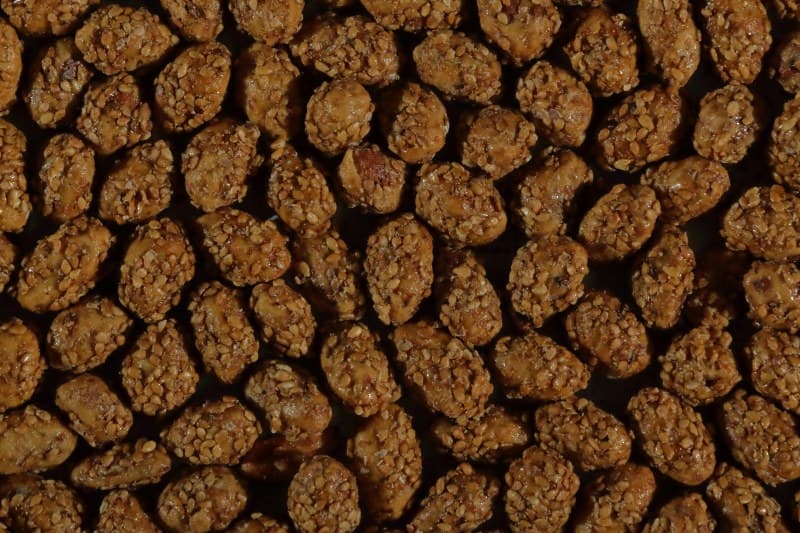
Last week, I tried making French onion soup for the first time. I cranked the stove to high, dumped in sliced onions, and walked away—only to come back to a pan of charred, bitter mess. I thought I was caramelizing, but I’d actually skipped the slow, low heat needed for true caramelization. That mistake made me dive into the science of browning: caramelization vs the Maillard reaction. Let’s break it down.
What Are Caramelization and Maillard Reaction?
First, let’s get the basics straight. Caramelization is the breakdown of sugars (like glucose or sucrose) when heated, no proteins needed. Think golden caramel sauce or slow-cooked onions. Maillard reaction is a chemical dance between amino acids (from proteins) and reducing sugars—think crispy bread crust, seared steak, or roasted veggies.
Key Differences at a Glance
Here’s a quick comparison to keep them straight:
| Aspect | Caramelization | Maillard Reaction |
|---|---|---|
| Reactants | Sugars only | Amino acids + reducing sugars |
| Start Temperature | ~320°F (160°C) | ~285°F (140°C) |
| Food Examples | Caramel sauce, caramelized onions, roasted sweet potatoes | Seared steak, bread crust, roasted chicken skin |
| Flavor Profile | Sweet, nutty, sometimes bitter (if overcooked) | Umami, savory, complex (roasted, toasty) |
7 Common Myths Debunked
- Myth 1: All browned food uses the Maillard reaction
Truth: No! Caramelization (like caramelized sugar) doesn’t involve proteins. If your dish is brown and sweet (without meat/protein), it’s probably caramelization. - Myth 2: Maillard only happens at super high heat
Truth: It starts at 285°F—lower than you think. Just make sure the food surface is dry (water boils at 212°F, which stops Maillard). - Myth 3: You can’t caramelize savory foods
Truth: Onions, garlic, and even mushrooms have natural sugars. Slow-cooking them low and slow brings out that sweet, golden caramelization. - Myth 4: Maillard reaction requires meat
Truth: Any food with amino acids and sugars works—think roasted broccoli (amino acids in veggies + natural sugars) or crispy toast. - Myth 5: Caramelization is always sweet
Truth: Overcook caramel, and it turns bitter (like my burnt onion soup). Stop when it’s golden, not dark brown. - Myth 6: Adding sugar speeds up Maillard
Truth: Maillard needs amino acids. Adding sugar alone will just caramelize—great for desserts, but not for searing steak. - Myth 7: Wet food can get Maillard
Truth: Pat meat/veggies dry with paper towels first. Wet surfaces steam instead of brown.
Why Browning Matters: A Chef’s Take
“Brown food tastes good. That’s a fact.” — Anthony Bourdain
Bourdain hit the nail on the head. Both reactions add depth and complexity to dishes that plain, un-browned food can’t match. A seared steak isn’t just cooked—it’s packed with umami from Maillard. Caramelized onions turn a simple soup into something rich and comforting.
Practical Tips to Master Both Reactions
For Caramelization 🍯
- Use low heat (medium-low to low) to avoid burning.
- Stir occasionally to ensure even browning.
- Be patient—onions take 20-30 minutes to caramelize properly.
For Maillard Reaction 🍳
- Dry the food surface thoroughly (paper towels are your friend).
- Use medium-high heat (don’t overcrowd the pan—leave space for browning).
- Don’t flip meat too early—let it develop a crust first.
FAQ: Your Burning Questions Answered
Q: Can both reactions happen at the same time?
A: Yes! For example, when roasting a turkey: the skin’s proteins and sugars do Maillard, while the natural sugars in the skin caramelize. That’s why roasted turkey skin is so crispy and flavorful.
Q: Is burnt food just overdone Maillard/caramelization?
A: Exactly. Beyond a certain point, both reactions produce bitter compounds (like acrylamides in some cases). So stop browning when it’s golden, not black.
Final Thoughts
Next time you cook, take a moment to notice which reaction you’re using. Are you caramelizing veggies for a stir-fry, or searing meat for Maillard? Understanding these basics will help you avoid mistakes (like my burnt onion soup) and make your dishes taste better. As Bourdain said—brown food tastes good. So go ahead, experiment, and enjoy the process!